
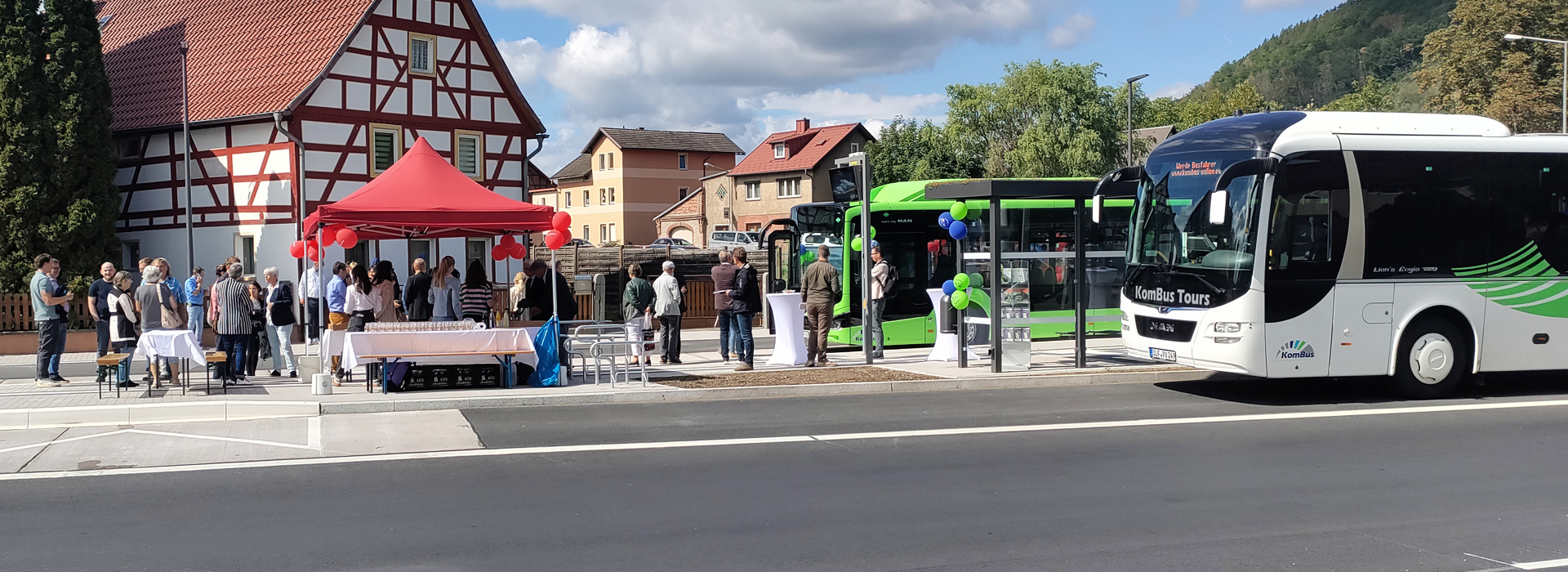
A rendezvous in Schwarza.
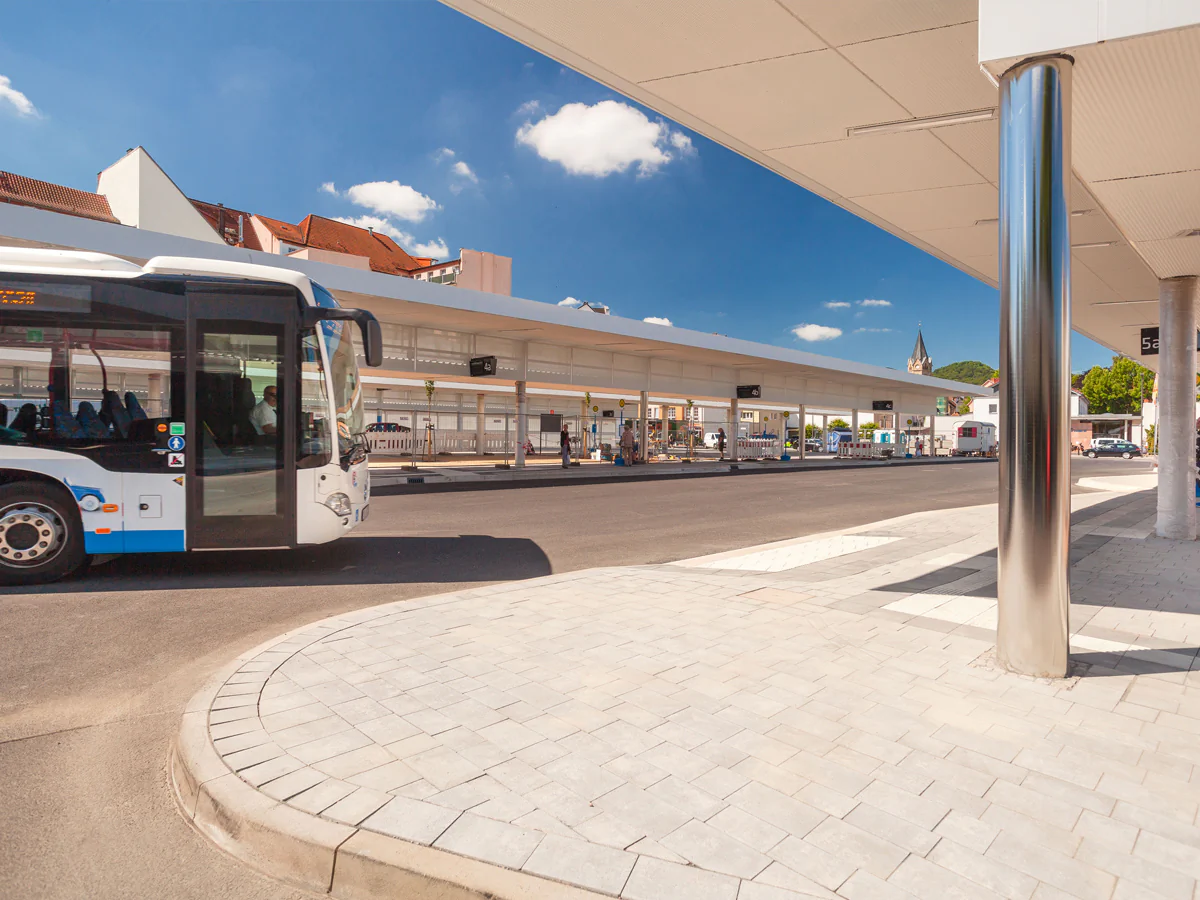
In East Thuringia, a new bus stop provides the prerequisite for the regular meeting of two bus routes. This is the foundation and beacon for better accessibility in rural areas.
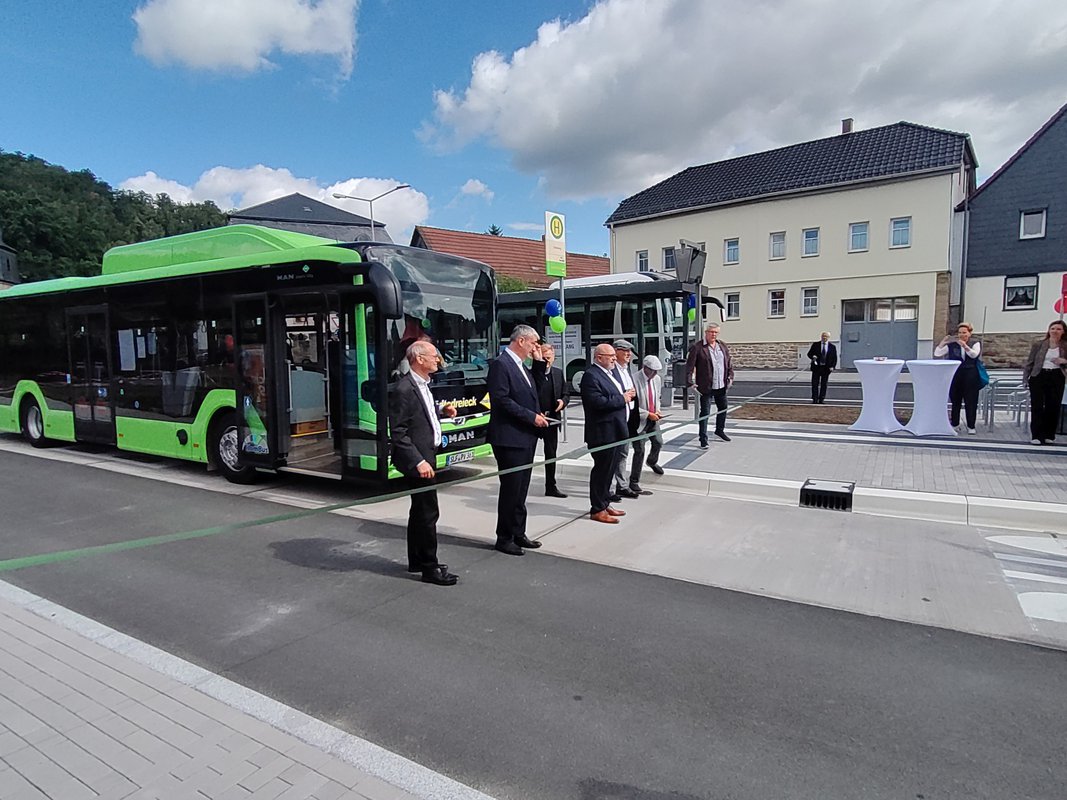
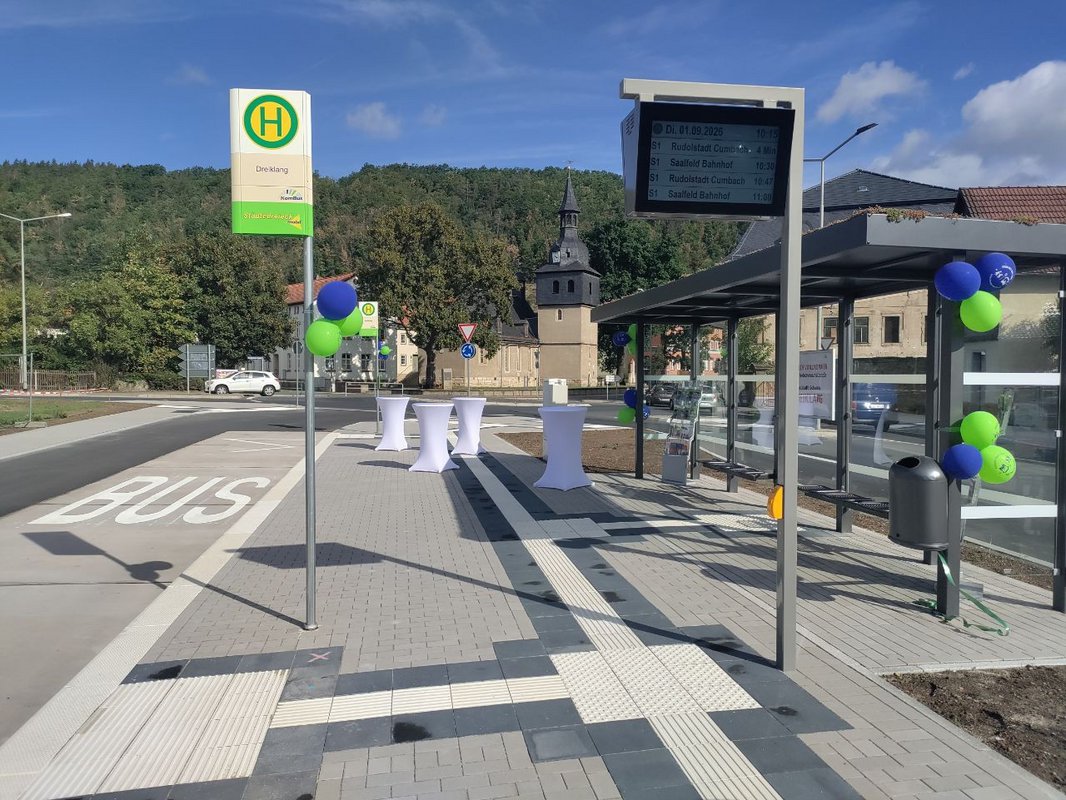
Whether people will also meet at this stop in the future for a first date, we do not know. However, what we can say with certainty: Since September 1, the successful renovation of the bus stop in Rudolstadt-Schwarza has created the accessible framework so that at least two buses can meet there for a rendezvous in the future.
Exactly this seemingly minor side note is the decisive prerequisite for better mobile accessibility with an appropriate frequency in the city triangle of Saalfeld-Rudolstadt-Bad Blankenburg as well as throughout the entire district.
That's what's behind it.
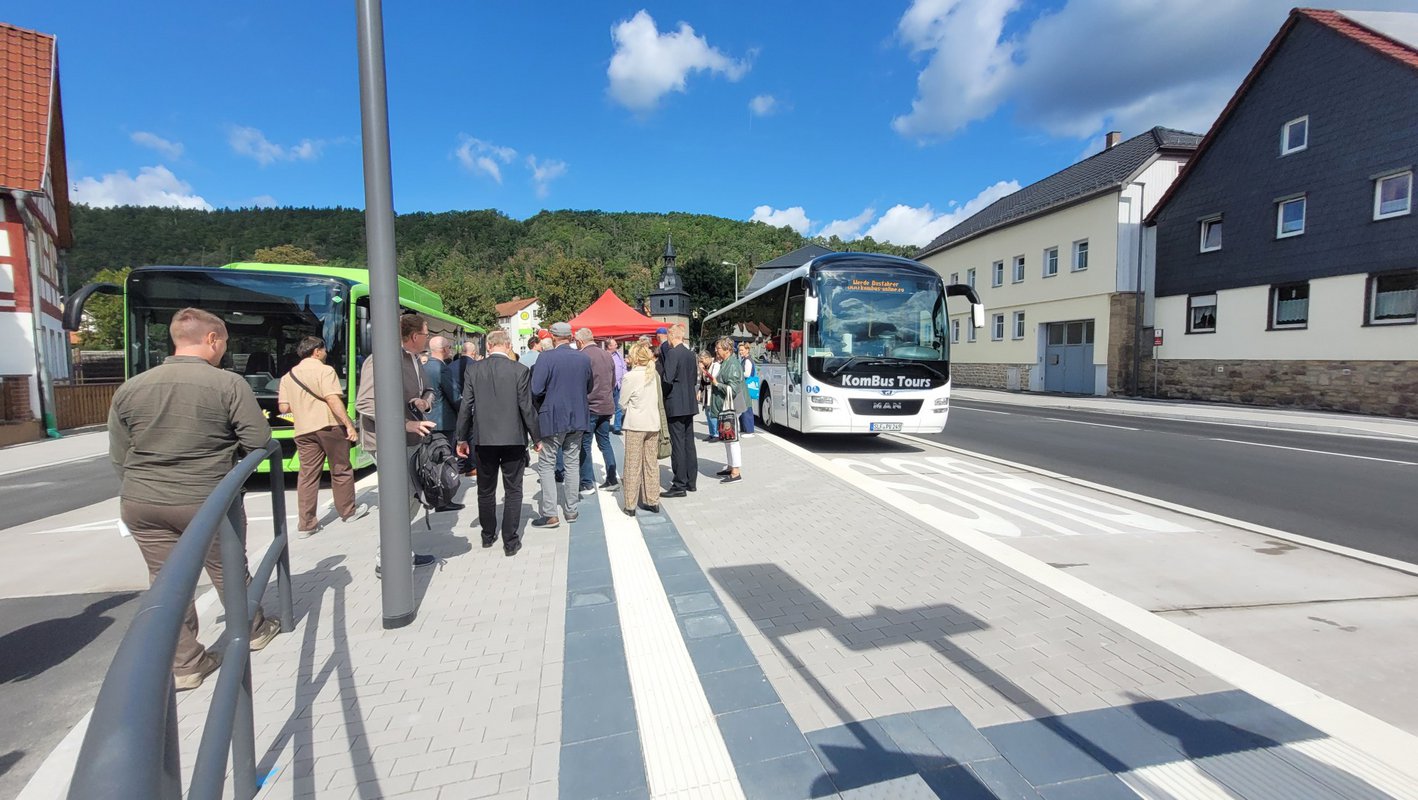
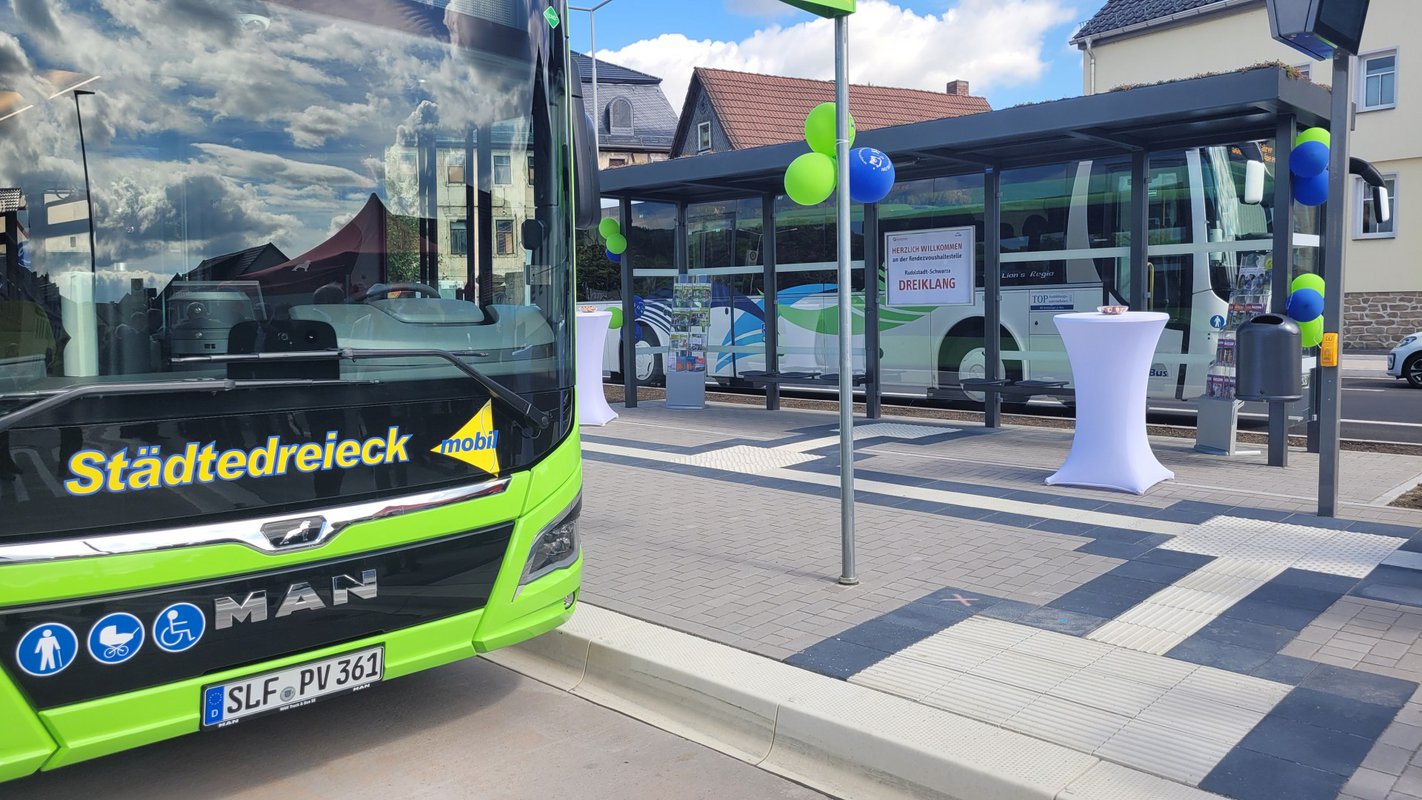
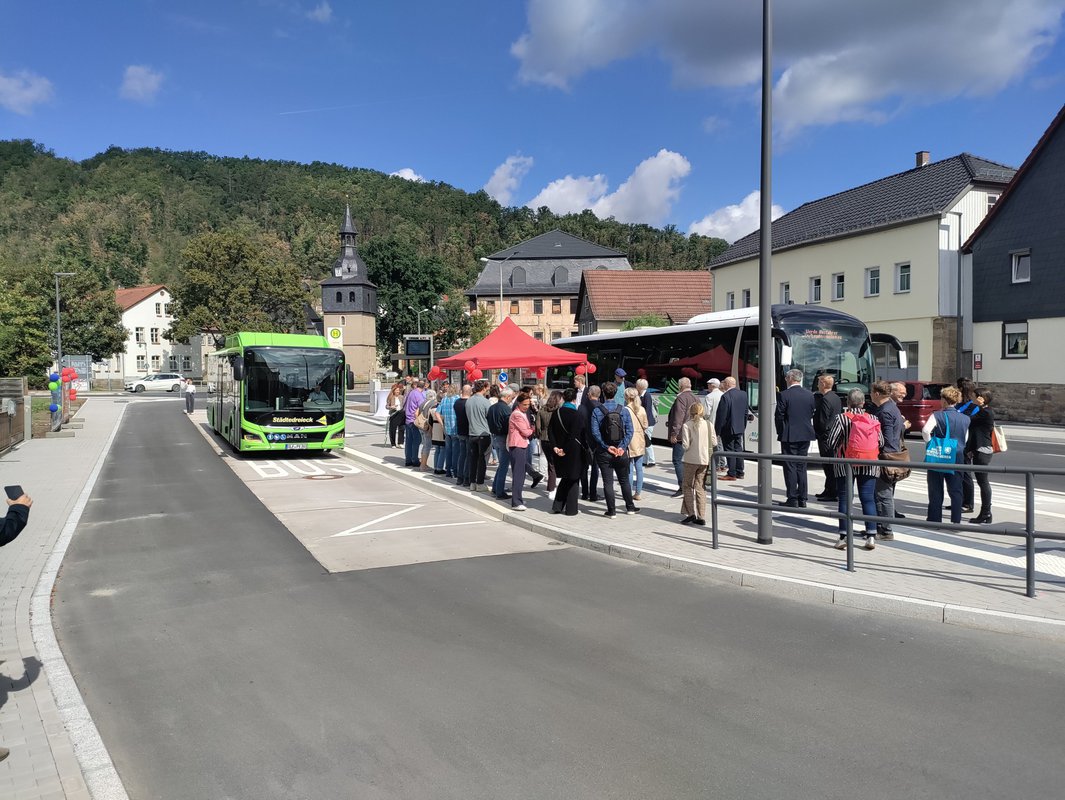
With the conversion of the stop on Saalfelder Straße in Schwarza, there has been enough space since September for buses of different routes to meet at the same time. Passengers from different directions thus have the opportunity to change from one line to another without waiting more than 15 minutes. This brings two advantages with regard to frequency and accessibility in the district: On the one hand, the range for public transport users increases, and more destinations can be reached in a certain time. On the other hand, the coordinated rendezvous of two buses creates a tighter frequency, waiting times are thus shortened or eliminated completely – public transport users thus reach their destination faster.
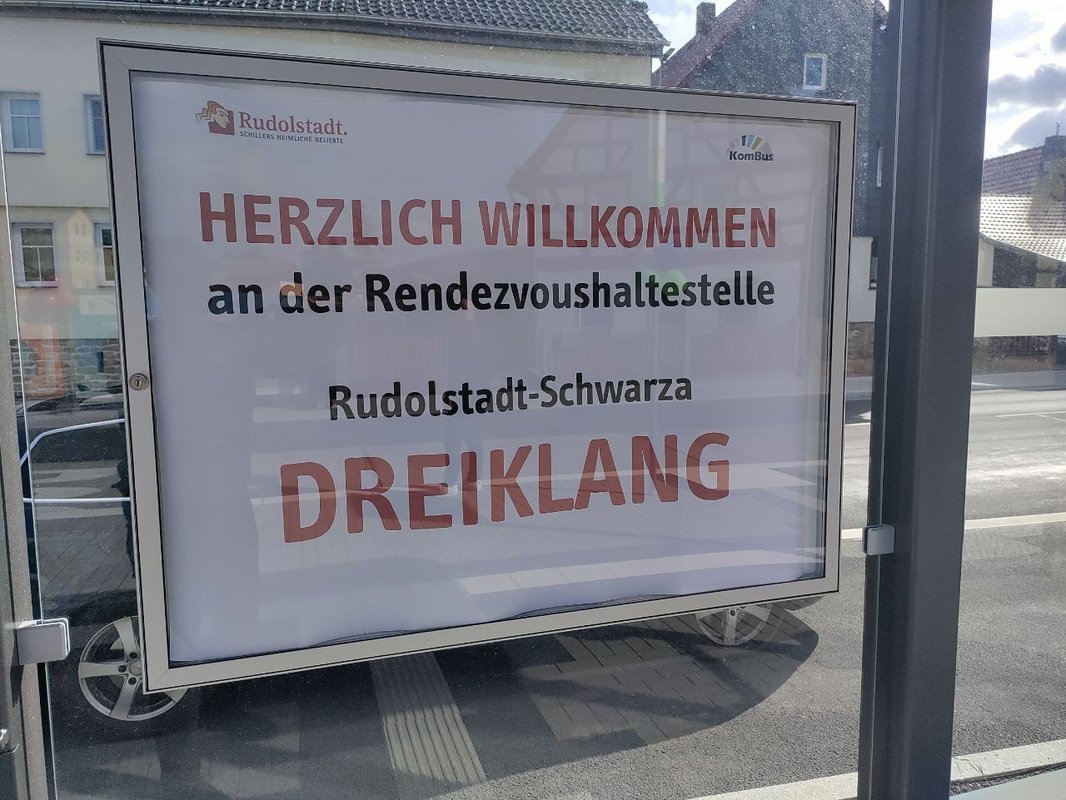
With the Rendezvous stop Dreiklang, we are not simply opening a new bus stop. We are creating a modern and barrier-free transport hub that will connect Rudolstadt, Saalfeld, and Bad Blankenburg even more closely in the future, thus making an important piece of mobility of the future a reality in the city triangle.
The conversion of the "Dreiklang" stop in Rudolstadt-Schwarza exemplifies how infrastructure measures of this kind create the basis for greater accessibility. It is thus also an important component in the realization of the Integrated Timetable (ITF). As LEG Thüringen , we have been developing this together with our experts in urban and regional development and other partners and specialists on behalf of the Thuringian Ministry of Infrastructure since 2011. Since then, the ITF has recorded how dense the network of routes in Thuringia is, especially in selected model regions, and how the connections can be intelligently used in terms of frequency and transfer options to improve accessibility for the people of Thuringia, particularly in rural areas.
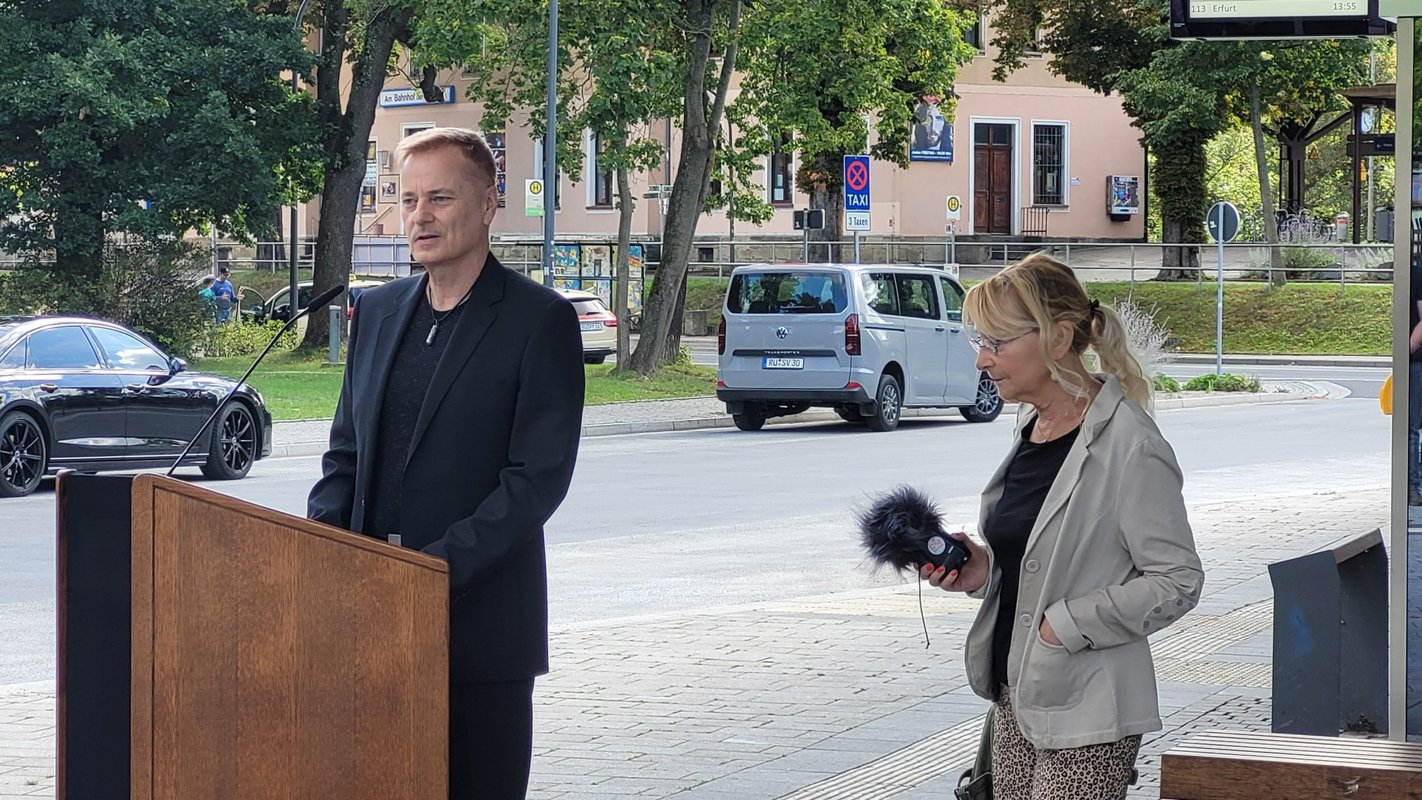
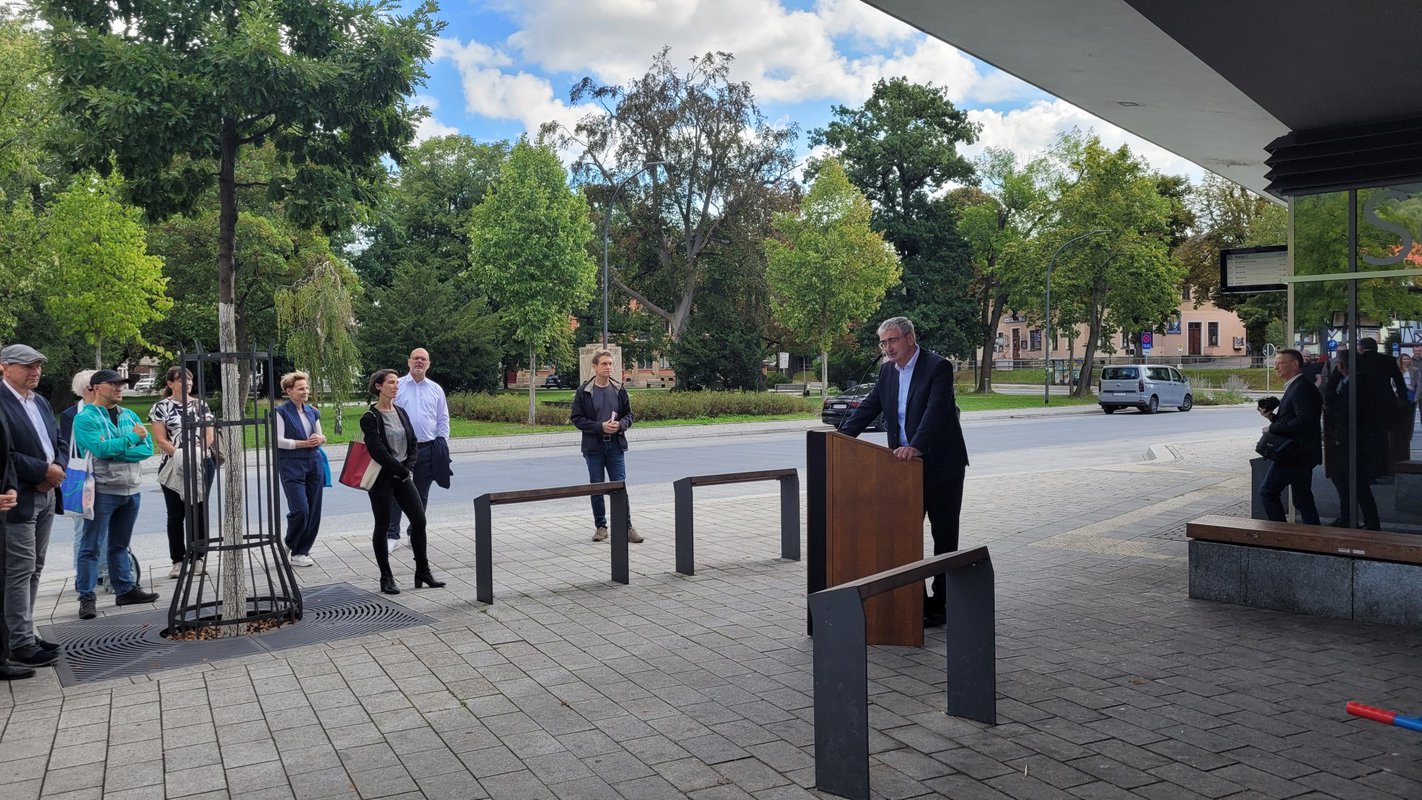
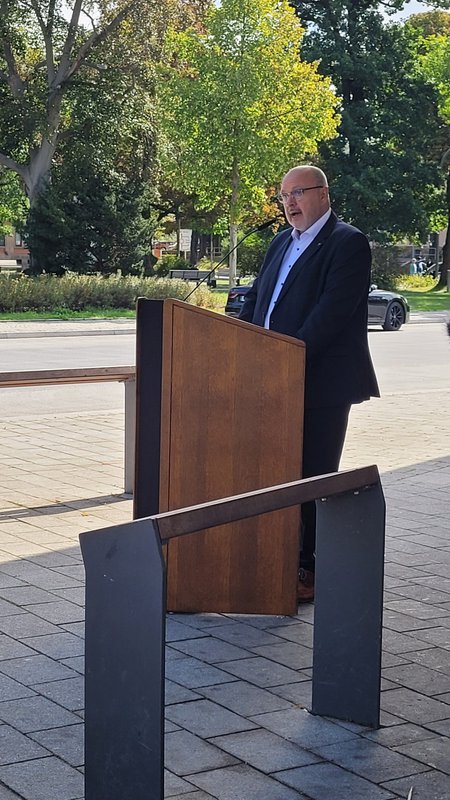
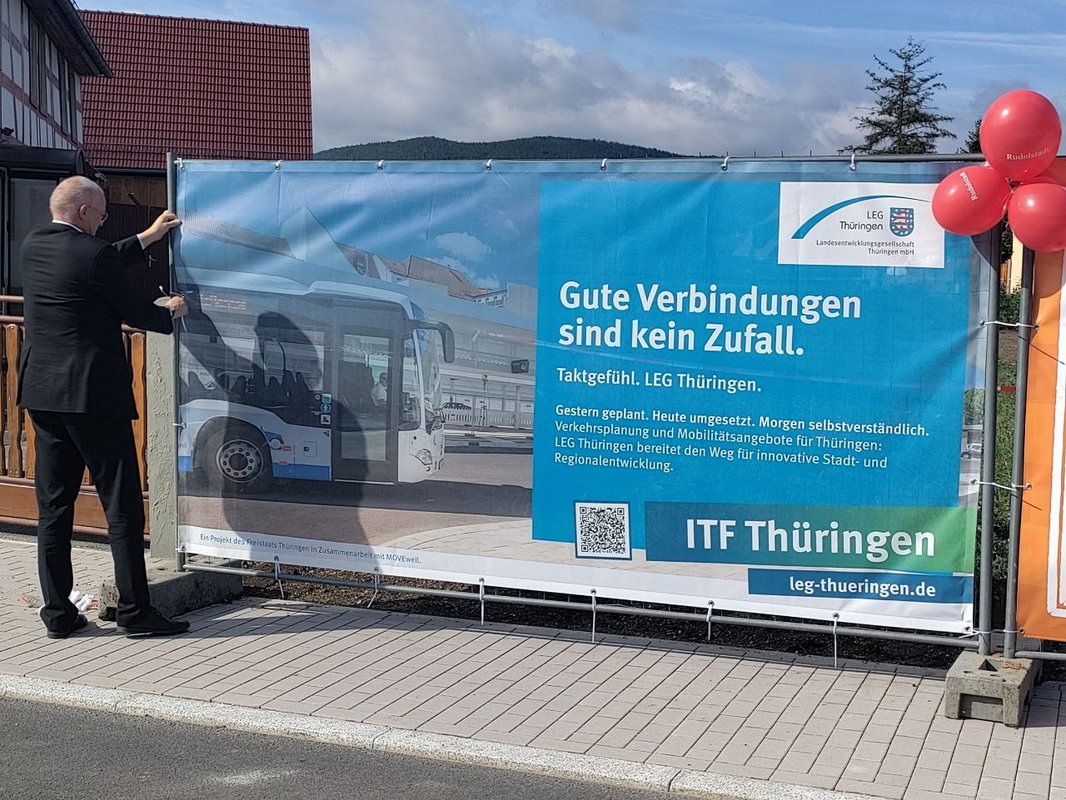
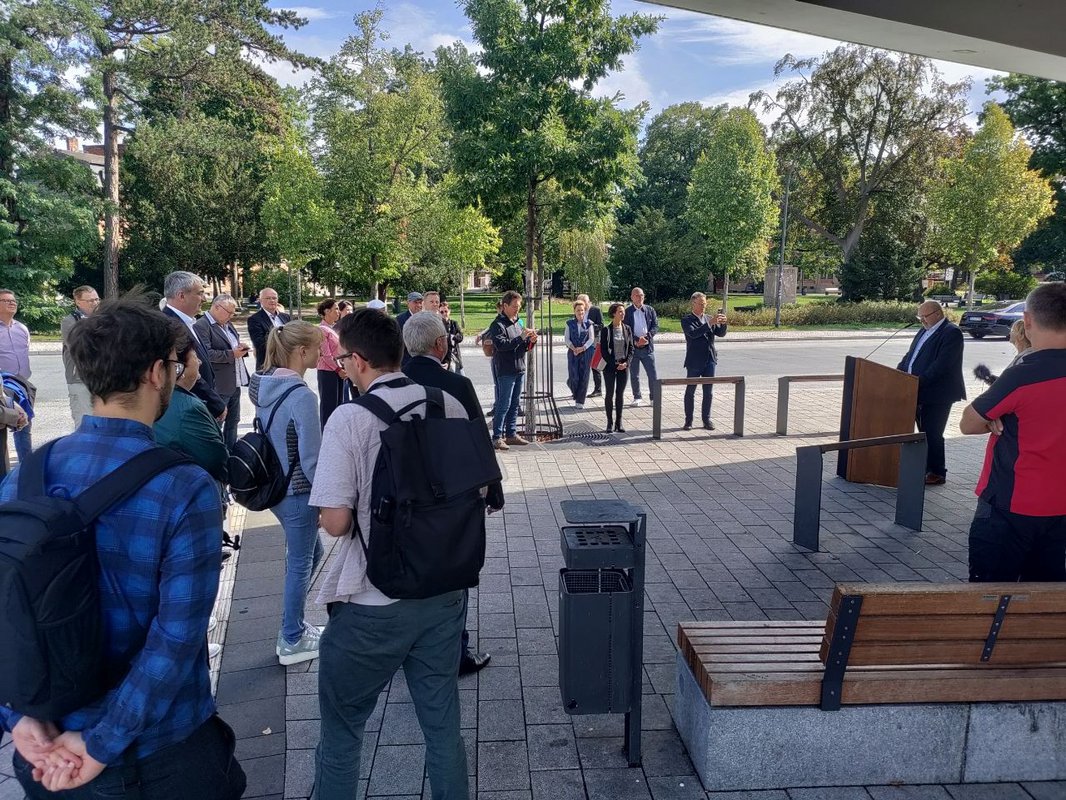
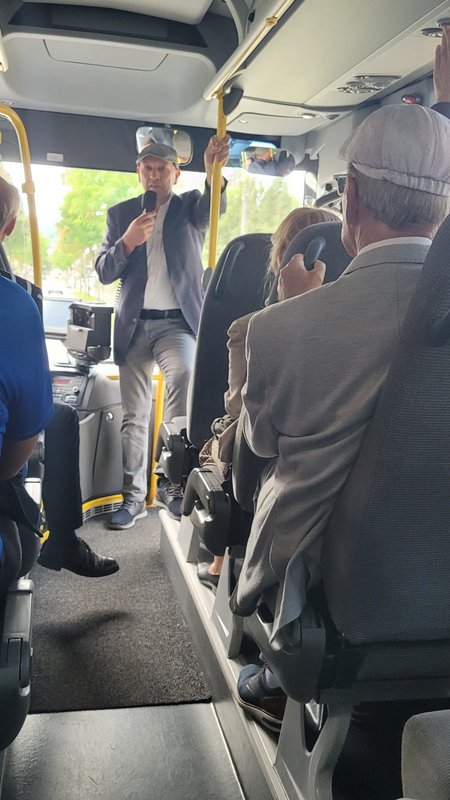
Impressions Opening of the Rendezvous stop on September 1, 2026

Comments
no comments available
Write a comment
Author