
Sustainable and energy-efficient integrated heating/cooling systems
Published: November 2025
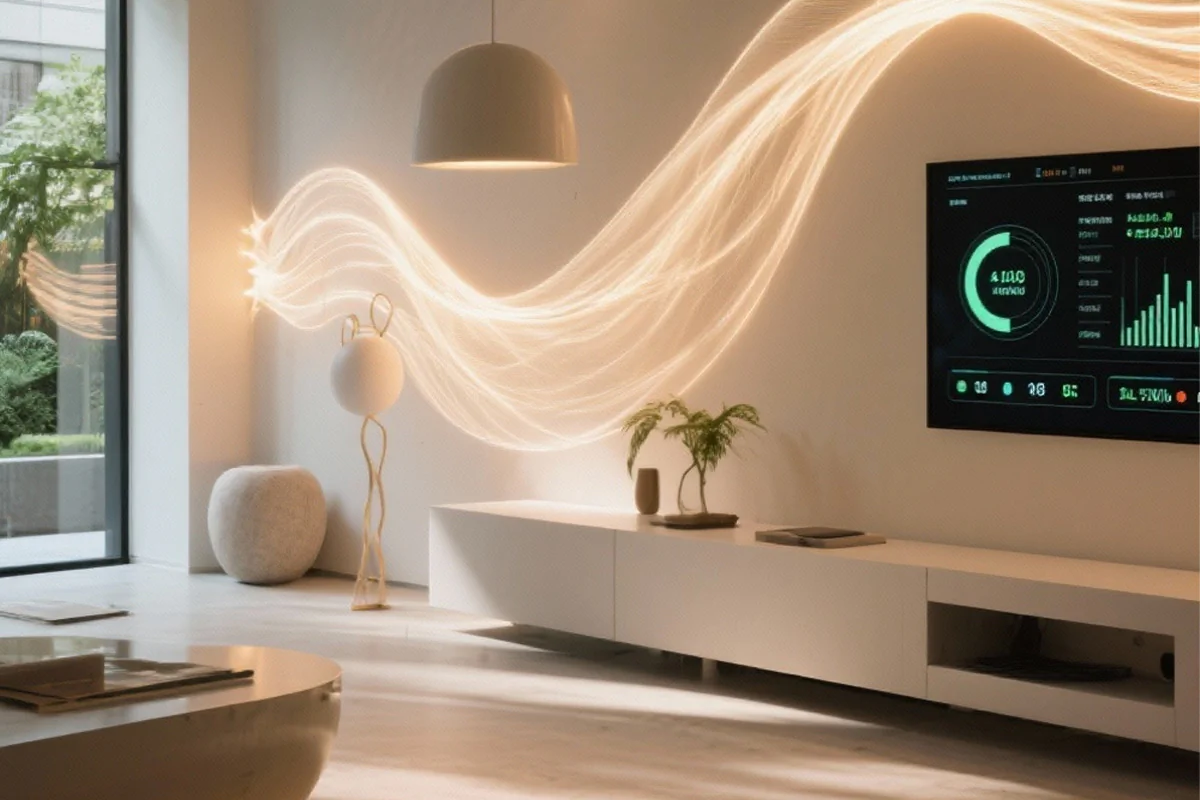
Innovative heating/cooling systems can significantly reduce energy consumption by intelligently utilizing natural energy sources such as earth, air, and sun. Systems like heat pumps, solar thermal energy in combination with absorption chillers, and geothermal installations enable environmentally friendly and efficient climate control that simultaneously provides heating and cooling. Furthermore, there are modern systems that precisely control room temperature by using technologies such as “Phase Change Materials” (PCM), which store heat and release it as needed. Integrated ventilation solutions also improve air quality by efficiently circulating fresh air while minimizing heat loss. Additionally, existing buildings can be retrofitted with these sustainable technologies, which improves energy efficiency and can significantly reduce CO₂ emissions even in existing structures.
Guiding questions
- What financial and political incentives could motivate building owners in Thuringia to invest in sustainable heating and cooling systems?
- How can societal acceptance of this topic be promoted in Thuringia?
- How can the long-term impact of sustainable heating/cooling systems be evaluated and optimized under changing climatic conditions?
- What cutting-edge R&D projects exist in this area in Thuringia?
Download
Sustainable and energy-efficient integrated heating/cooling systems
(Document is not barrier-free)
Sustainable and energy-efficient integrated heating/cooling systems
Your contacts