

Biotechnological innovations and genomics to improve quality of life
Published: November 2025
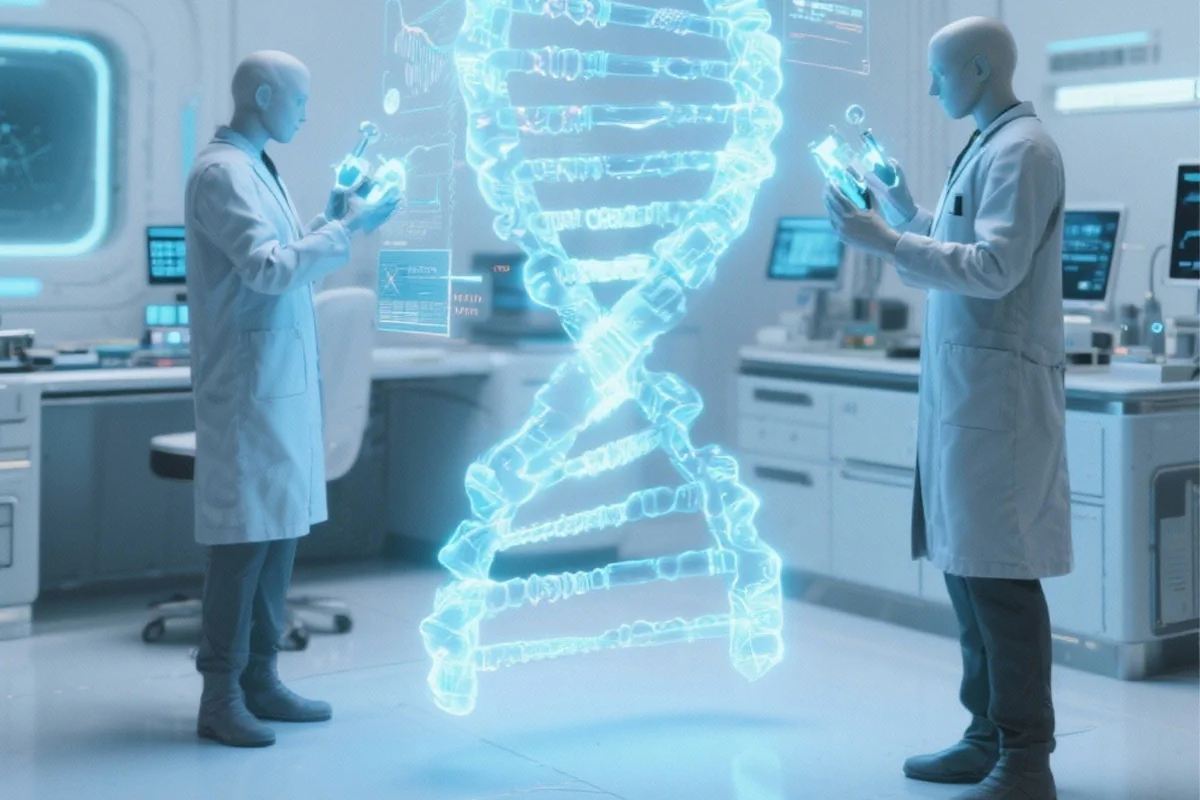
In modern biotechnology, particularly genomics, significant progress has been made in recent years. These advances can contribute to improving quality of life by utilizing advanced gene editing, molecular diagnostic tools, and nanotechnology to develop new treatment methods and preventive approaches. Genome-editing technologies (CRISPR/Cas9, Prime Editing) enable precise changes to the genetic material, which is promising for gene therapy applications as well as plant and animal breeding, and precision medicine allows therapies to be tailored exactly to individual genetic profiles. Through the exploration of genetic mechanisms, the use of big data, and the integration of innovative medical sensors, these technologies aim to better detect and treat diseases and promote overall health.
Guiding questions
- Which biotechnological innovations and genome-editing technologies will have the greatest impact on human health and quality of life?
- What regulatory frameworks are required to ensure the safe use of genome-editing technologies and prevent misuse?
- How can biotechnological developments be used to solve global environmental problems, such as reducing pesticides or developing climate-resistant plants?

Download
Biotechnological innovations and genomics
(Document is not barrier-free)
Biotechnological innovations and genomics
Your contacts