
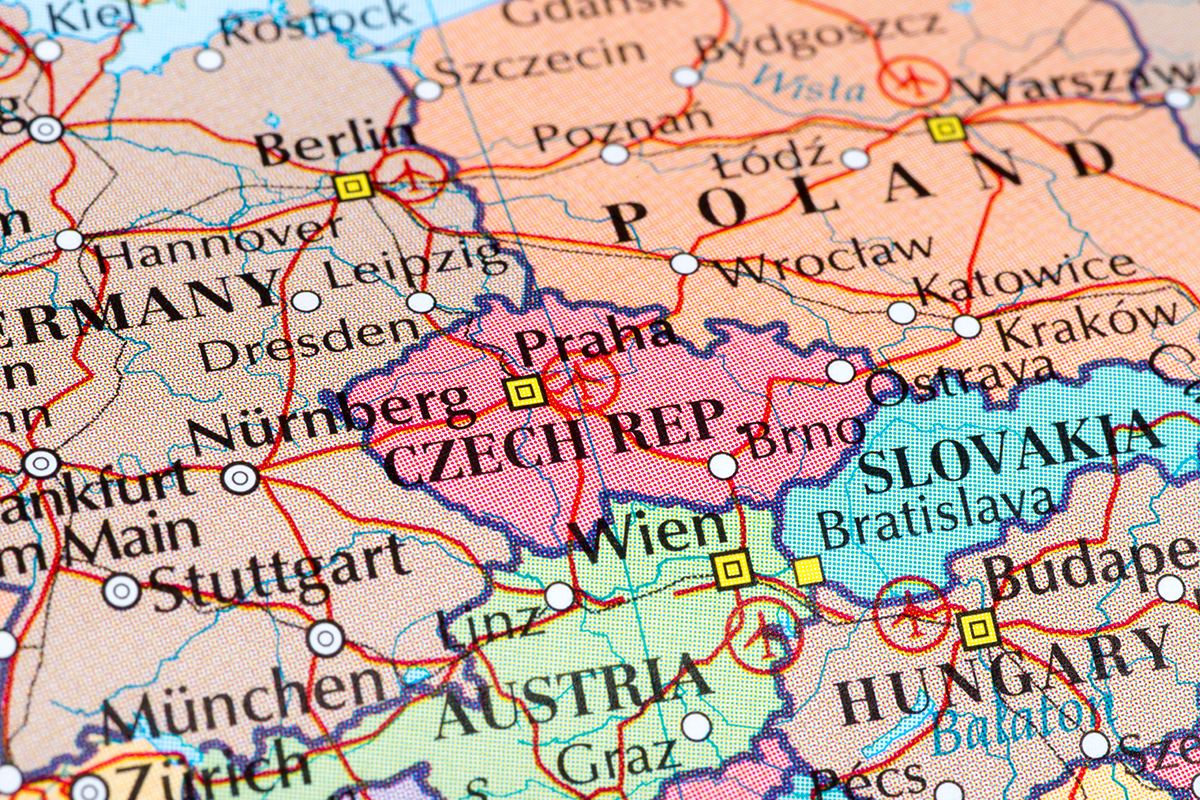
Central and Eastern Europe stands out for its approximately 284 million consumers and its significant role as a production location. This large region has long ceased to score points primarily with its pure labor costs; rather, its strong innovative strength has now become the key locational advantage and at the same time a point of contact for growing business opportunities for Thuringian companies.
Poland serves as an example of this dynamic: Its economy has been characterized by very positive and dynamic development for years. GDP growth is now over 3 percent annually, making the country one of the growth engines in the EU. Poland has a strong industrial base; major cities such as Warsaw and Krakow have developed into centers in the fields of IT and modern technologies. The country now ranks second in Thuringian exports.
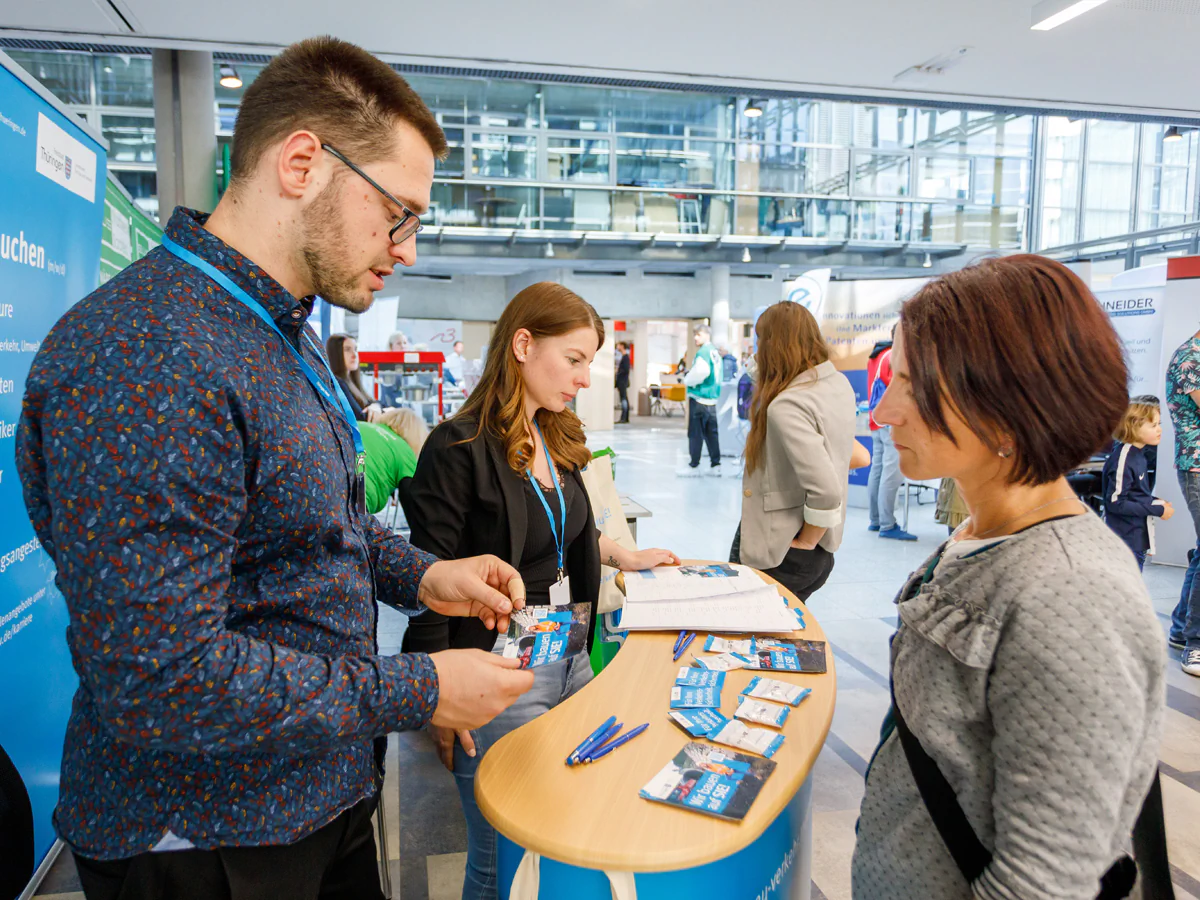
Representatives of Poland were in Thuringia on September 23, where they met with companies from the Free State. The occasion was the 35th anniversary of the "Weimar Triangle", which the foreign ministers of Germany, Poland and France established at the time – with the vision of a united, peaceful and solidarity-based Europe and a commitment to close cooperation among the three countries at the most diverse levels. The meeting on September 23 fit in harmoniously here: At the trade fair W3+ Fair in Jena, which, as a high-tech platform, focuses primarily on the key technologies of optics, photonics, electronics and mechanics, hosted delegation receptions for representatives from Poland and France and various B2B discussions between companies from all three countries. Afterwards, the participants visited Thuringian companies from the fields of optics and photonics.
Interesting projects are also planned for the future: For example, in February 2027, a delegation from Hungary will establish contacts with the local medical technology industry as part of company visits in Thuringia Contacte. As early as November of this year, under the leadership of Thuringian Minister-President Mario Voigt, a delegation trip to the Polish region of Małopolska which has long been a partner region of Thuringia. The aim of the trip is to develop new momentum for cooperation between Thuringia and Poland, to make innovation potential visible and to initiate joint projects. Participants are representatives from companies, institutions as well as science and research. The program includes discussions with decision-makers from business, science and politics as well as visits to companies, clusters, universities and research institutions.