

Thuringia as an innovation location: New solutions for infection diagnostics and the fight against antibiotic resistance
Thüringen has developed into a leading innovation hub for infection diagnostics, biophotonics, and infection research. Strong networks such as InfectoGnostics are driving the development of new solutions against the increasing spread of antibiotic resistance. An overview of technologies, collaborations, and infrastructure.
Infection Research and Biophotonics: Thuringia's Key to Modern Diagnostics
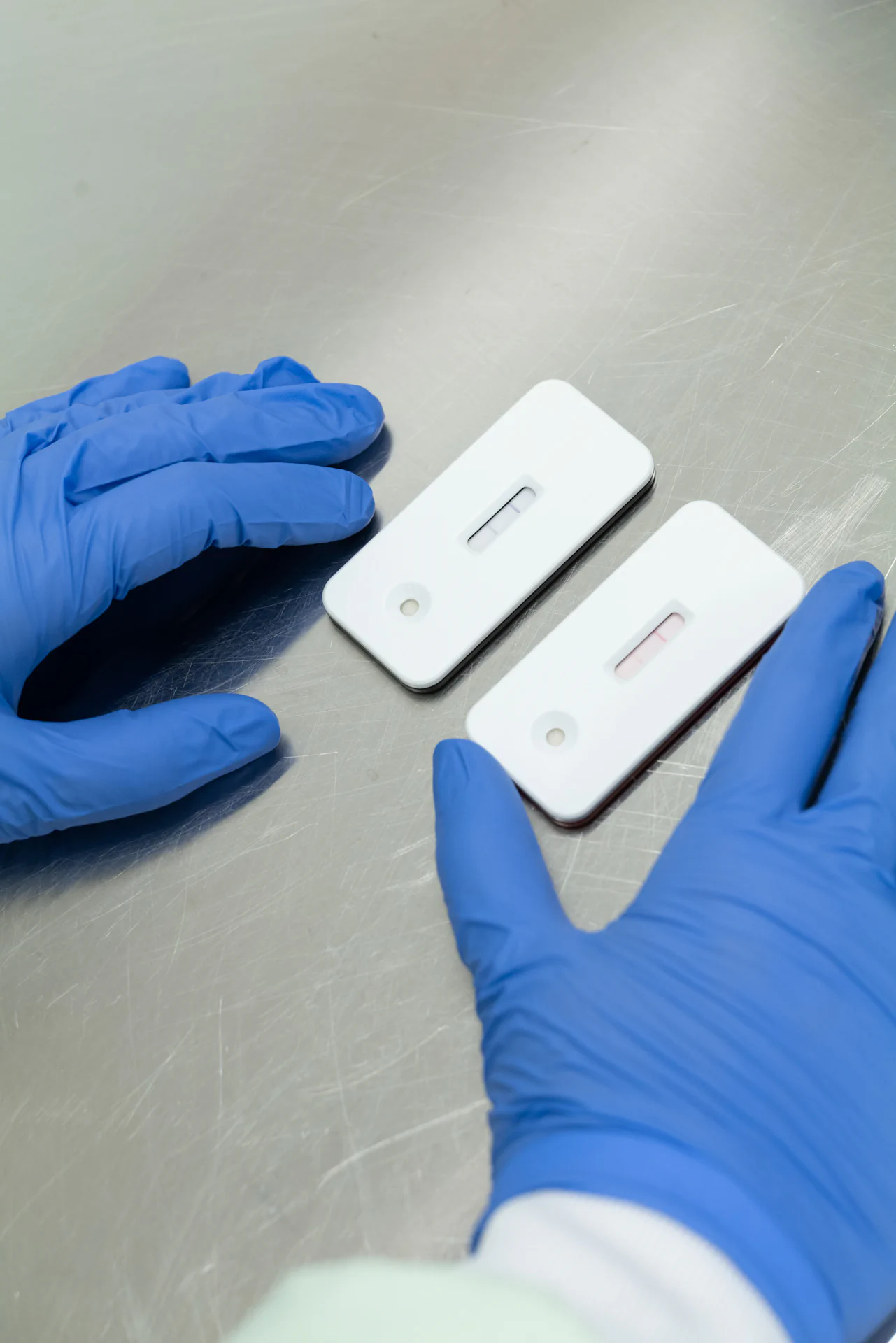
The increasing spread of antibiotic resistance is one of the greatest challenges in healthcare, as simple infections can suddenly become life-threatening. Rapid and precise infection diagnostics are therefore becoming increasingly important – both for effective therapy and for containing resistant pathogens. Rapid tests and modern analytical methods are thus gaining significant importance – especially those that can be used directly on site, i.e., at the “Point of Care”.
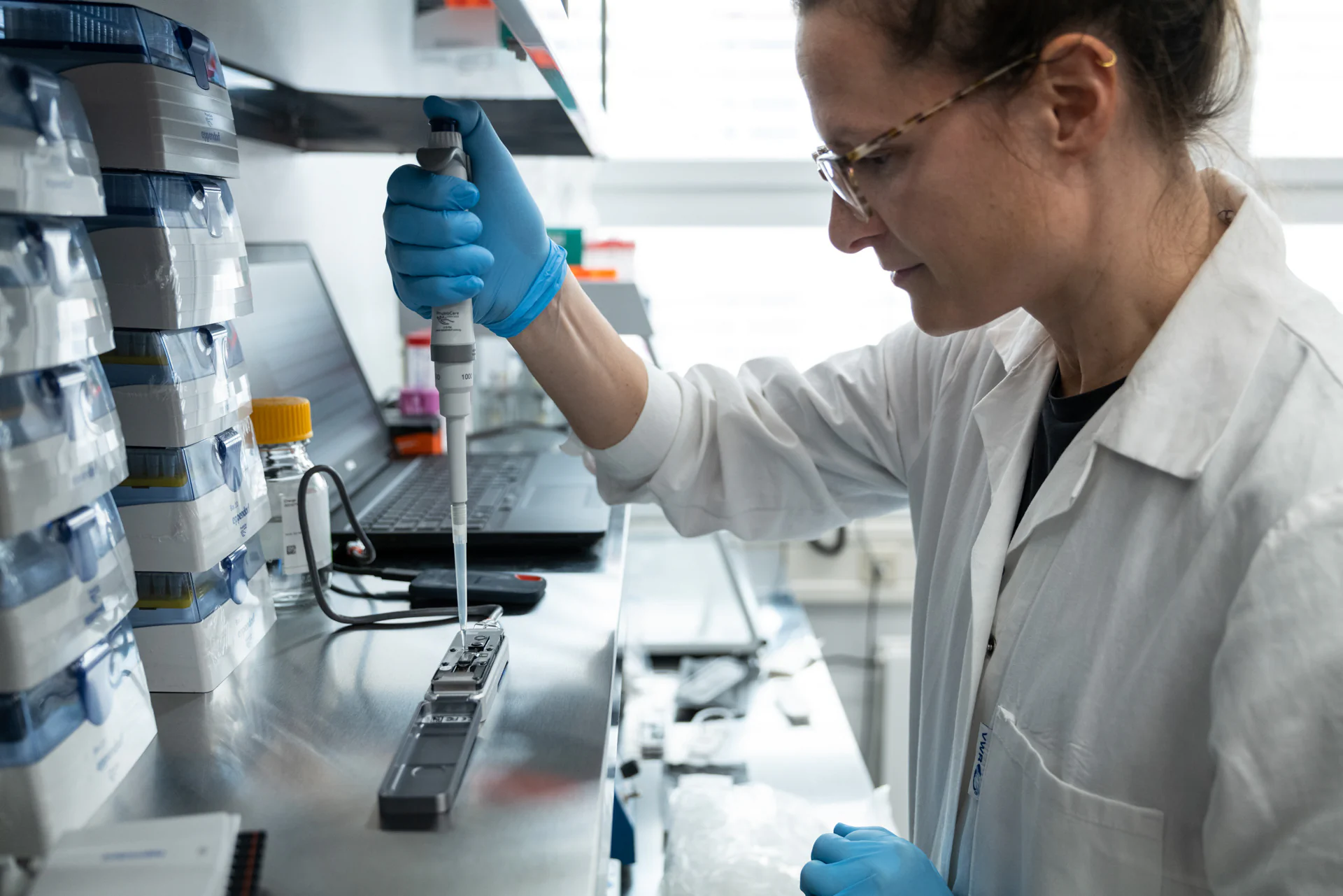
Thuringia brings together exactly the competencies and players that are crucial for this development. The Free State is an established location for infection research and biophotonics – i.e., light-based technologies. These enable new diagnostic procedures that are faster, more precise, and often less invasive than previous methods, and create the basis for point‑of‑care tests that can be used directly in clinics or nursing facilities. Moreover, thanks to the close integration of the diverse diagnostics and biotech industry in Thuringia, innovative procedures can not only be researched but also quickly brought to market maturity and implemented industrially.
InfectoGnostics: Cluster for Diagnostic Innovation in Thuringia
The InfectoGnostics innovation cluster plays a central role here. For over a decade, it has been networking partners from science, clinics, and industry, including Jena University Hospital and the Leibniz Institute for Photonic Technologies (IPHT), as well as companies such as Analytik Jena GmbH & Co. KG, BLINK AG, and Senova GmbH, to accelerate the transfer of diagnostic solutions into routine care. Small and medium-sized enterprises in particular benefit from this through:
the shared use of research equipment
Direct transfer points between research and development
Opportunities for validation and clinical testing
Diagnostics are conceived here along the value chain, and are networked with connections to adjacent areas such as databases/IT and device technology, with the goal of enabling collaborations throughout Thuringia and accelerating new product developments.
New funding phase: 8 million euros for diagnostics of the future
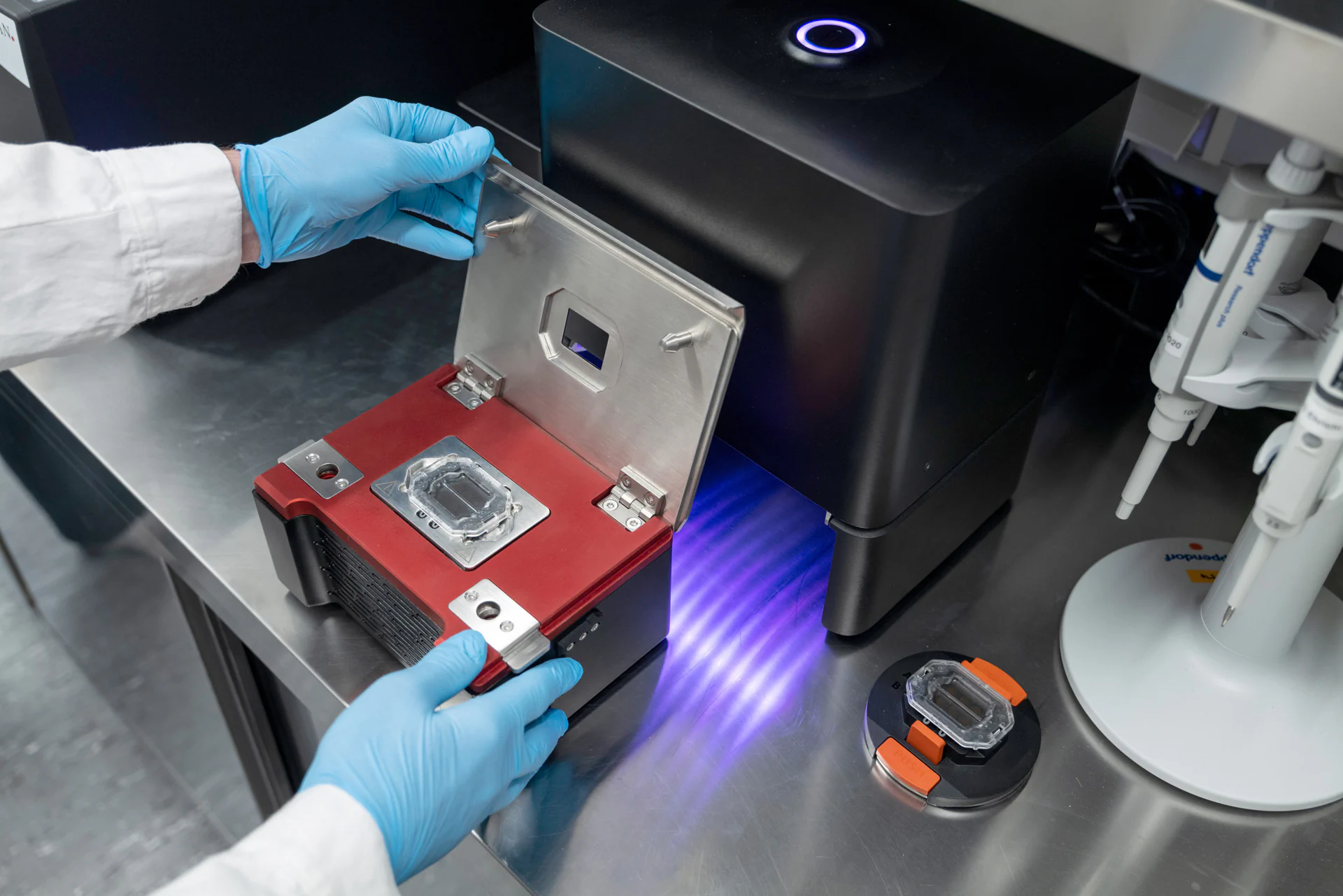
Since October 2025, InfectoGnostics has been in the third phase of the Research Campus Initiative. With around 8 million euros, seven new lead projects will be funded by the Federal Ministry for Research, Technology and Aerospace until 2029, dealing with modern technologies in infection diagnostics – from practical molecular rapid tests for use in Thuringian care facilities, through biophotonic approaches for determining the immune response, to point-of-care tests for inflammatory markers that could potentially also be used as home tests.
The 7th lead project TransDiag also supports the transfer into care through clinical needs analyses, study planning, and networking of developers and users – a direct advantage for companies that want to test and improve their solutions in practice.
New infrastructure strengthens the location
This development is strategically complemented by the establishment of the "Leibniz Center for Photonics in Infection Research" (LPI) in Jena. It is intended to further accelerate the path from application-oriented research to marketable products and to bundle biophotonic expertise at the location.
InfectoGnostics as an important biotech network for all of Thuringia
The InfectoGnostics innovation cluster is supported by the Free State as part of the Joint Task "Improvement of the Regional Economic Structure" (GRW) and works closely with Innovativ Thüringen for exchange with Thuringian partners as well as the expansion of sustainable network and cluster structures.
Through exchange formats, joint events and topic-specific networking, InfectoGnostics together with Innovativ Thüringen creates spaces where companies, research groups and clinical partners can meet and new collaborations can emerge.
At the same time, InfectoGnostics actively contributes to the design of the specialization field "Healthy Living and Health Industry" of the Regional Innovation Strategy (RIS) Thuringia and thus helps to ensure that the diverse diagnostic and biotech activities in the Free State are specifically linked together.
International Visibility: Thuringia at the AMR Conference Basel
Thuringia is also increasingly showcasing its expertise internationally. One example: participation in the AMR Conference Basel from March 3-4, 2026 – one of the most important European events on the topic of antibiotic resistance.
Together with Innovativ Thüringen, InfectoGnostics presents current research results and technologies there with its partner companies SMA Development GmbH, Dynamic42 GmbH and Applyo Jena GmbH.
Conclusion
Thuringia is far more than a classic research location. Solutions for one of the greatest medical challenges of our time are being developed here.
The close connection between photonics, molecular diagnostics, clinical expertise, and entrepreneurial implementation makes the Free State a visible innovation hub for infection research and diagnostics.
Comments
no comments available
Write a comment
Author