

InnoVIEW: "Die Forschungszulage ist wie ein Bonus für Innovation“
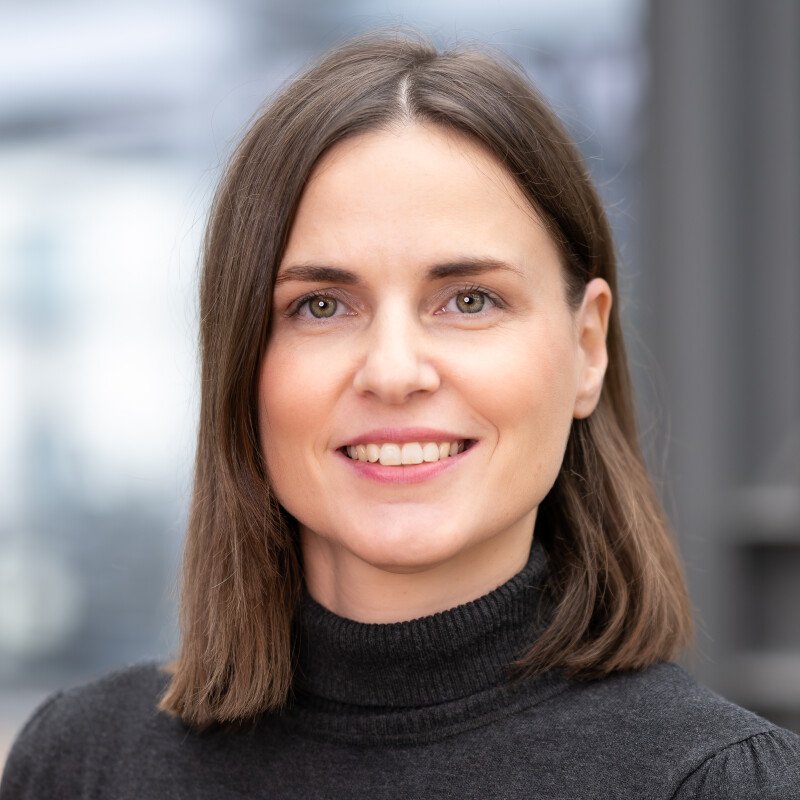
In the practical interview, Ute Poerschke, Managing Director of Elschukom GmbH from Thuringia, reports on how she uses the research allowance in everyday business and combines it with existing funding instruments.
A practical interview with Elschukom GmbH from Veilsdorf in Thuringia
The research allowance is a tax incentive that allows companies to later receive a portion of their expenses for research and development (R&D) back from the state. It provides companies with a relatively simple way to access innovation funding, regardless of industry or size. Ute Poerschke, Managing Director of Elschukom GmbH, demonstrates how pragmatically and effectively the research allowance can be used in SMEs, also in combination with Thuringian funding programs such as InnoInvest. Her approach: simply start, document thoroughly, and combine the right instruments. This creates a sustainable innovation cycle within the company.
1. Ms. Poerschke, what was the trigger for you to deal with the research allowance?
The trigger was an event introducing the research allowance around the turn of the year 2020/2021. I immediately recognized that this could be relevant for us, and we reacted very quickly. Our notices at that time still had very small numbers, which shows how early we were involved. In total, we directly submitted four projects: two mechanical engineering projects that we carried out internally, as well as two software contract developments.
2. In which industry does Elschukom operate and what exactly do you do?
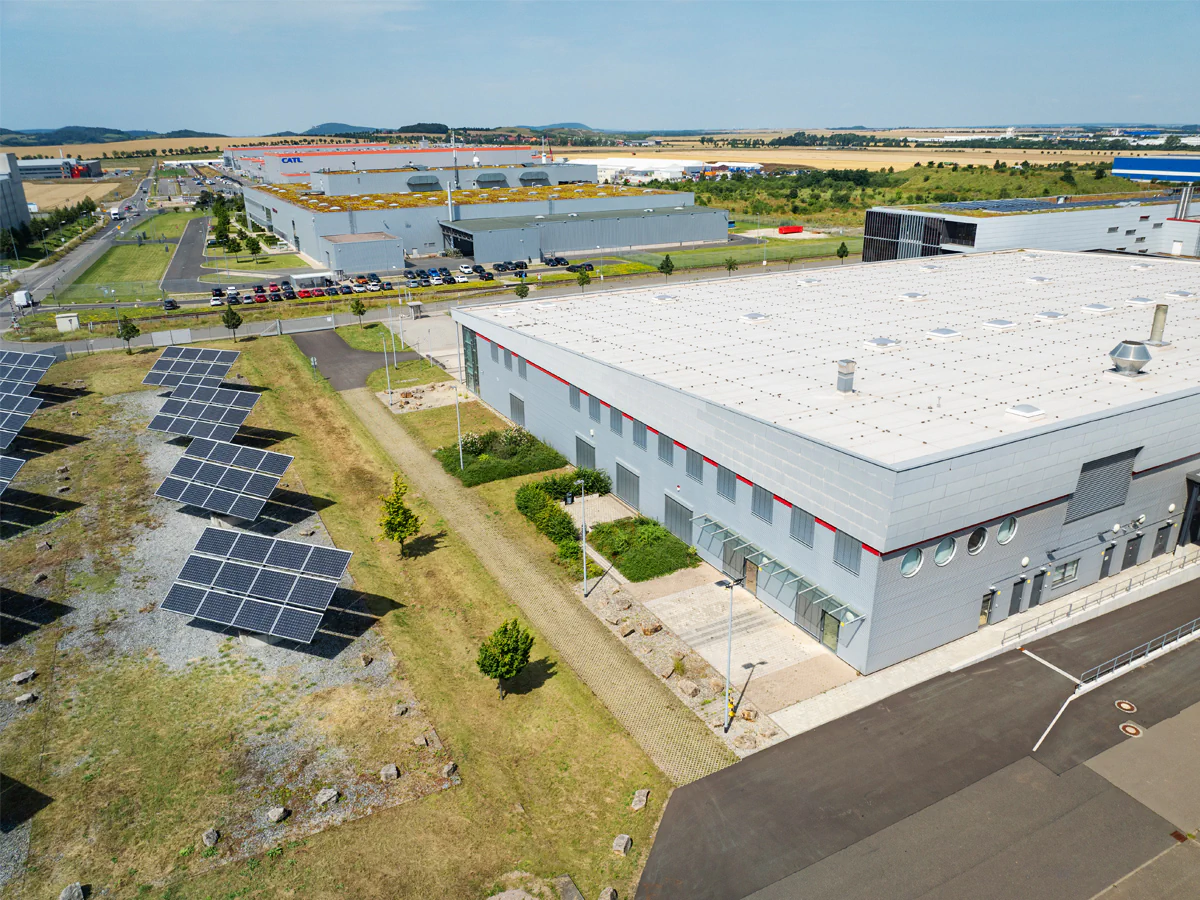
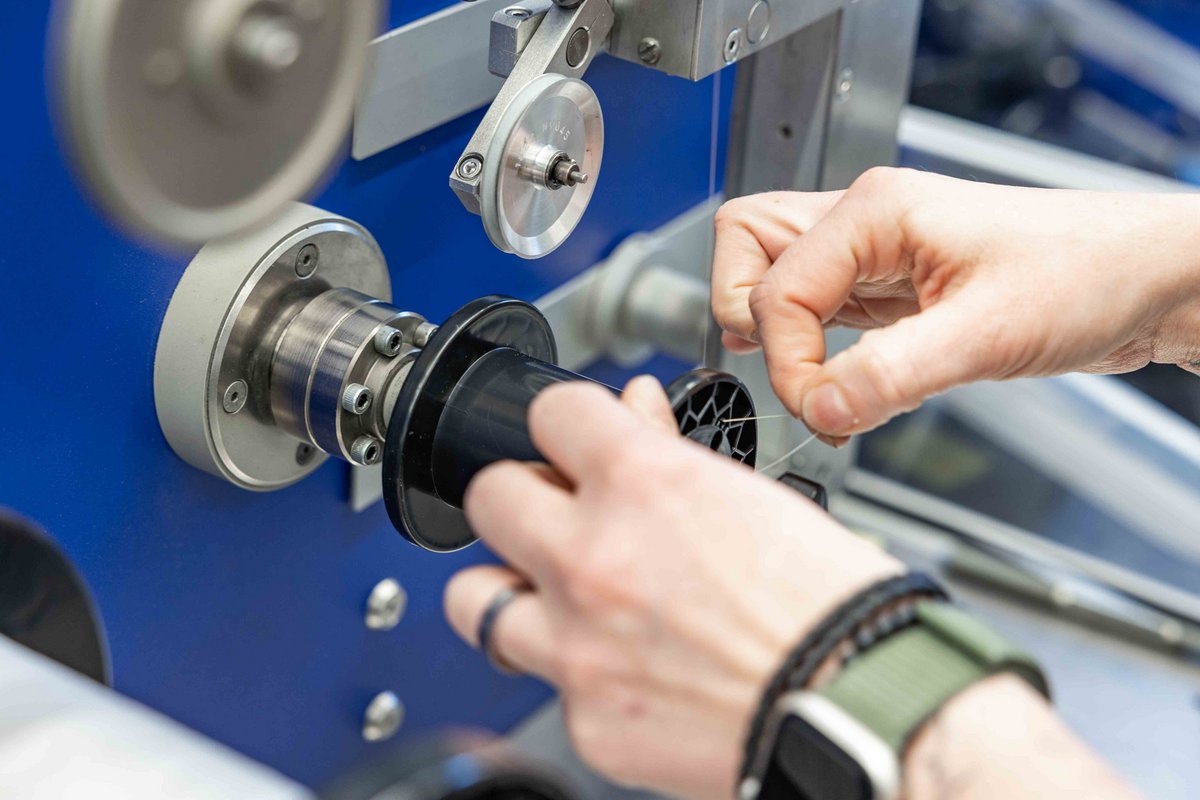
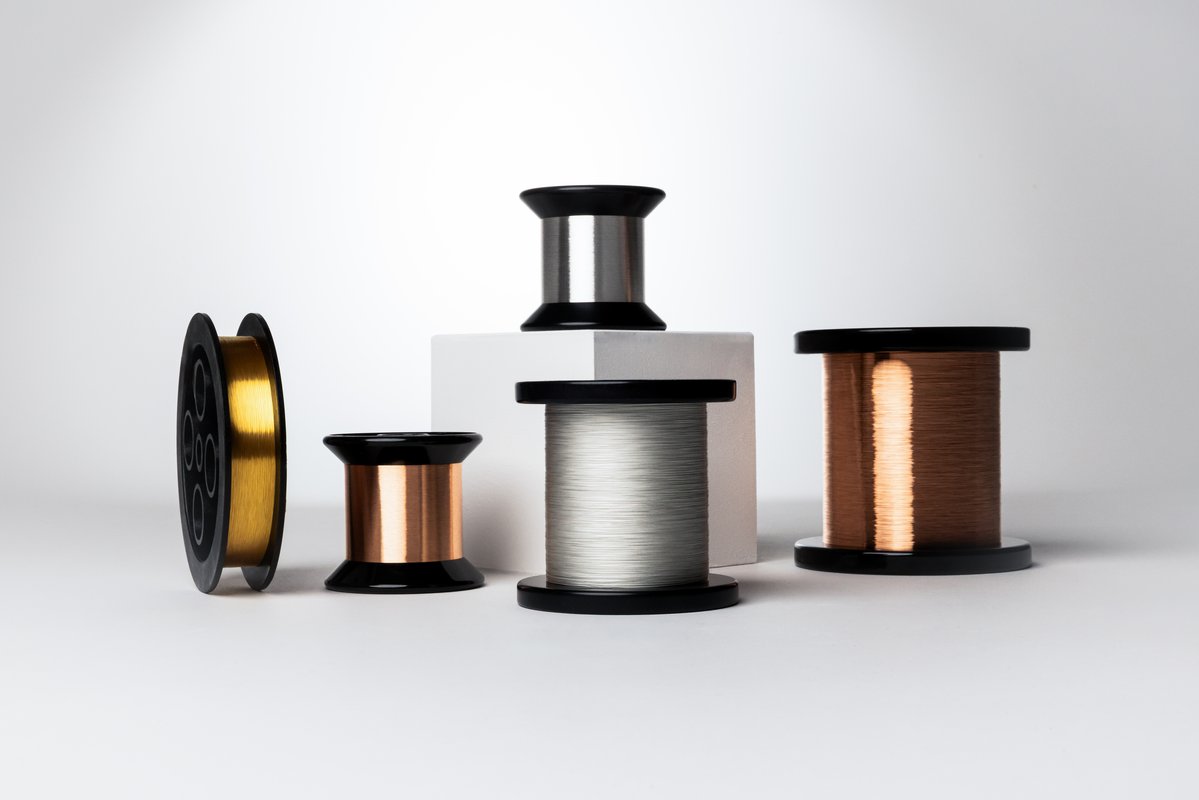
We operate in the manufacturing industry, with a focus on electrical engineering and metal processing. Our emphasis is on the production of ultra-fine wires, some with diameters as small as 10 micrometers, which is about one-tenth the thickness of a hair. In this field, there are hardly any standard machines, so we have to develop many solutions ourselves. Additionally, we develop custom solutions, build our own machines, and program accompanying software. As a result, we operate strongly in niche areas with a high degree of innovation.
3. What specific role does R&D play in your company?
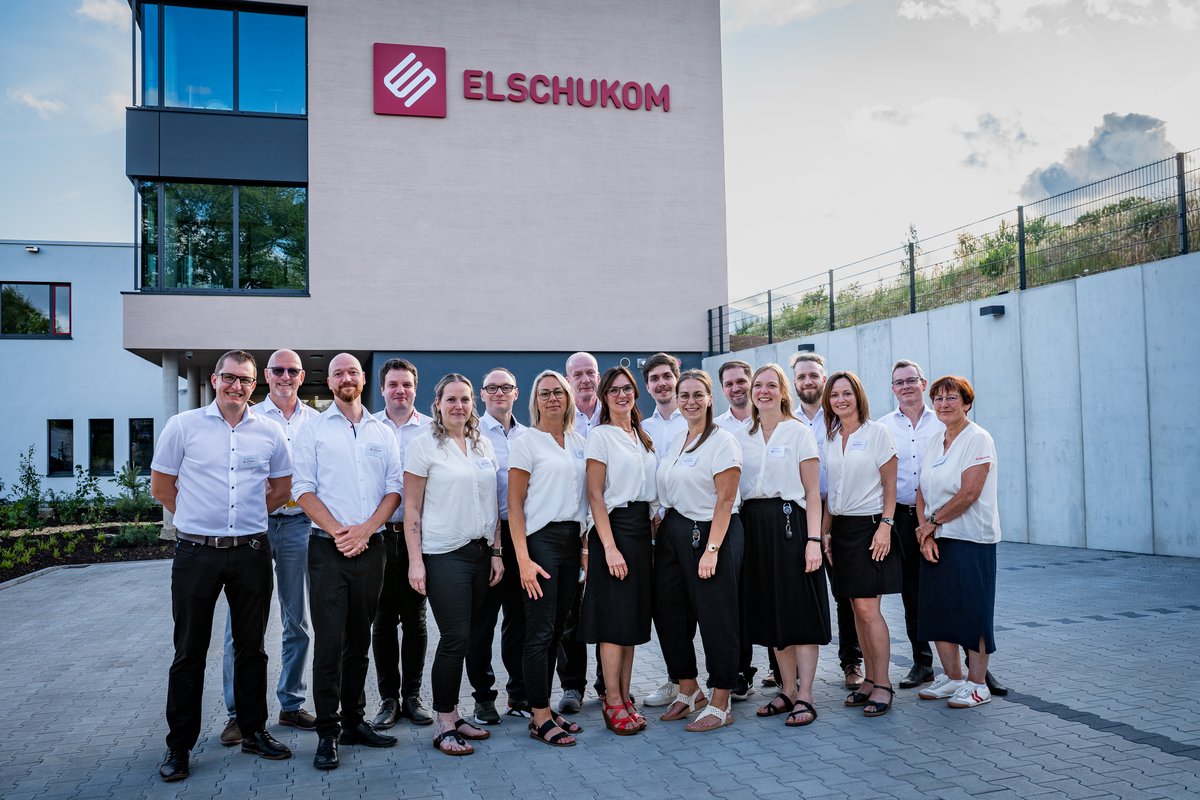
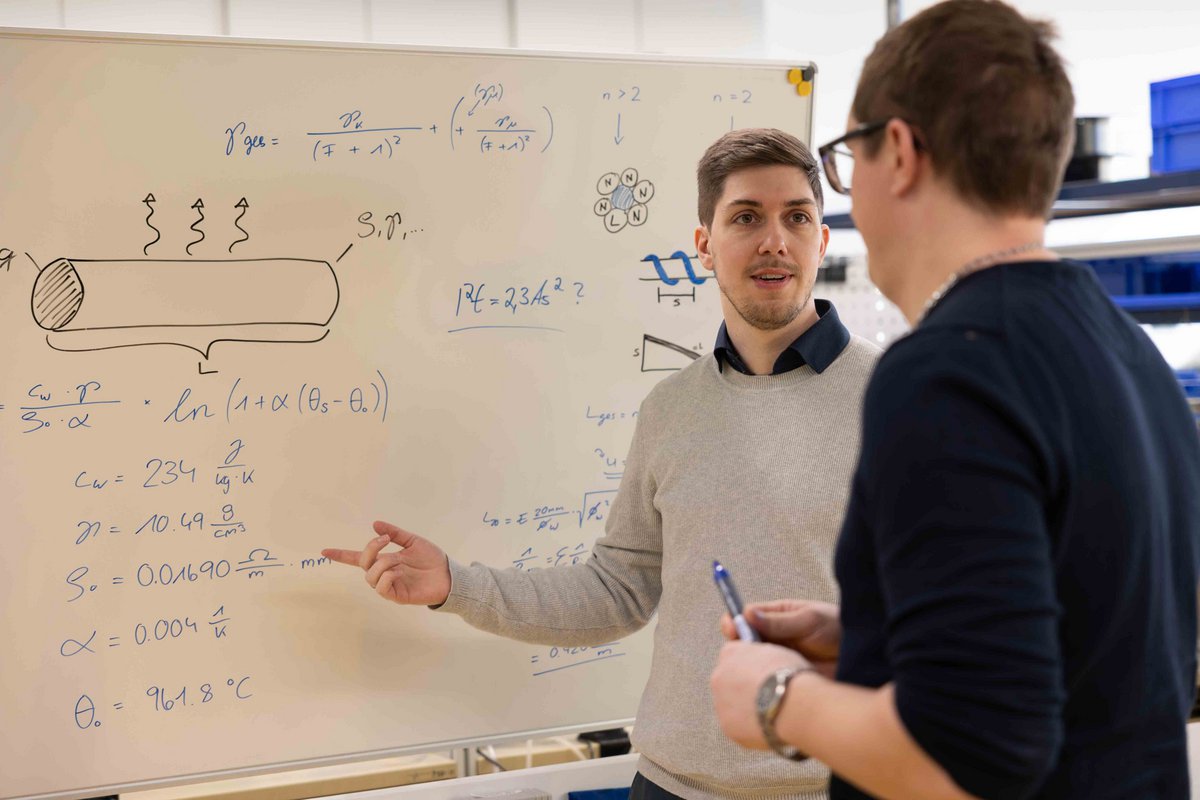
We currently have around 86 employees, of which about 4 to 5 are directly involved in R&D. However, many others also work on a project basis, so we total about 20 people. That corresponds to roughly a quarter of our workforce, which is quite a lot for a medium-sized company. The reason for this is that we not only develop products, but also processes, machines, and IT systems. So R&D is not a separate area for us, but rather part of the entire operation.
4. Can you give us examples of projects that you have supported using the research allowance?
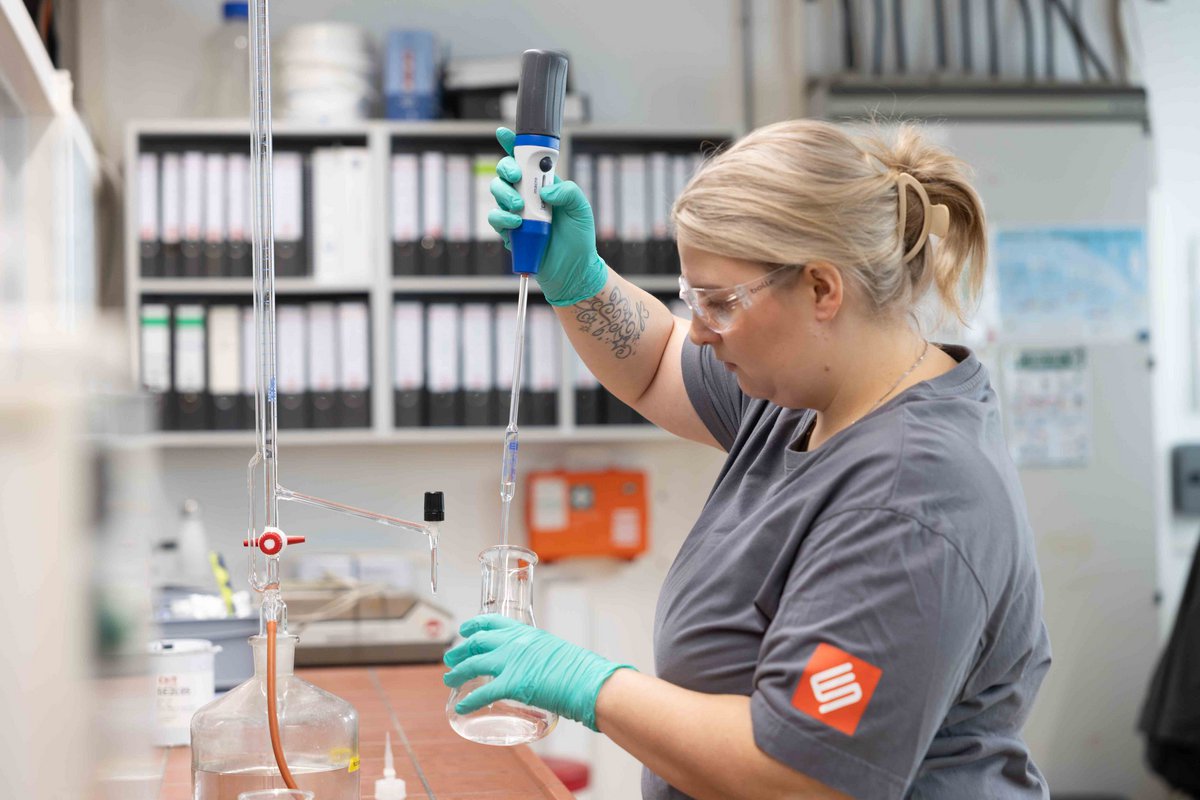
We funded mechanical engineering and software projects. One exciting project was the conversion of a galvanic system, where we developed a solution without mercury. This was technically challenging, but also very important for environmental and safety reasons. Another topic was the development of winding technologies for extremely fine wires. We are particularly proud of our self-developed software solutions, which make our production noticeably more efficient. Thanks to them, inventories can now be completed in seconds at the push of a button.
5. How do you see the research allowance compared to classic funding programs?
Funding programs that absorb personnel costs or facilitate investment decisions, such as InnoInvest and FTI-Thüringen for technical staff, are very helpful to us. InnoInvest and the research allowance, for example, are two instruments that complement each other ideally. With InnoInvest, I can make specific purchases, i.e., buy machines or commission external services, with a clearly defined outcome. Here, one waits for approval before starting. With the research allowance, I can start directly, monitor the cost centers, and submit the application retroactively.
6. What other advantages does the research allowance offer for your company?
With the research allowance, a project can be submitted even without a successful outcome. So I can say: I try something out and see what happens. This fits much better with the reality in SMEs, where work is often iterative. It is precisely this freedom that makes the instrument so valuable. In our case, there is also the fact that development projects sometimes take longer or are postponed because our mechanical engineers are simultaneously involved in maintenance and production. If this changes the timeline, it is not a problem for the research allowance. It funds the actual expenditure on personnel, materials, and external services, regardless of exactly when the work takes place.
7. Do you also use the research allowance strategically for your innovation planning?
As a company, we are too small to pursue a classic, formally structured innovation planning process. That would actually slow us down. Instead, innovations arise from our day-to-day operations, meaning we identify needs, get together, and develop solutions. Of course, we keep a rough roadmap and technology fields in mind, e.g., new materials like titanium or platinum. But we don't have a rigid innovation plan like large corporations do.
8. When do you say: An application is worthwhile and when not?
If I see that only 1,500 or 2,000 euros come together, I pass. The effort would be too high. The effort is then not proportionate to the benefit. But as soon as a project becomes larger and has real development depth, I can join in at any time afterwards. We consciously monitor our cost centers and then make pragmatic decisions. This is not a rigid system, but rather an entrepreneurial assessment
9. How do you experience the application process in concrete terms?
Surprisingly simple, to be honest. We already have most of the documents like project plans or specifications in the company anyway. The forms are manageable and tend to encourage structure rather than bureaucracy. You don't have to write a perfect text, but clearly explain what you intend to do. With some coordination within the team, this is quite feasible.
10. What were the biggest challenges for you?
The challenges arose less during the application process and more later during the review by the tax office. There, the main issue was explaining who specifically worked on the projects. In a medium-sized company, employees often do several things at the same time – maintenance, development, building prototypes. Presenting this clearly was not always trivial. But solutions can be found for that as well.
11. What role does documentation play in everyday life?
The most important insight is that documentation must start early. We immediately set up a separate cost center for every potential innovation project. This means all relevant data is automatically generated in day-to-day operations. Later, this data can be easily evaluated and used for the application. Without this structure, it would be significantly more complicated.
12. What three tips would you give to other companies?
First: My most important tip: Set up your own cost center immediately as soon as a potential innovation project starts, and then consistently record all the time of those involved. Second: Don't see auditors' queries as an obstacle, but actively clarify them and, if in doubt, simply call. Third: Don't wait too long at the end, but submit the invoice promptly, otherwise the payout will be unnecessarily delayed.
13. What concrete benefit does the research allowance provide for your company – and your conclusion?
The research allowance helps us make decisions and initiate projects in the first place, without having to bear the full risk immediately. At the same time, the payout acts like a bonus in retrospect. You get money back for something you would have done anyway. We reinvest this money directly into new projects. The research allowance is a real lever for innovation in SMEs.
Ms. Poerschke, thank you very much for the interesting interview.
Comments
no comments available
Write a comment
Author