
InnoVIEW: “Netzwerk heißt Vertrauen” - ELMUG im Profil
The Cluster for Electronics, Measurement and Device Technology brings companies together, promotes innovation and creates a platform for exchange and cooperation. Why membership is worthwhile, which topics are current and what the future looks like – we discuss this in the interview.
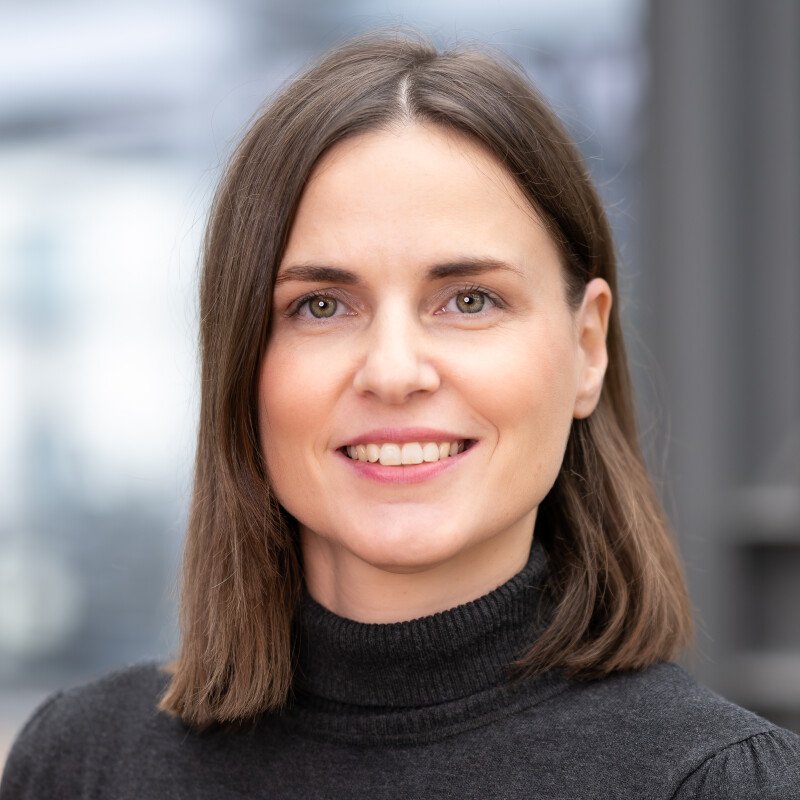
Interview with Ines Fuchs, branch manager of ELMUG eG
In conversation with Ines Fuchs, branch manager of ELMUG eG
The Cluster for Electronics, Measurement and Device Technology (ELMUG) brings companies together, promotes innovation and creates a platform for exchange and cooperation. Why membership is worthwhile, which topics are current and what the future looks like – we discuss this in the interview.
What role does ELMUG play in promoting innovation in electronics, measurement and instrumentation technology, and what are the primary objectives?
Fuchs: My goal is to make ELMUG a real platform for exchange and collaboration. Our members can openly address topics here – resulting in practical solutions and new partnerships. With events like the solution generator, we bring together companies, research, and partners, and consciously open networks across industry boundaries – from sensor technology and electronics to IT, medical technology, or new topics such as retrofit, digital product passports, and battery technologies. It is equally important to provide our members with compact information from politics and business at an early stage and to support them with funding, skilled workers, and projects.
In which specialization fields of RIS Thuringia is ELMUG particularly active and where are the greatest opportunities for cooperation?
Fuchs: Officially, we are anchored in the specialization field of "Industrial Production and Systems“, but in practice we are much broader because electronics, sensor technology and measurement technology are cross-sectional technologies. Our members supply technologies to a wide variety of industries – whether automotive, medical technology or mechanical engineering. This means we touch almost all specialization fields.
Let's take predictive maintenance: A sensor provides data – but what then? Customers need analyses and recommendations for action: What do the data say about the condition of the machine? Sensor technology only creates real added value in combination with AI, automation, or robotics. We bundle these competencies here in the cluster.
How many members does ELMUG currently unite? Which industries are represented – and how do members benefit from their membership in the cluster?
Fuchs: ELMUG currently has around 70 members – 21 cooperative members and 50 partners. The majority of our members are companies, from small and medium-sized enterprises (SMEs) to research-oriented businesses. But we also have research institutes and consultancies on board. In addition, there are strategic partnerships, for example with the AMA sensor association. Such collaborations disseminate topics nationwide and at the same time bring market knowledge back into the cluster.
For our members, there are four key benefits: they quickly receive the most important information, establish new business contacts, gain access to skilled workers, and increase their visibility – whether through events or social media.
How would you assess Thuringia's role as an innovation location in the field of electronics and measurement technology in a nationwide comparison, and where does the cluster still see potential for development?
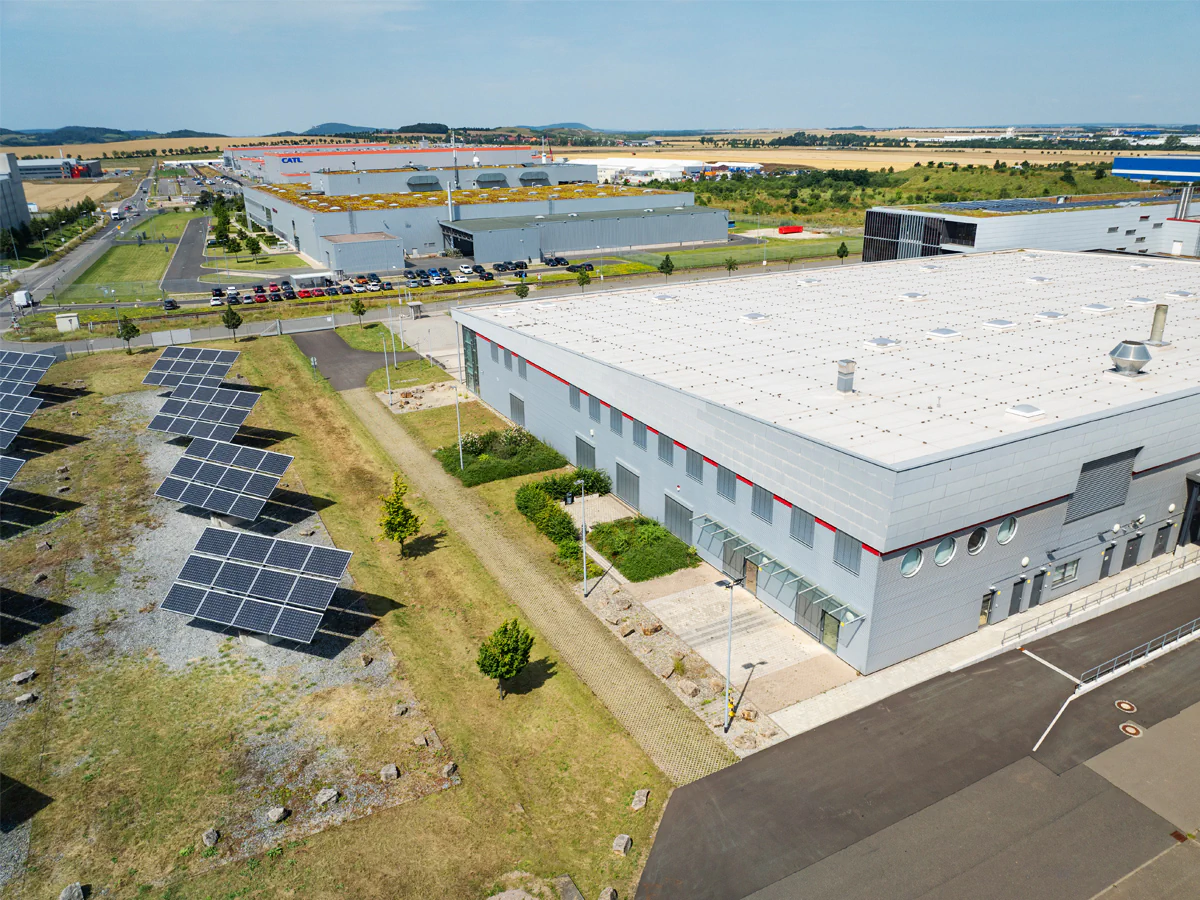
Fuchs: Thuringia is very strong in the fields of electronics and measurement technology and is at the forefront nationwide. We supply our know-how worldwide. The Ilm district in particular is developing dynamically, for example with CATL and many suppliers. The greatest future opportunities lie in the interplay with new technologies. Thuringia offers the best conditions for this: short distances, committed companies and strong research.
What typical challenges or innovation barriers are companies in your industry struggling with?
Fuchs: The electronics and measurement technology sector is grappling with the same issues as many others: high energy prices, demographic change, and the resulting shortage of skilled workers. I view the decline in student numbers in Ilmenau critically, as it directly affects our companies that are closely linked to the university. Another major problem is constantly changing regulations. For SMEs, this is an enormous effort.
Here we offer support: We filter the multitude of requirements, reduce them to the essentials, and develop practical recommendations for action. One example: From over 1,000 criteria of the EU sustainability reports, we filtered out 54, for instance on building technology, material selection, or the integration of solar systems. This allows our members to get started concretely without being overwhelmed by the mass of requirements.
As the branch manager, you coordinate the activities of the network. What does your specific area of responsibility look like?
Fuchs: I see my main tasks in three areas: observing trends, bundling and passing on information, and organizing events that get people talking. One example of this is our solution generator, which was used during the Cross-Cluster Week and provides companies with new impulses for concrete problem situations.
I also take care of public relations. Our members have great products and services, and I ensure that these become visible.
How does ELMUG promote technology transfer and what projects or events are currently available?
Fuchs: Battery technology is a huge field of the future, and we are directly involved through measurement technology, because every battery production needs monitoring regarding temperature, load, and durability. As part of BatterieMD, we have developed a modular training catalog – from basics to safety to recycling – so that companies can specifically build the required competencies. The basis was a needs analysis of the companies.
We also inform companies in events about the digital product passport, which will become mandatory from 2027. With our format „elmug4future“ we also offer an industry meeting; this year's program features „Measurement Technology for Life Science“ in cooperation with medways e.V.
What significance do sustainability and resource efficiency have for the electronics, measurement, and device technology industry, and how does ELMUG address these topics?
Fuchs: Sustainability and resource efficiency are central concerns for us. One example is retrofitting: old machines are equipped with sensors so that they can continue to operate instead of being scrapped. This saves resources and costs. Many of our members are developing solutions that increase energy efficiency or integrate renewable energies into production processes – from smart building technology to cloud-based solutions for digital energy management.
You work at the industry forum "Smart Manufacturing“ with partners such as the Thuringian Center for Mechanical Engineering, the Mittelstand-Digital-Zentrum Ilmenau and "Innovativ Thüringen“ of the LEG. What makes this collaboration particularly valuable?
Fuchs: The valuable thing is that we really do it together – not just side by side, but with each other: developing topics, coordinating dates, sending invitations. This creates events with greater reach and more interested participants. At the same time, we experience mutual support and appreciation, which shows that we are not alone in facing challenges.
Securing skilled workers is central for many companies. What initiatives, also beyond BatterieMD, does ELMUG use to support its members in recruiting and qualifying skilled workers?
Fuchs: One initiative is the youth enterprise workshops. We are currently working with one or two schools in Ilmenau. At the Ilmenau Technology and Start-up Center, we supervise seminar papers together with our member companies, thus providing valuable Contacte into the regional economy. Particularly gratifying was the feedback from a former student who came back to us years later for her bachelor's thesis – proof that the commitment is worthwhile.
ELMUG eG is a founding member of the Cross-Cluster Initiative Thuringia (CCIT), a network of Thuringian networks from various industries. How does the collaboration succeed?
Fuchs: With the CCIT, we network with other clusters, such as those in mechanical engineering, IT, or medical technology. The differences are often smaller than one might think. Many challenges affect us all – shortage of skilled workers, energy costs, digitalization. The CCIT creates a trusting framework in which experts can exchange ideas. I like to use the image of the “diamond”: the experts sit at the corners, but innovation arises in the diagonals when different disciplines come together.
Which common topics or trends do the clusters in Thuringia want to address more intensively together in the future?
Fuchs: Decisions are made jointly. However, it is certain that digitalization, sustainability, energy prices, and securing skilled workers are at the top of the list. These topics arise in all clusters and are addressed jointly at events such as the CCIT week.
Looking five to ten years ahead: What role will ELMUG play as a cluster for the electronics and measurement technology industry in Thuringia in the future?
Fuchs: In the next ten years, ELMUG is to become the leading hub for electronics, robotics, AI and automation and the first point of contact for politics, research and industry. A particular concern of mine is the establishment of a living lab where new technologies can be made visible and tested. We also plan to develop a digital matching system that brings partners and skilled workers together more quickly, and we are committed to promoting spin-offs and attracting international companies to our region. Equally important to me is social responsibility: our companies are visibly engaged in the region and society, thus contributing to a sustainable future.
Ms. Fuchs, thank you very much for the interesting conversation.
Comments
no comments available
Write a comment
Author