
InnoCON Thüringen 2026
InnoCON Thüringen 2026 showed: Successful innovations arise where companies, research institutions, and networks jointly develop solutions. Find out here which success factors truly make collaborations successful and how companies can benefit from them.
What companies can take away from InnoCON Thüringen 2026
Innovations today rarely arise within a single company. New technologies are becoming more complex, development cycles shorter, and markets more dynamic. Those who want to innovate successfully therefore need more than good ideas: They need the right partners.
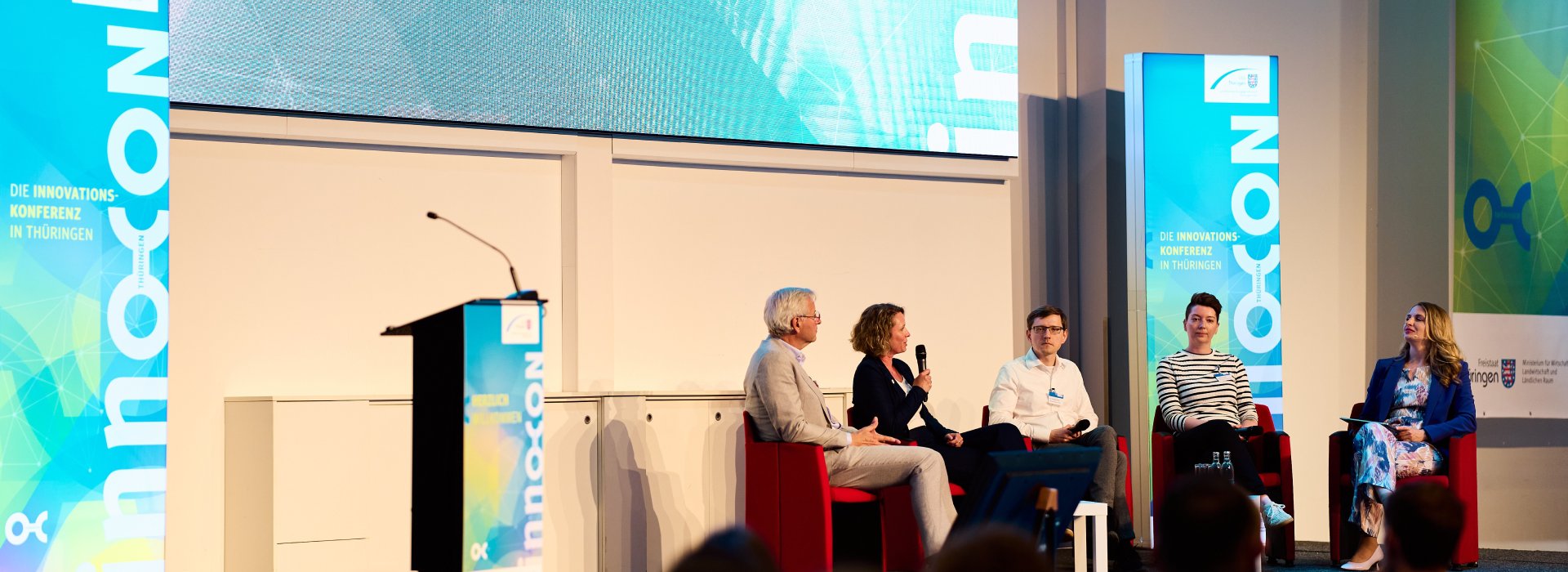
That was precisely the focus of InnoCON Thuringia 2026 in Erfurt. Under the guiding theme of “Success through Cooperation and Networking“, representatives from business, science, politics, and innovation networks discussed how collaboration contributes to innovation success, what challenges arise in the process, and what factors characterize successful partnerships.
The central insight of the event: Innovation arises where different competencies come together, knowledge is shared, and companies develop new solutions together with research institutions, networks, and customers.
The InnoCON showed which success factors are decisive and what companies can take away from them for their own innovation projects, using numerous practical examples from Thuringia and beyond.
Innovation begins with the right understanding
In his keynote speech, Rudi De Winter, long-time CEO and current supervisory board member of X-FAB, made it clear how XFAB has developed since its founding in 1992 in Erfurt into one of the world's leading manufacturers of microchips. The company relies on a combination of complementary competencies and strategically involves partners who supplement its own know-how, bring in new perspectives, and provide access to additional technologies or markets. In addition, they involve their customers early in development processes, work with so-called lead customers, and continuously gather feedback. For them, this means faster learning cycles, reduced development risks, and targeted new products.
The message of the keynote was thus also a clear recommendation for companies: Those who want to accelerate innovation should not view collaborations as an addition, but as an integral part of their innovation strategy.
High-tech from Thuringia for global markets
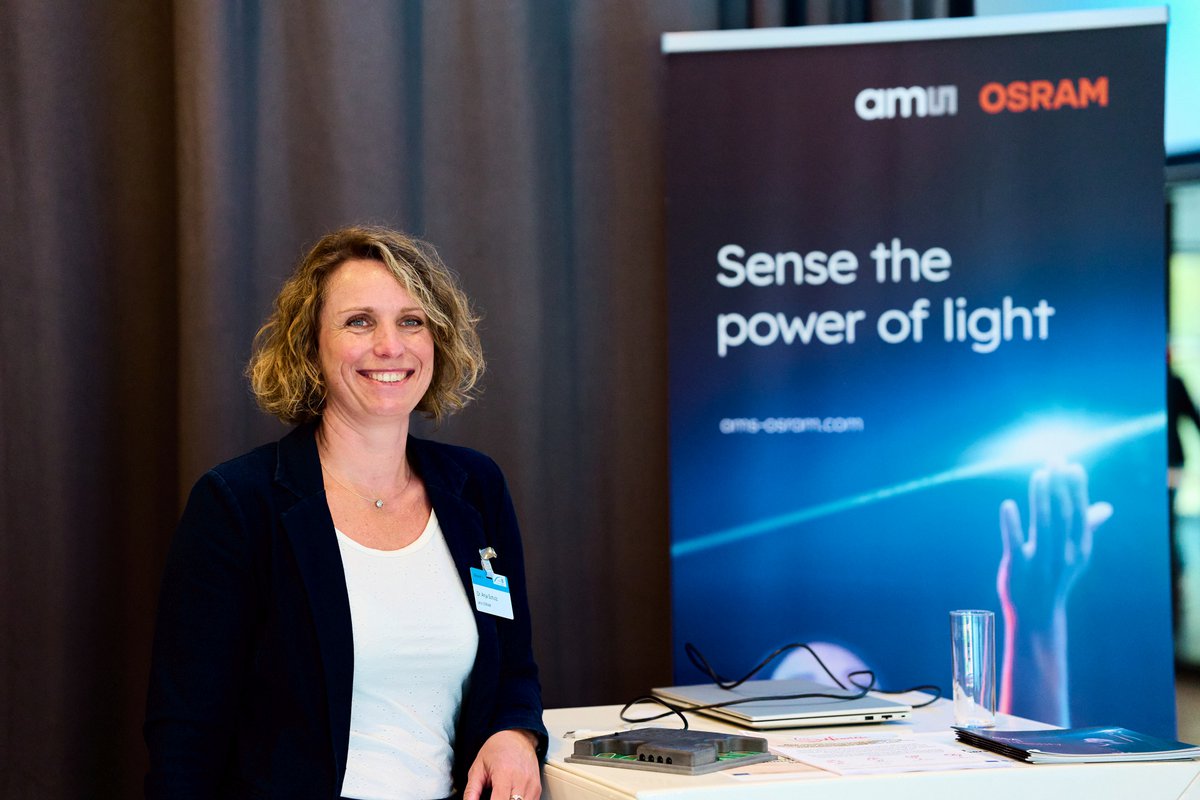
De Winter used an Erfurt success story to show what successful cooperation can look like in concrete terms. One of the world's smallest contactless temperature sensors was developed here, which can now be used in consumer and medical technology applications (e.g., smartphones, wearables) and targets markets in Asia and the USA. The success is based on the interplay of semiconductor technology with optics. De Winter also sees great potential in Thuringia in the interplay of photonics and microelectronics.
Cooperation as a success model: Examples from research and business
The InnoCON demonstrated how collaboration works in practice from different perspectives – from vivid success stories and concrete project pitches to joint reflection in workshops.
The session began with three film examples from Thuringia, which impressively illustrated how marketable innovations can emerge from cooperation.
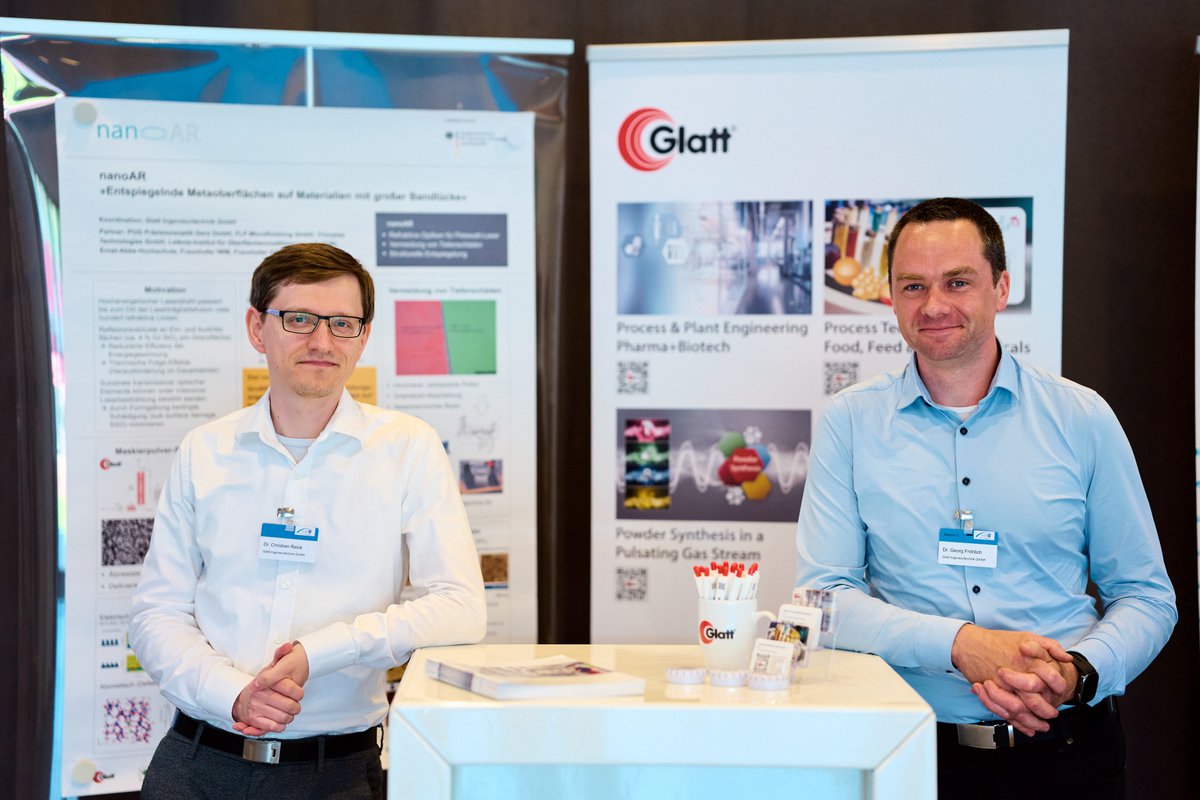
In the NanoAR research project, partners from science and industry are working together on novel nanostructured surfaces for high-performance optics. Glatt Ingenieurtechnik GmbH contributes its expertise in the development and synthesis of special nanopowders, thus creating a central basis for the new materials.
The MOVEwell project takes a different approach. Partners from business and research are jointly developing solutions for more sustainable mobility in rural Thuringia. The focus is on a digital platform that aims to make flexible and sustainable mobility options such as carpooling and on-demand transport accessible to employees of the Bad Berka Central Hospital.
An international cooperation is demonstrated by the Horizon Europe project NewLife. Here, partners from six European countries are developing innovative monitoring solutions for pregnant women and newborns. One example is intelligent textiles with integrated sensors that can capture health data contactlessly.
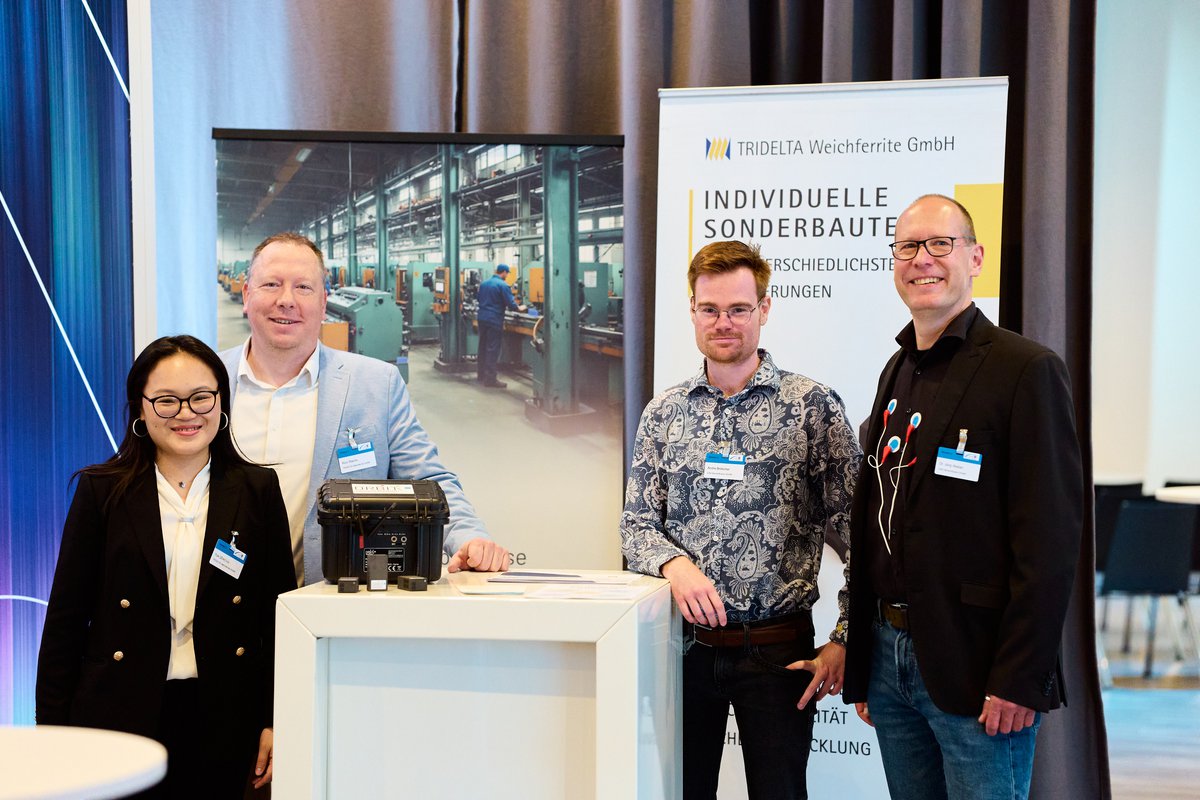
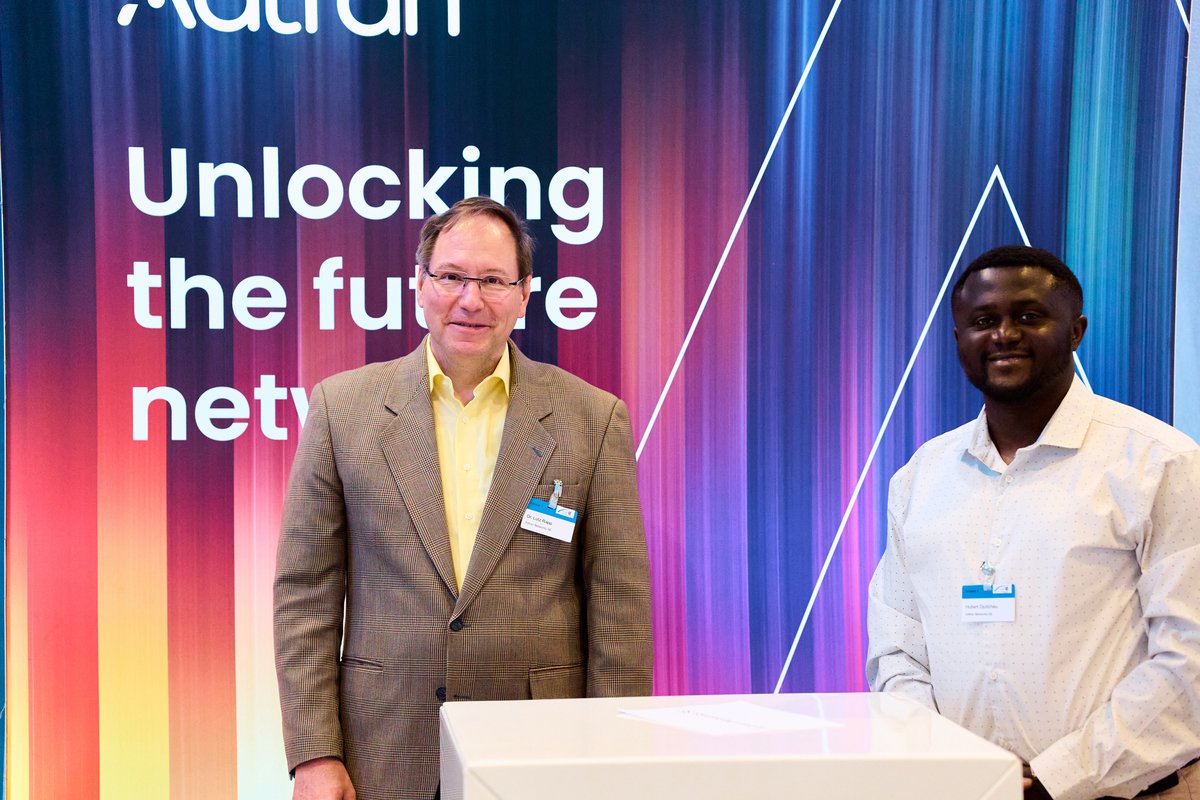
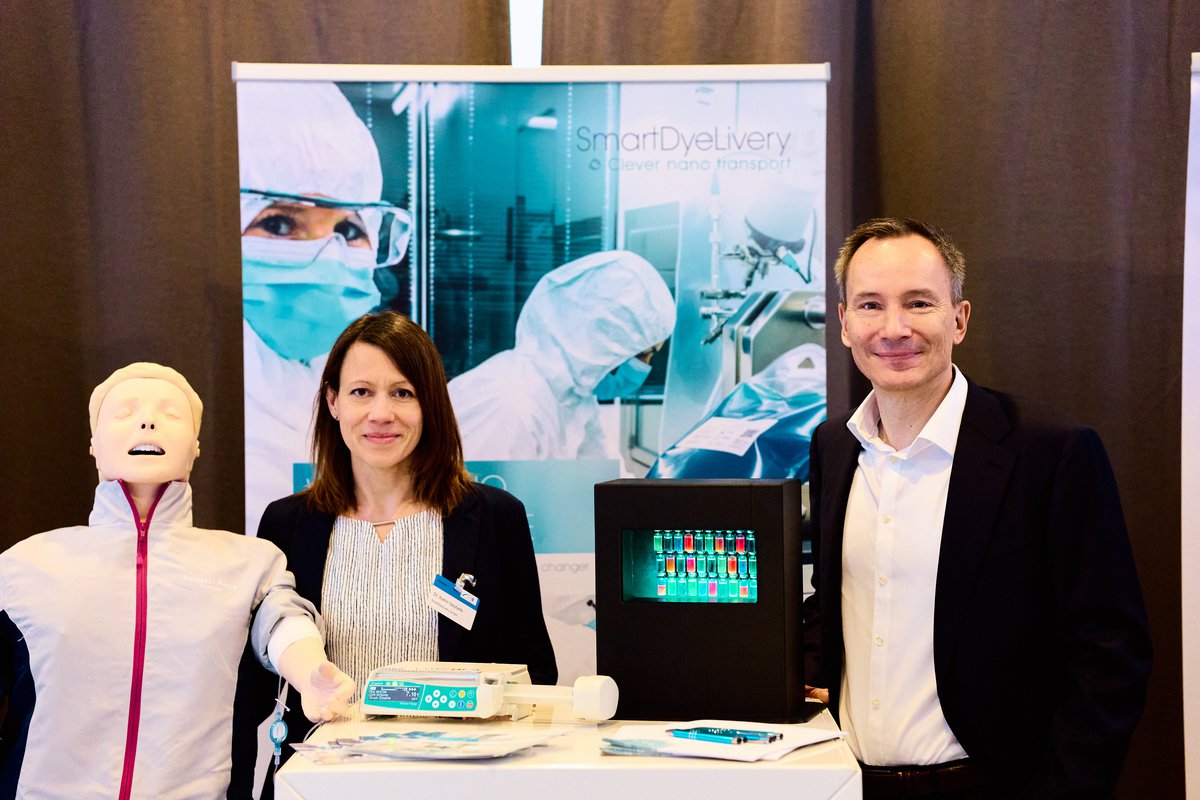
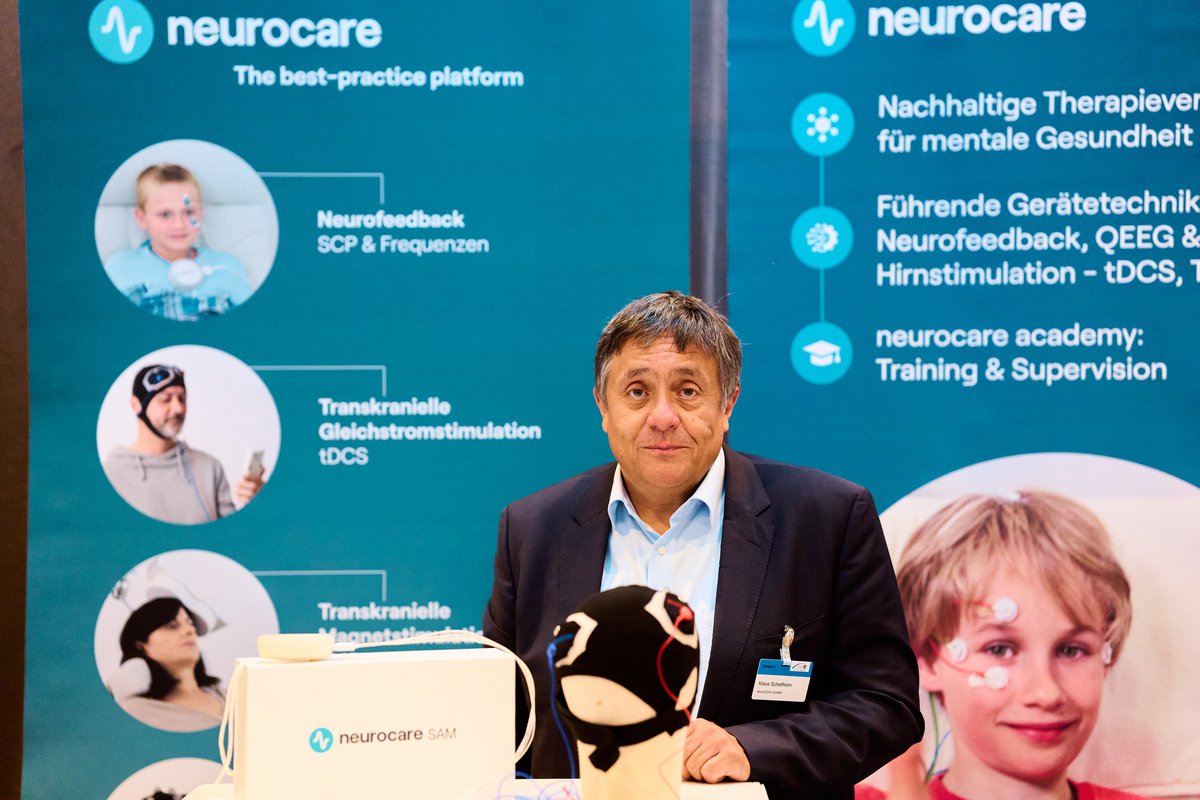
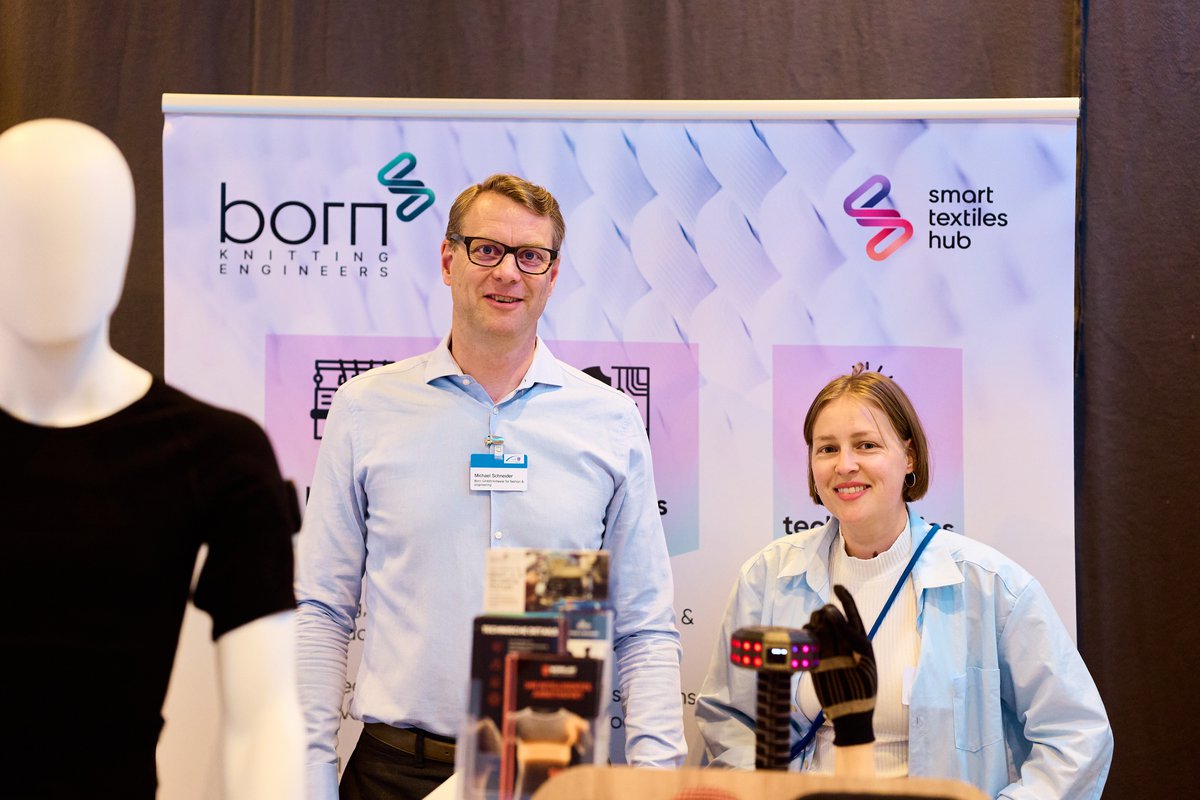
Further practical examples underscored the diversity of cooperation among Thuringian companies – from well-established regional collaborations to international alliances – as well as the importance of networks in complex innovation projects. These included the development of a multi-sensor system for industrial production environments (Tridelta Weichferrite GmbH), a campus network for industrial applications (Adtran Networks SE), new methods for artificial respiration (neuroConn GmbH), and energy-generating textiles with graphene (Born GmbH – knitwear for fashion & enginering).
In the workshop with Oliver Mauroner, Professor of Technology-Oriented Innovation and Start-up Management at Hof University, participants discussed typical cooperation hurdles such as unclear goal definitions and role distributions, complex coordination processes, lack of commitment ("keyword cooperation graveyard"), limited personnel resources, and missing knowledge management – and jointly developed solution approaches.
What successful projects have in common
Concrete recommendations for action could be derived from the practical examples and the workshop:
Creating clarity: Define goals, roles, and expectations from the start and
define common success metrics/milestones
Actively shape communication: Actively shape communication: Regular exchange, develop a common language, address conflicts early, actively build trust
Systematically secure knowledge: Documentation and knowledge transfer, build representation structures
Create commitment: "Penetrance as a solution approach“ – consistent follow-up, demanding results, and focusing on common goals.
Limited human resources and complex coordination processes: Structured collaboration, designation of a contact person, improvement of project management using tools such as RACI and Quality Gates
Innovation needs not only ideas, but also the right framework conditions
Besides the practice examples, it became clear at InnoCON 2026 that many companies do not yet make sufficient use of existing funding and support offers. Companies in Thuringia have numerous instruments at their disposal – from individual projects to joint ventures to federal funding programs, such as the Thuringian FTI guideline for the promotion of research, technology and innovation projects and federal programs such as RUBIN and WIR..
At the same time, widespread prejudices were dispelled: funding applications are now largely digitalized, project starts can often take place shortly after application submission, and companies do not necessarily need external consultants. What is crucial, rather, is to involve the right contacts at an early stage and to make use of existing support services. Innovativ Thüringen also accompanies companies in early development phases – from sharpening the project idea, through the search for suitable partners, to the development of viable consortia and funding strategies.
Thuringia as a strong innovation location
The message of InnoCON Thüringen 2026 is therefore: Those who want to successfully develop innovations should not only rely on their own strengths, but actively seek collaborations and make use of existing support services.
Session 2: "Cooperation instead of going it alone: Future, challenges and solutions"
Overarching findings and overall conclusion
Session 2 Summary
Session 2 Summary
Released presentations of InnoCON 2026
The presentations of selected speakers are available for download here.
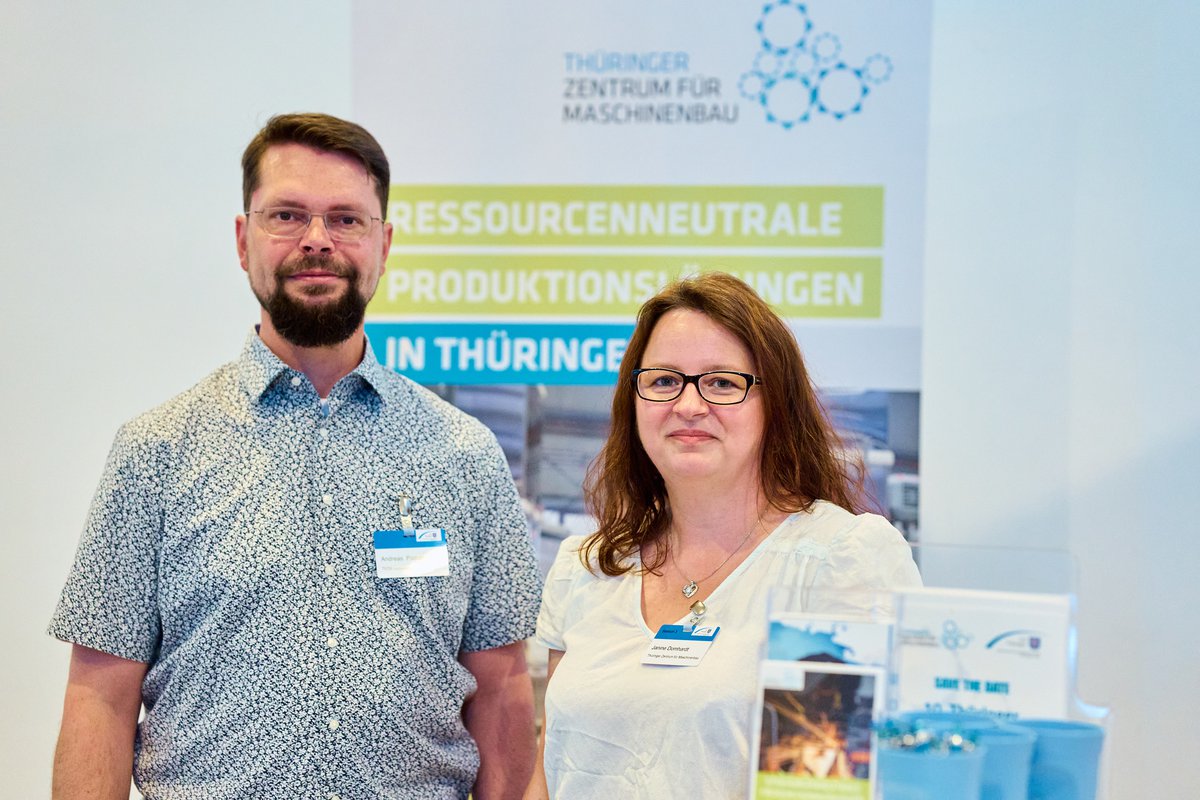
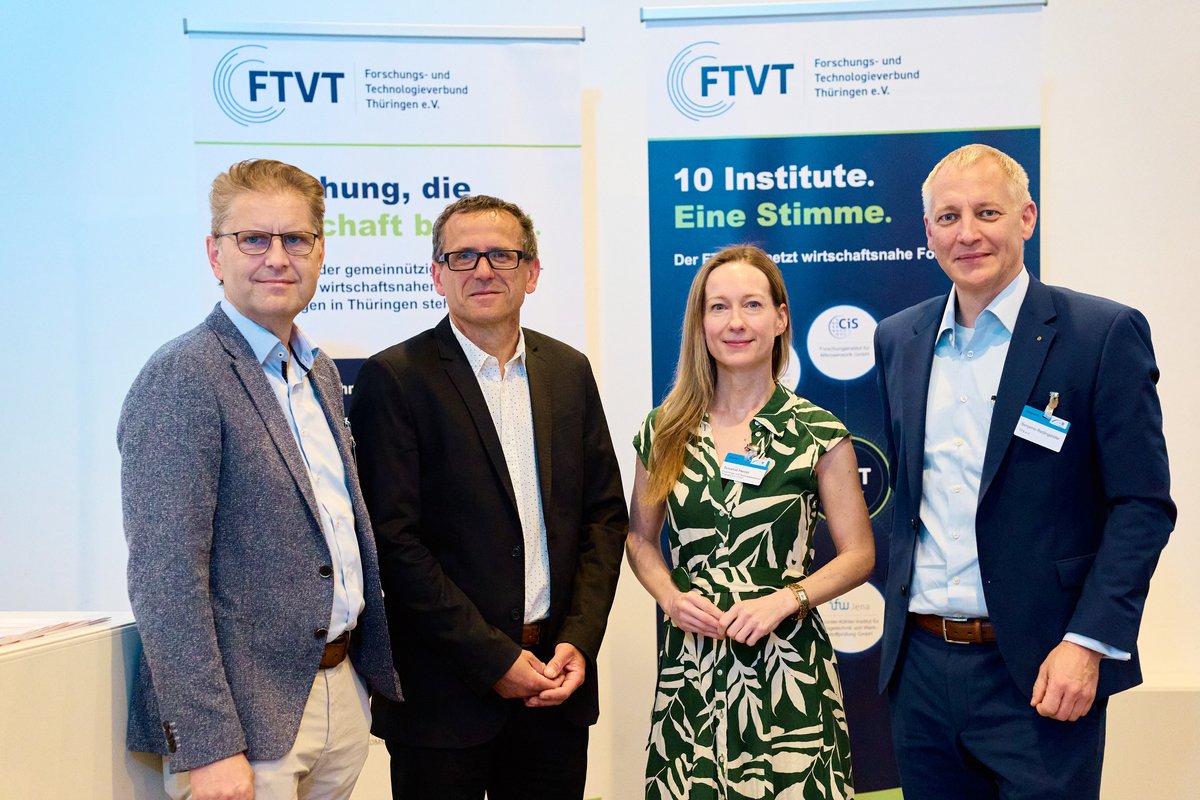
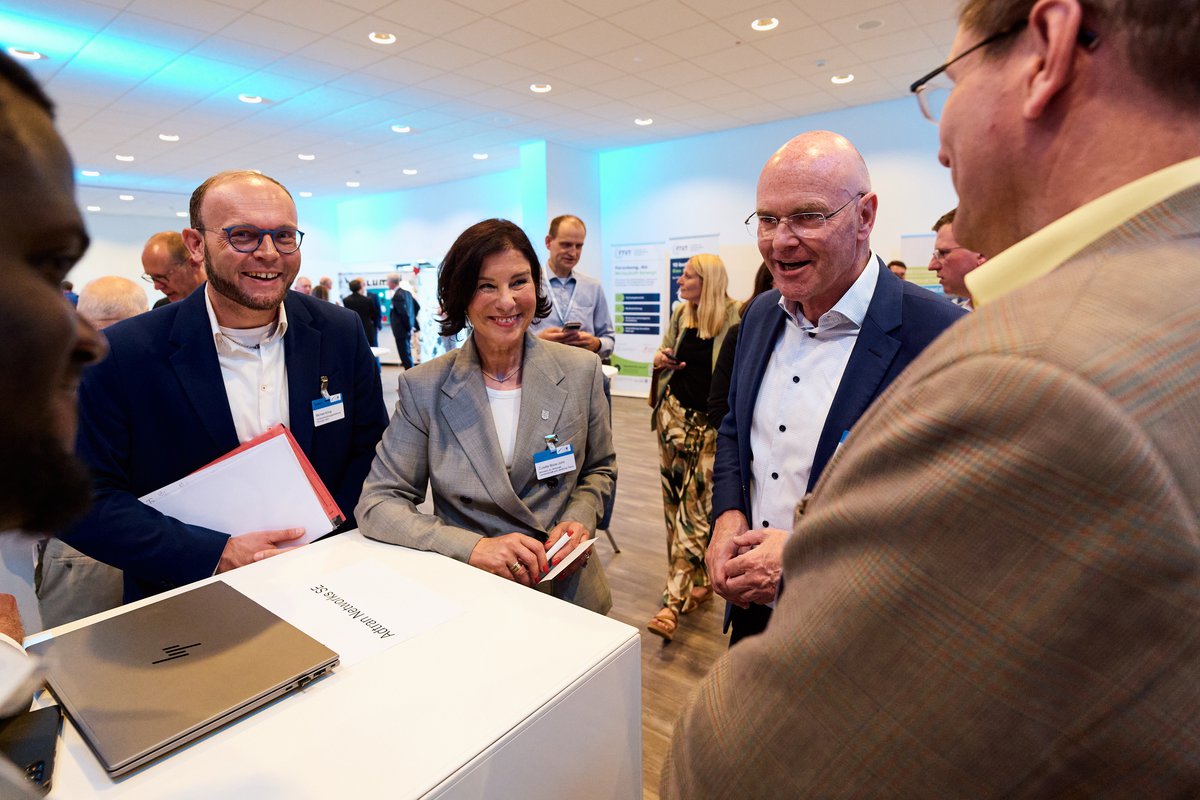
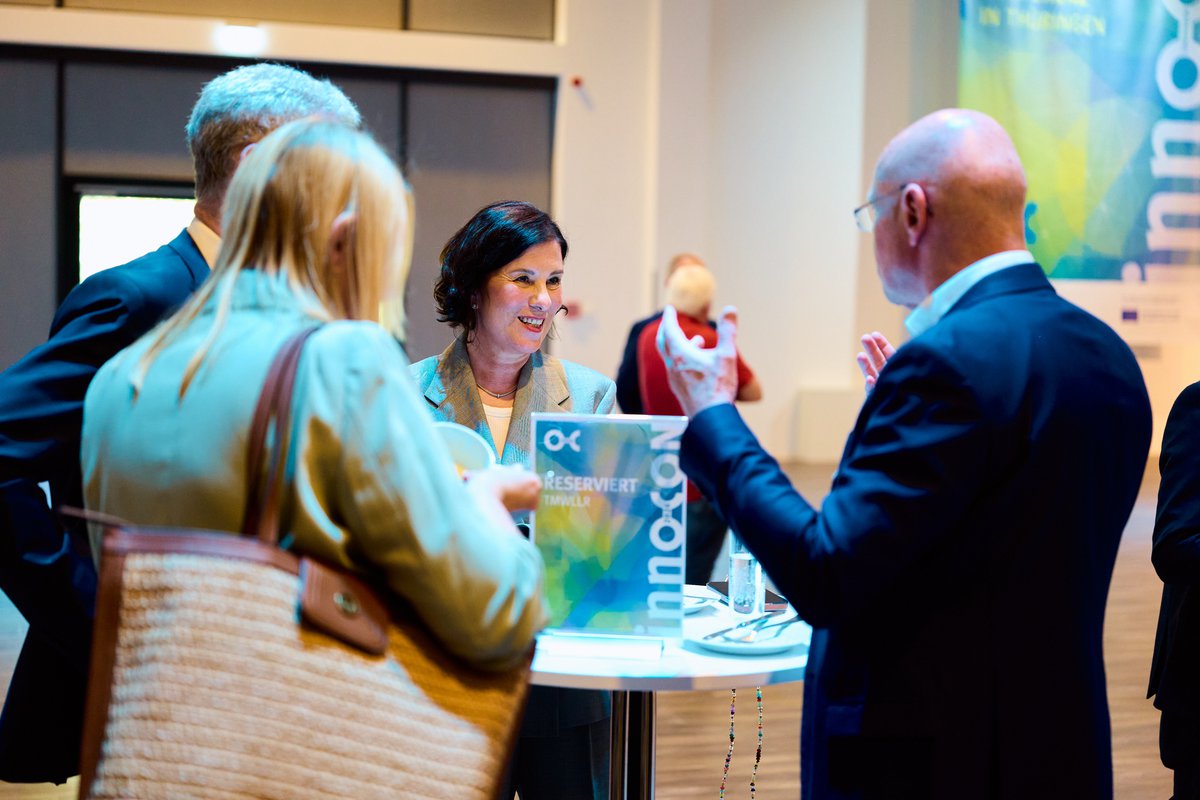
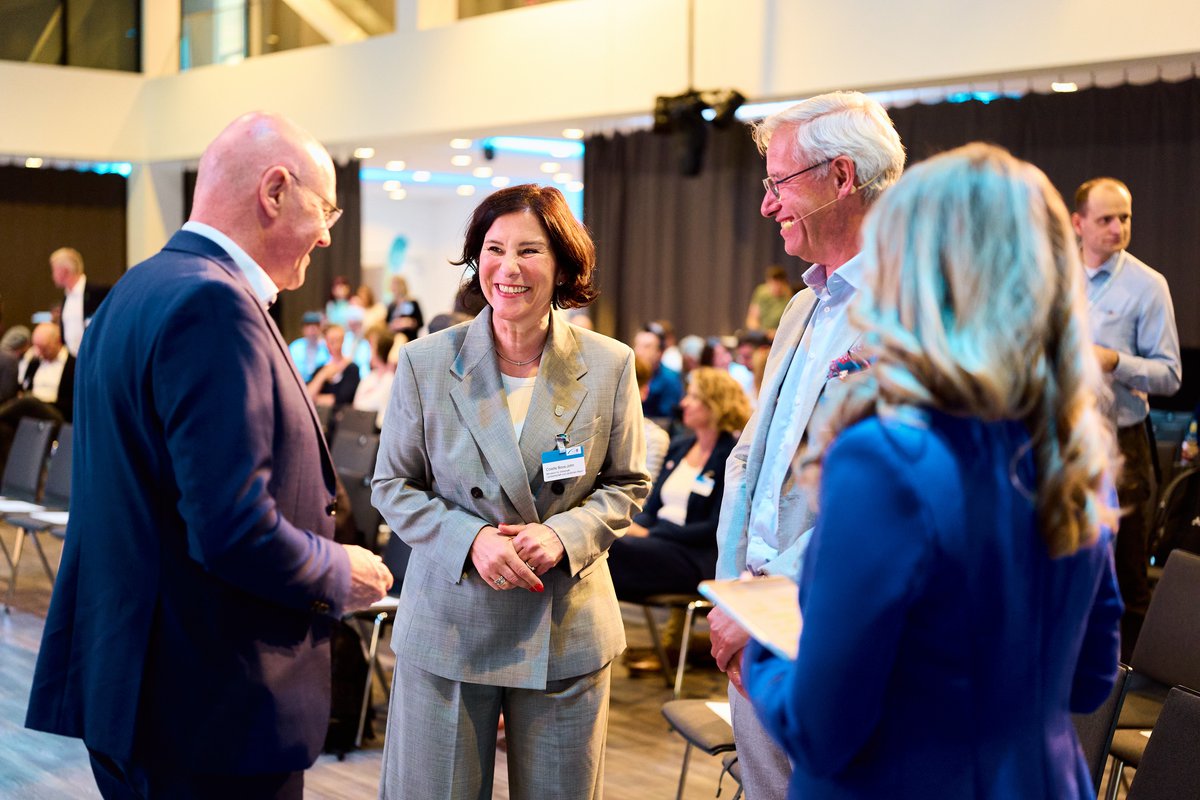
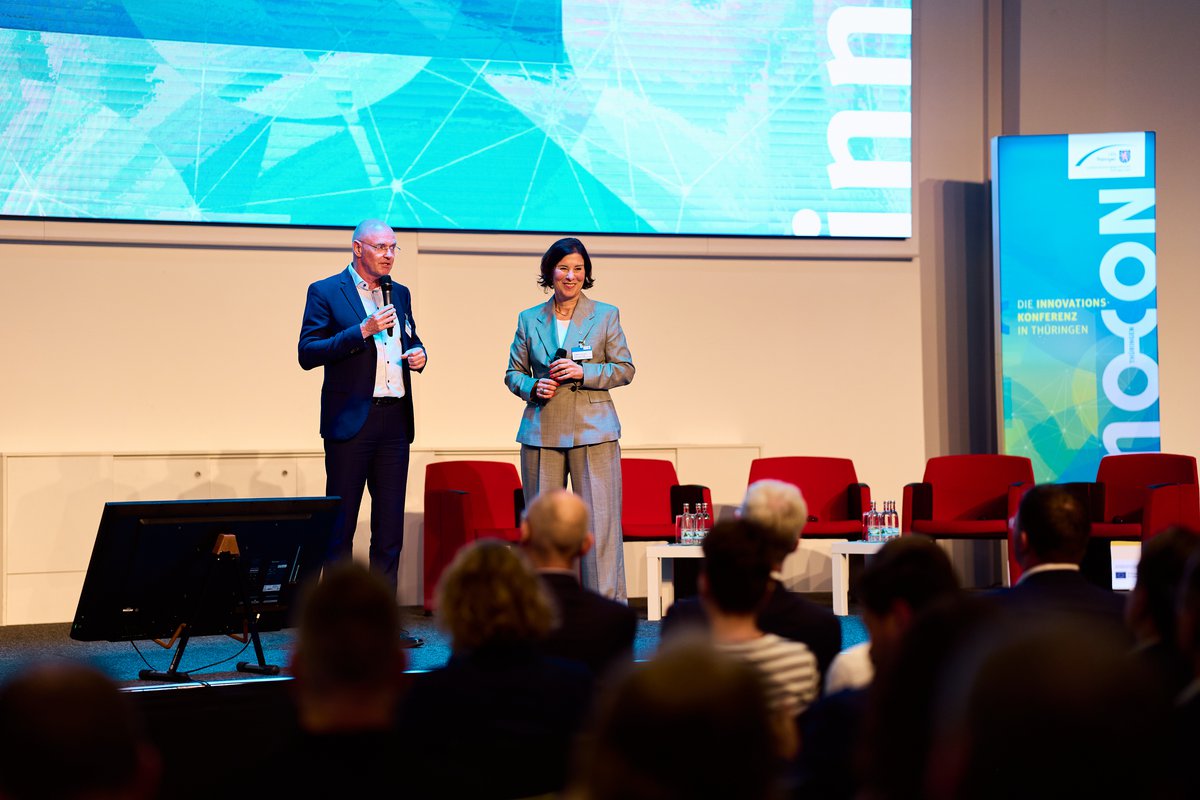
Impressions





Comments
no comments available