
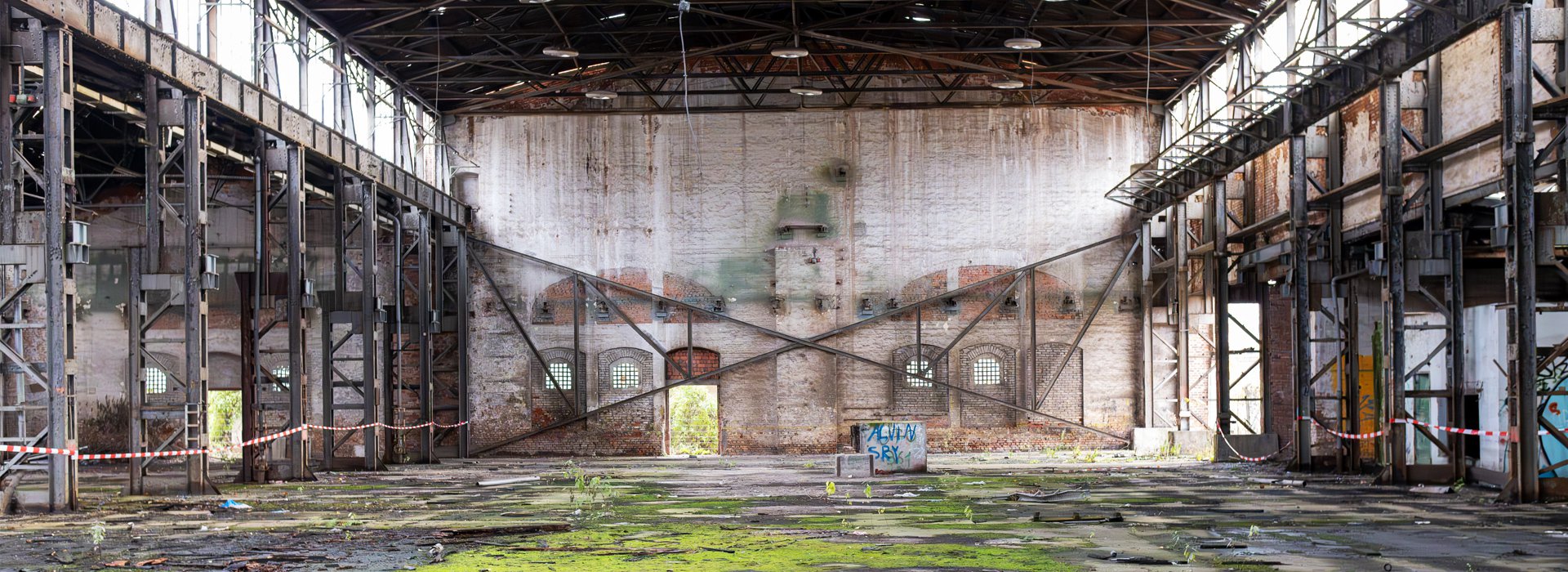
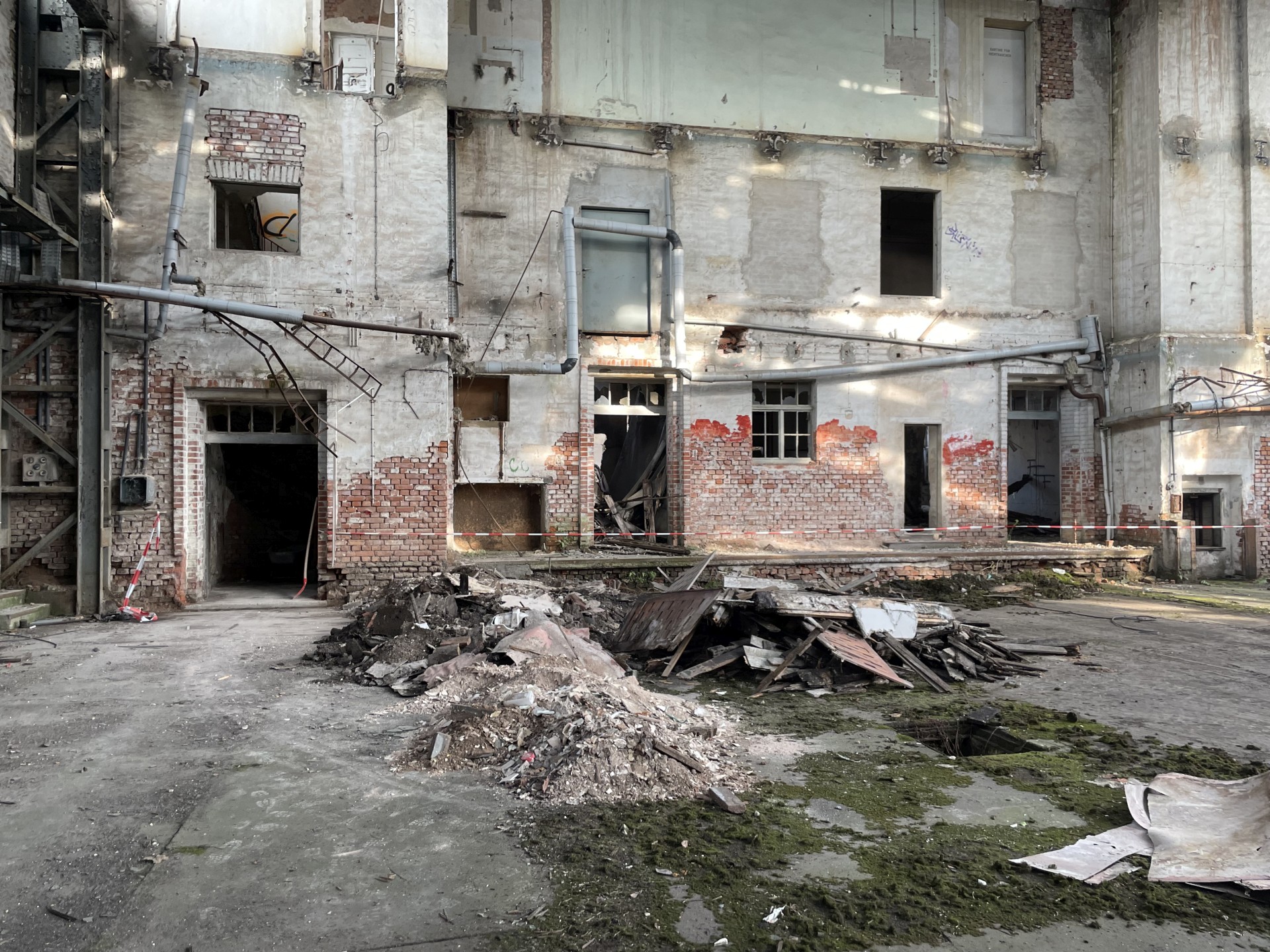
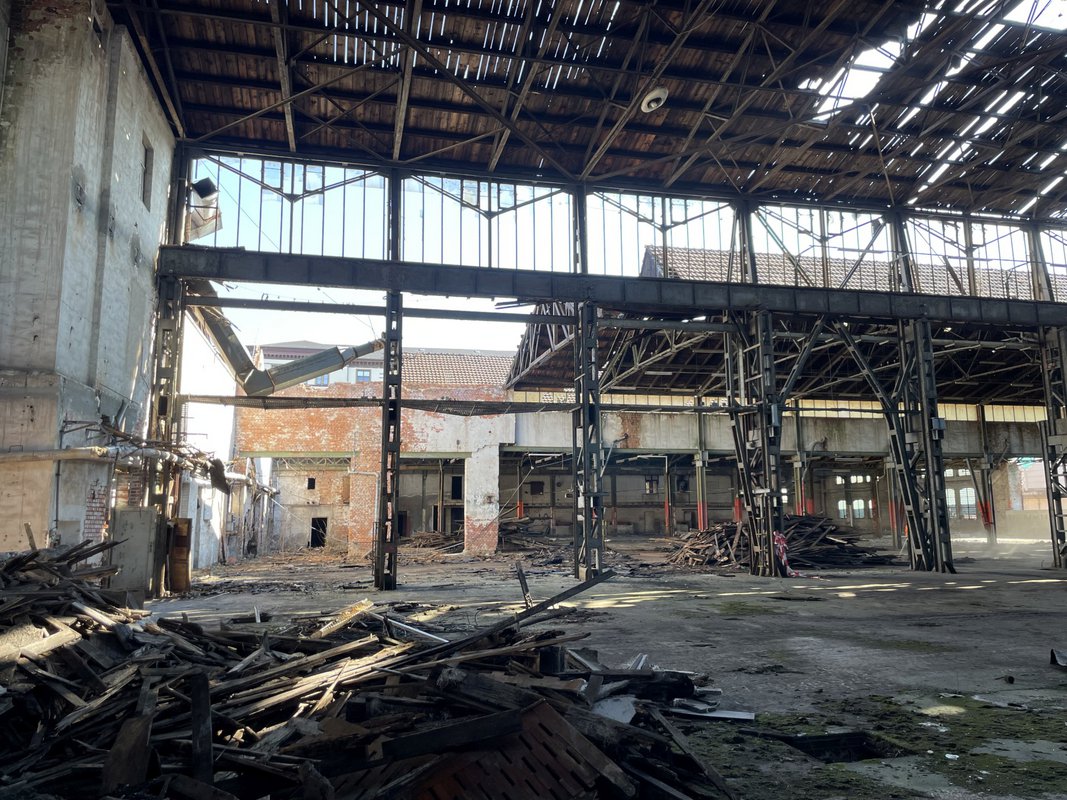
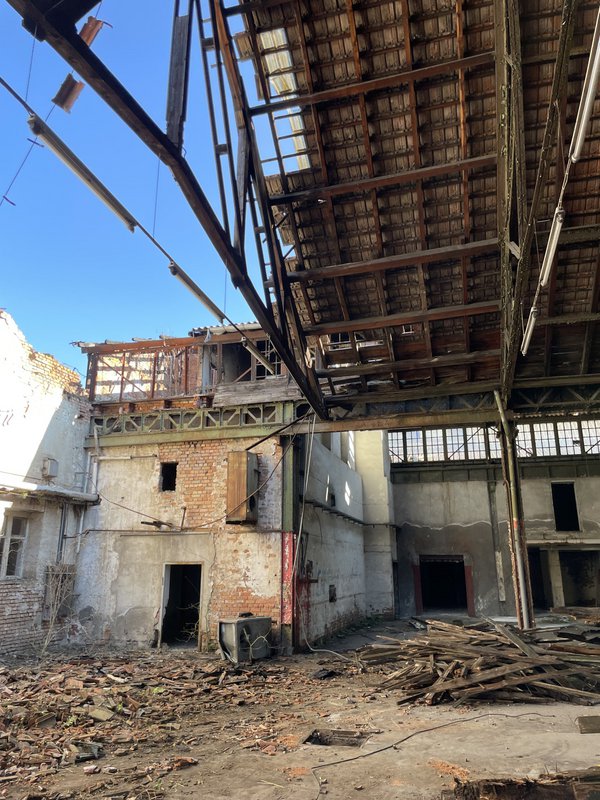
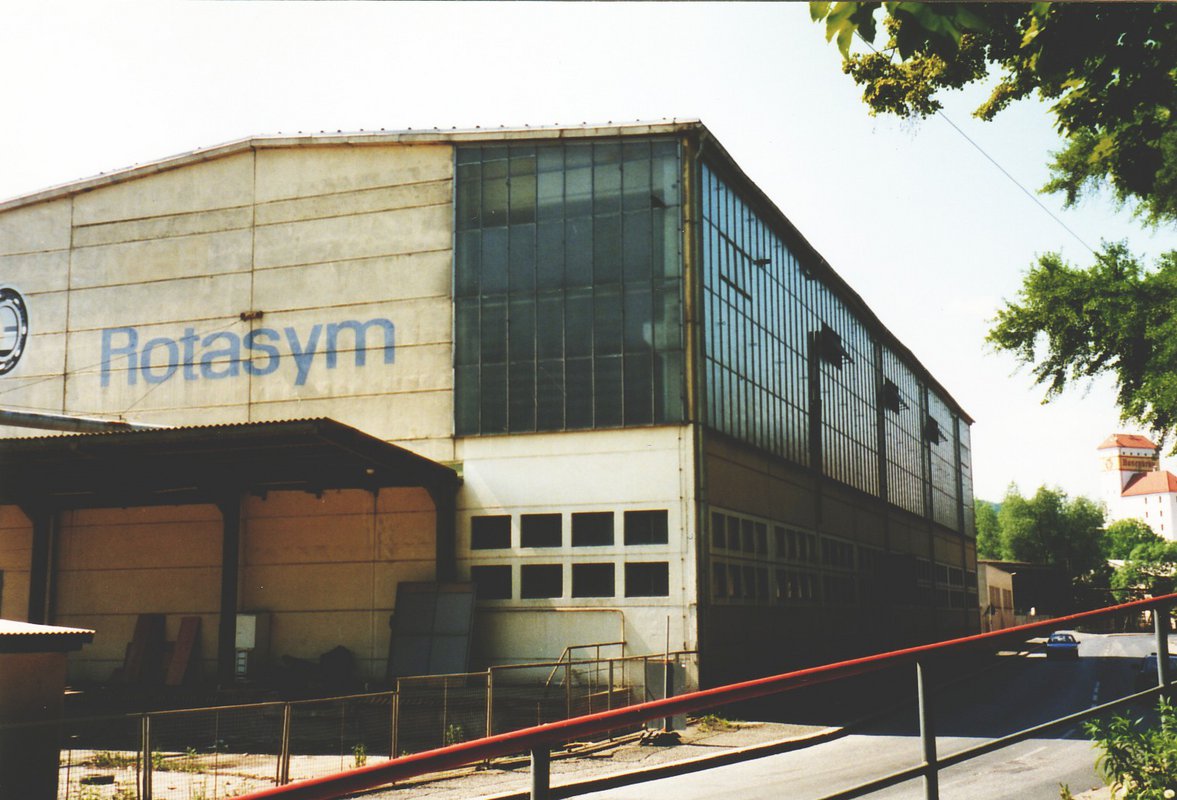
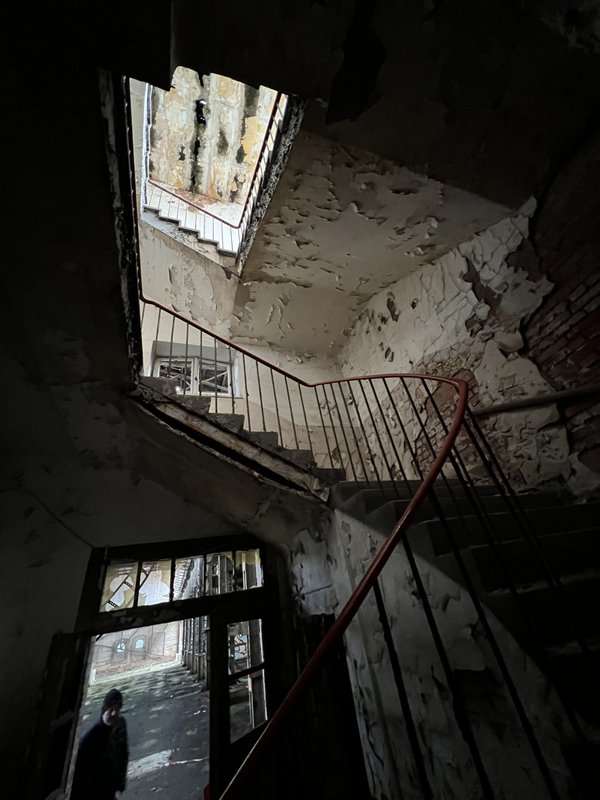
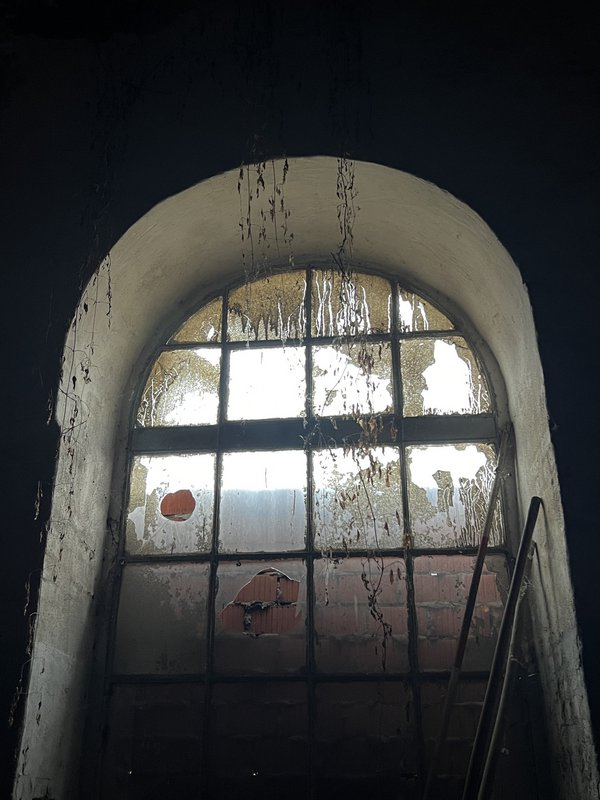
Everything so beautifully old here, but: Can't the old factory hall be saved?
Counteract new soil sealing with the brownfield cadastre.
As the Thuringian State Development Company, we record brownfield sites and abandoned buildings in our own cadastre. In this way, we aim to put these areas to new use and counteract the sealing of valuable green and agricultural land.
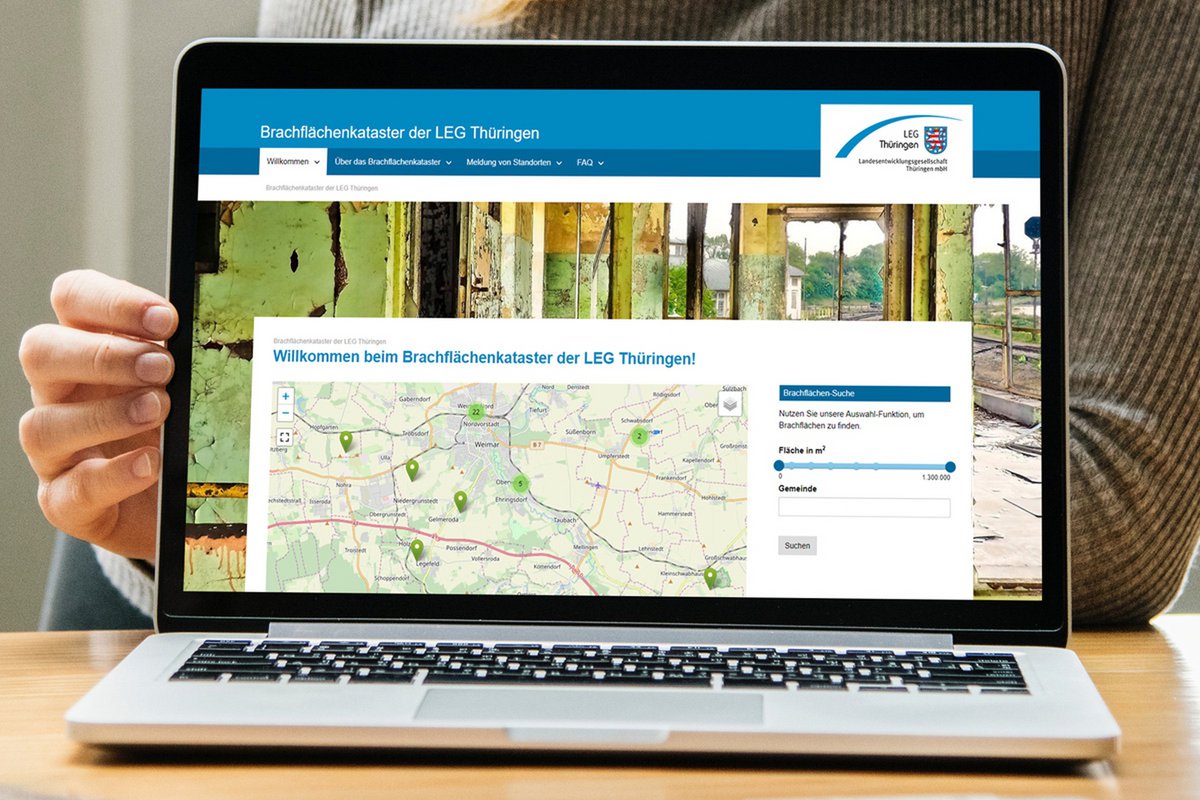
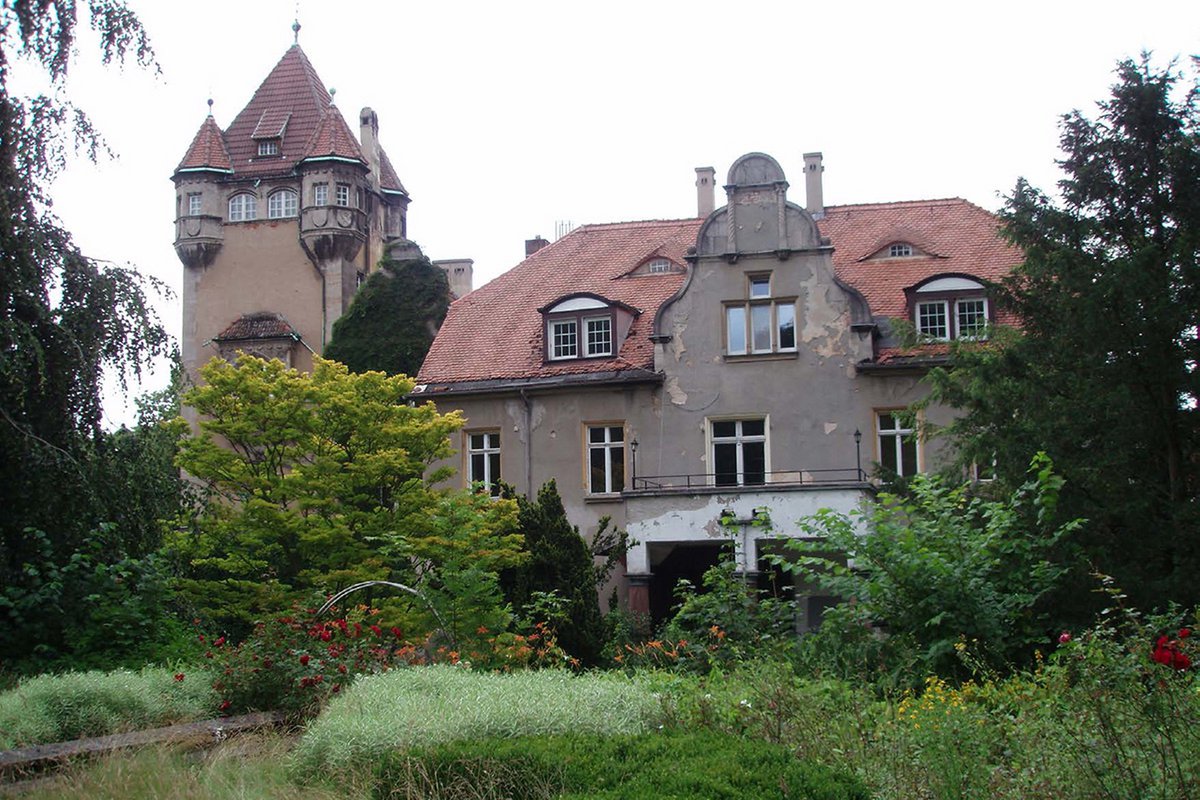
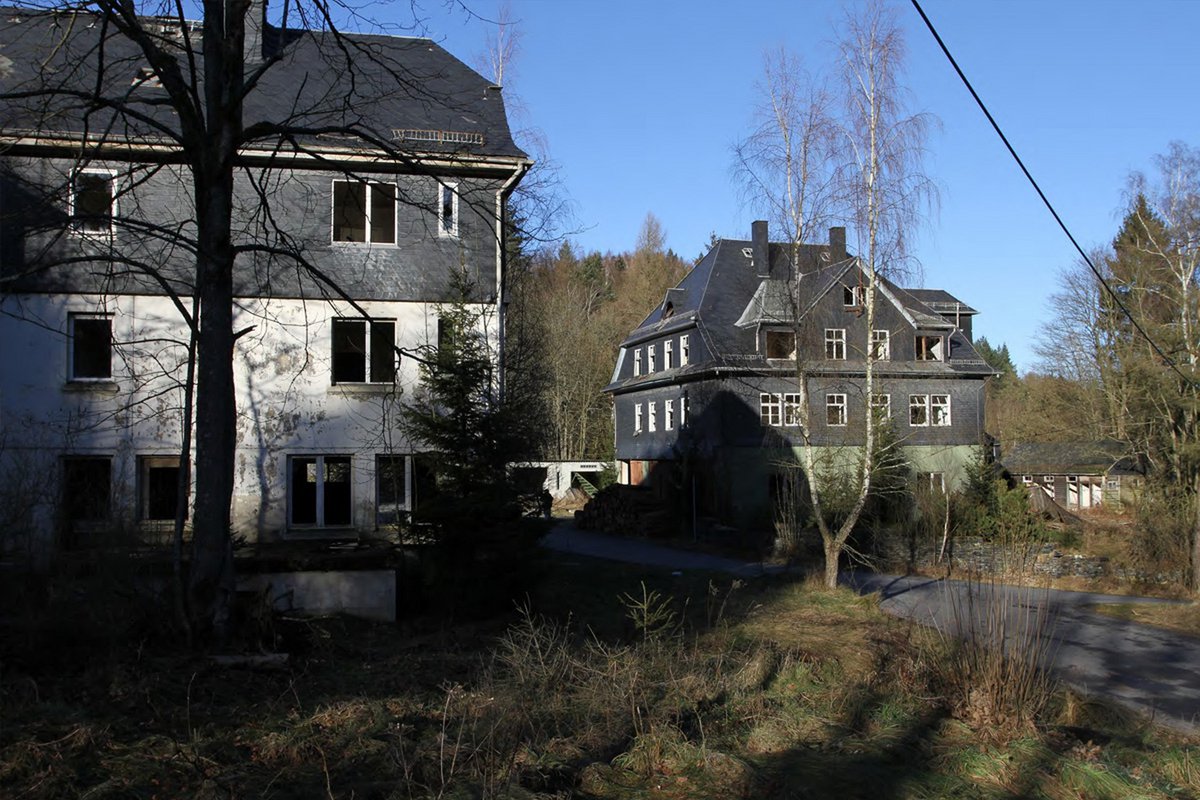
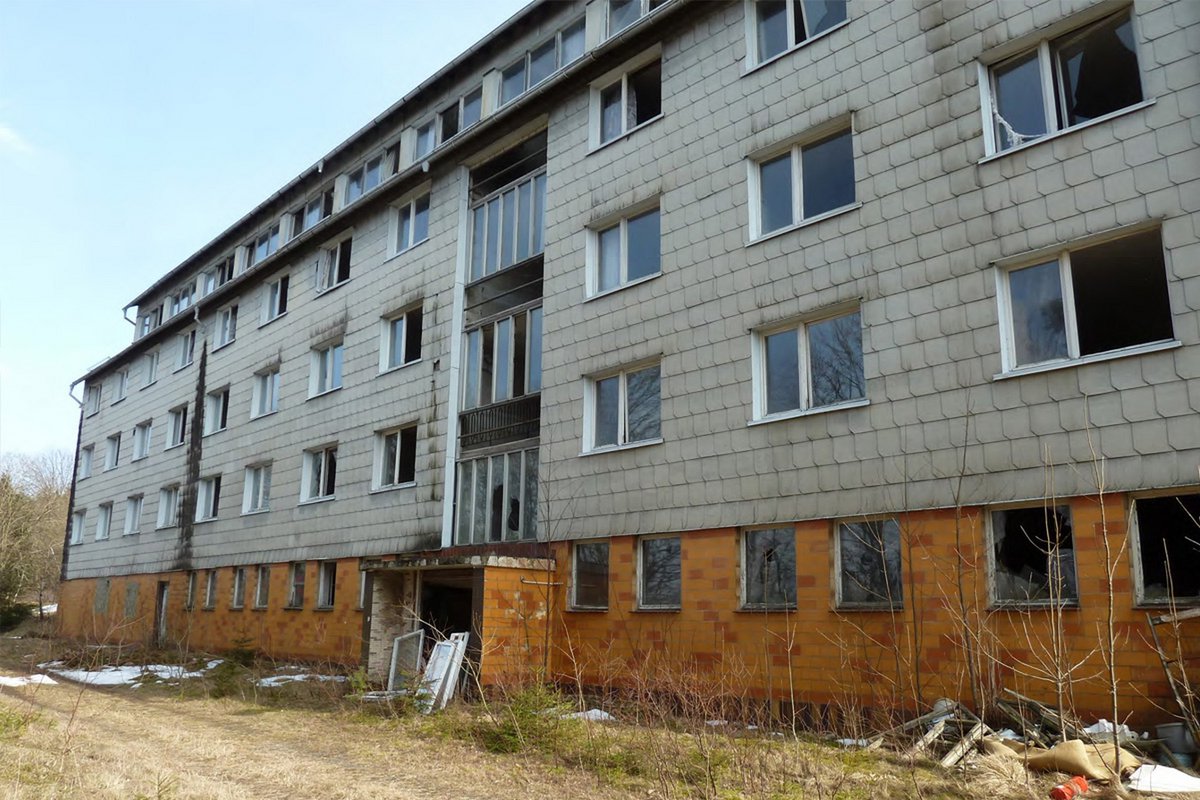
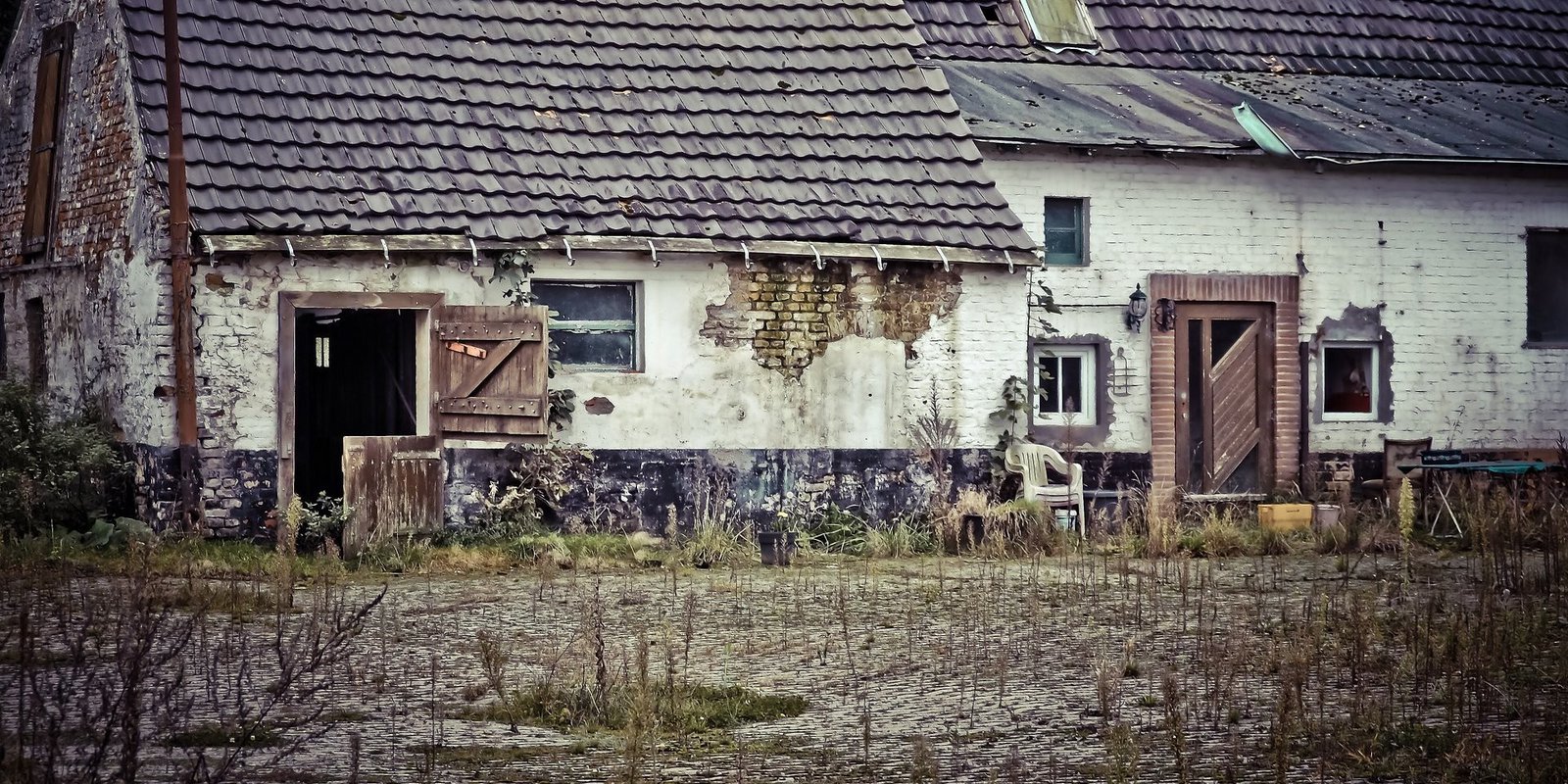
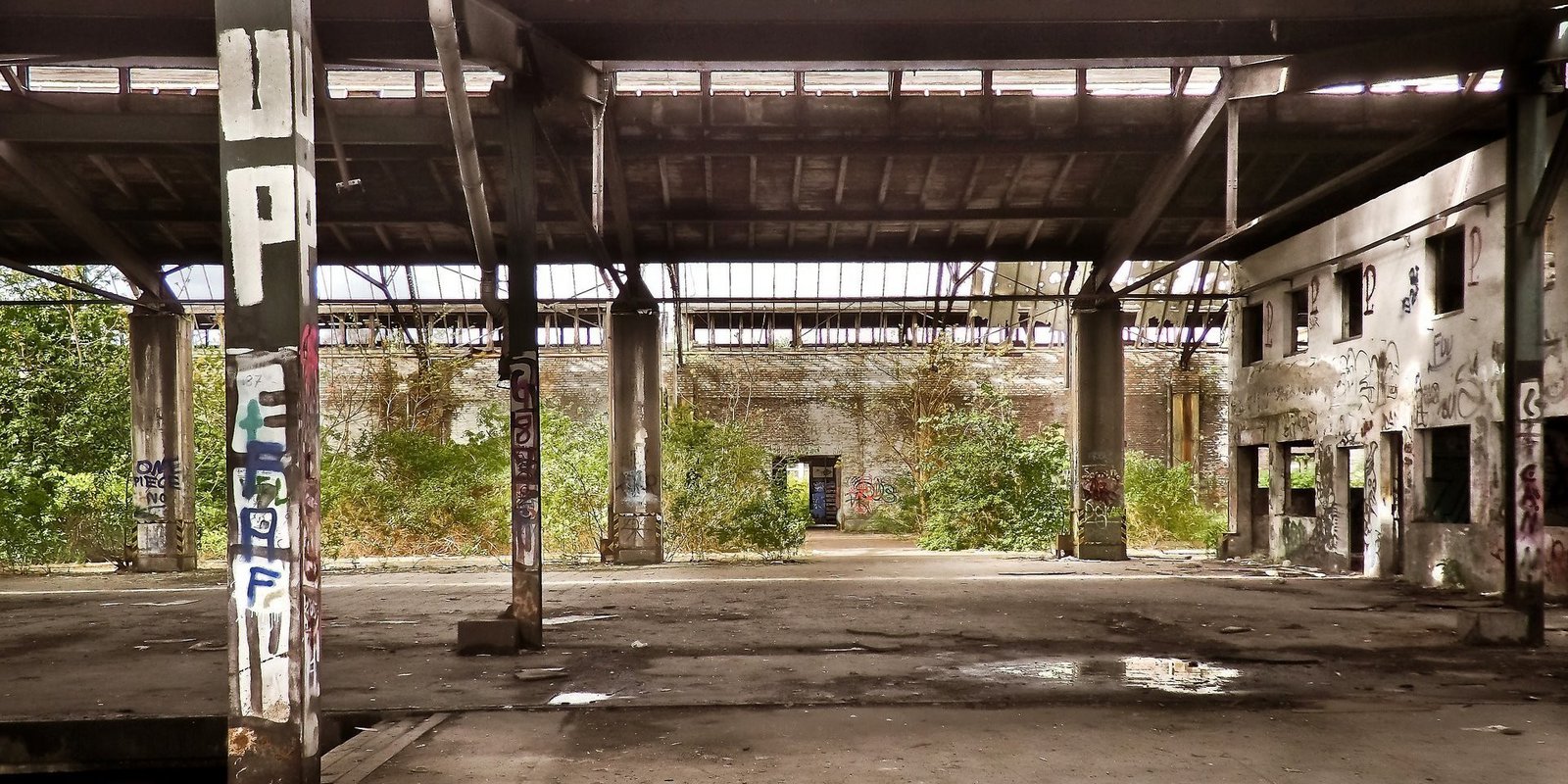
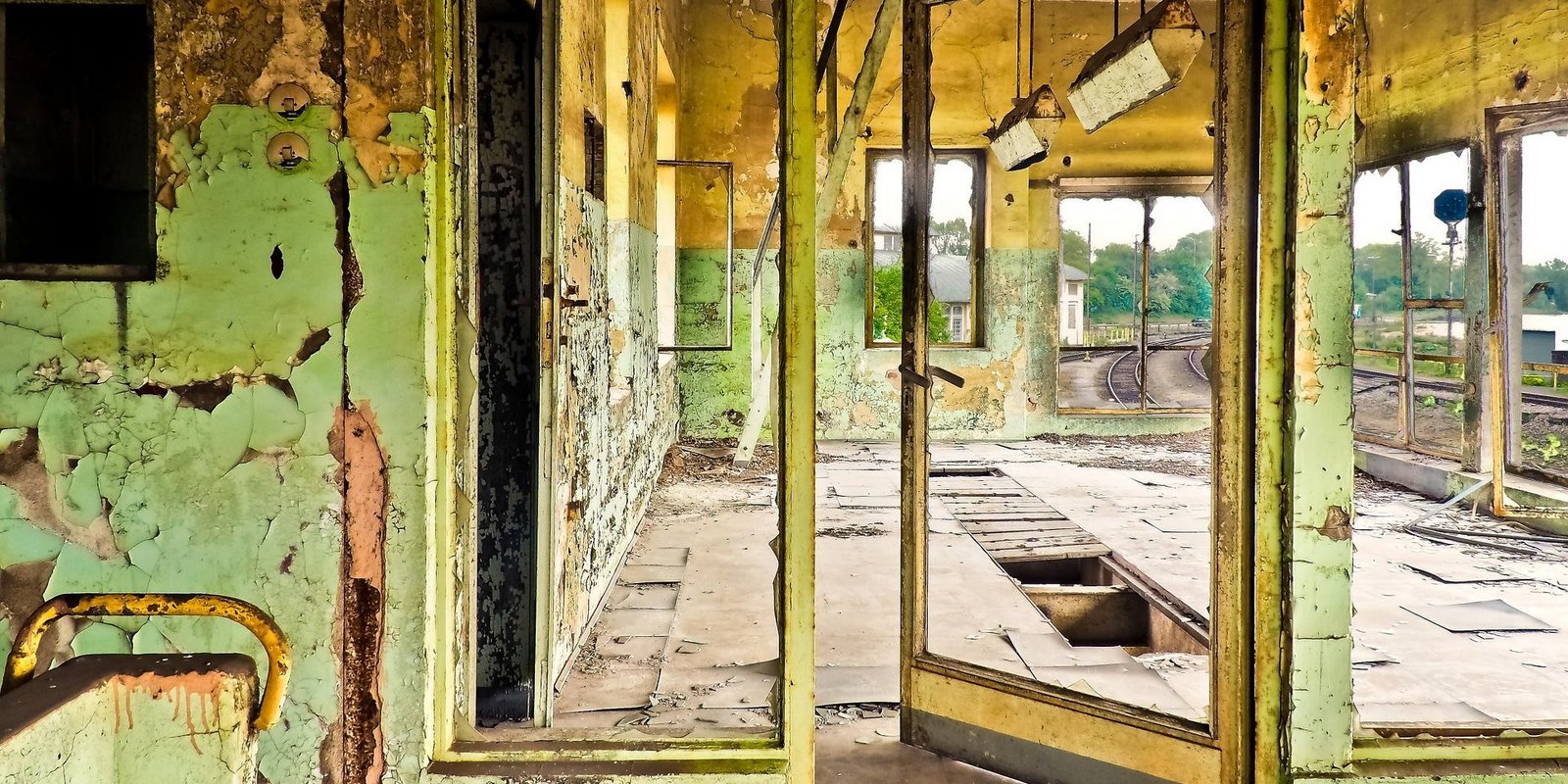
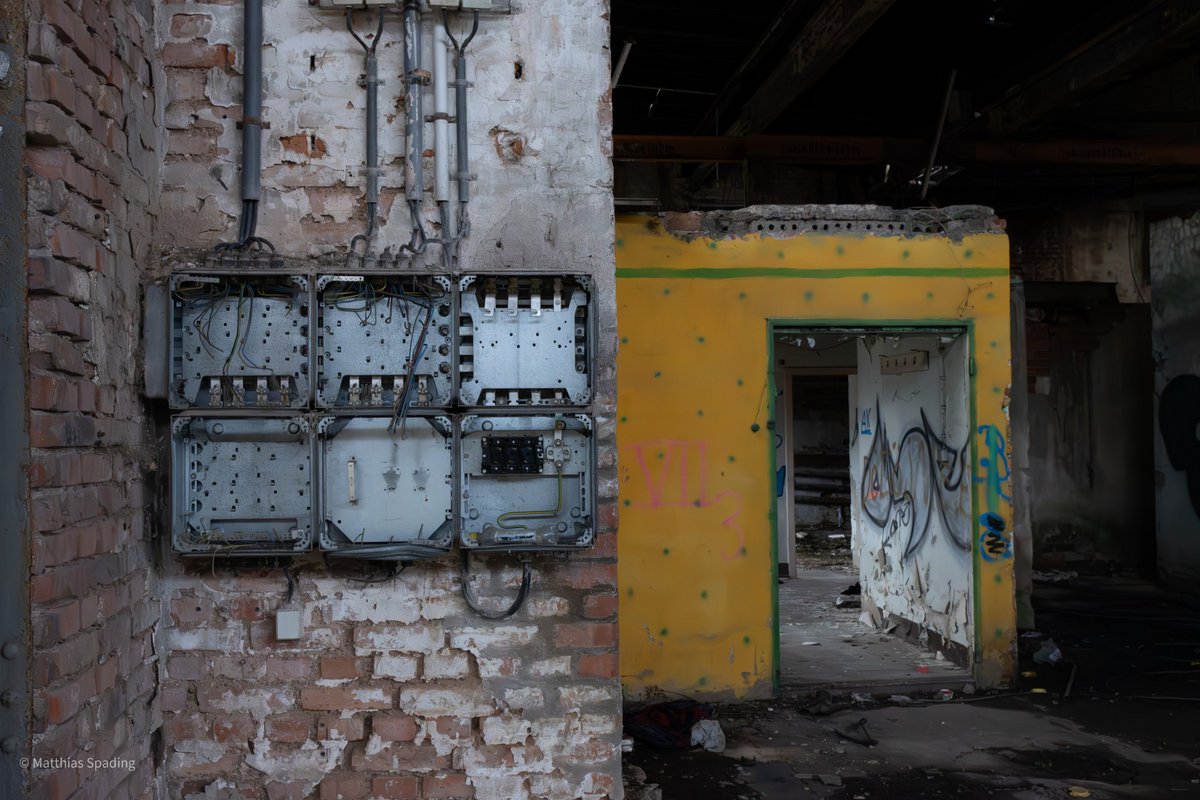
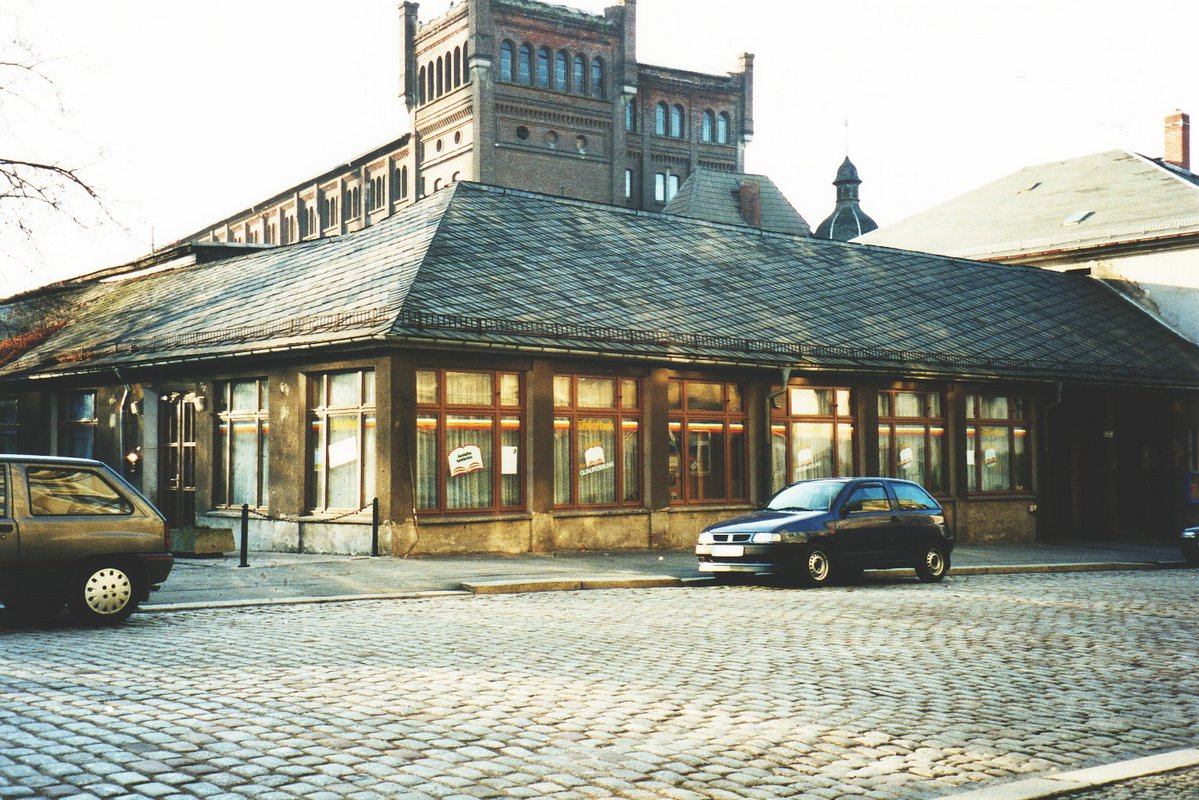
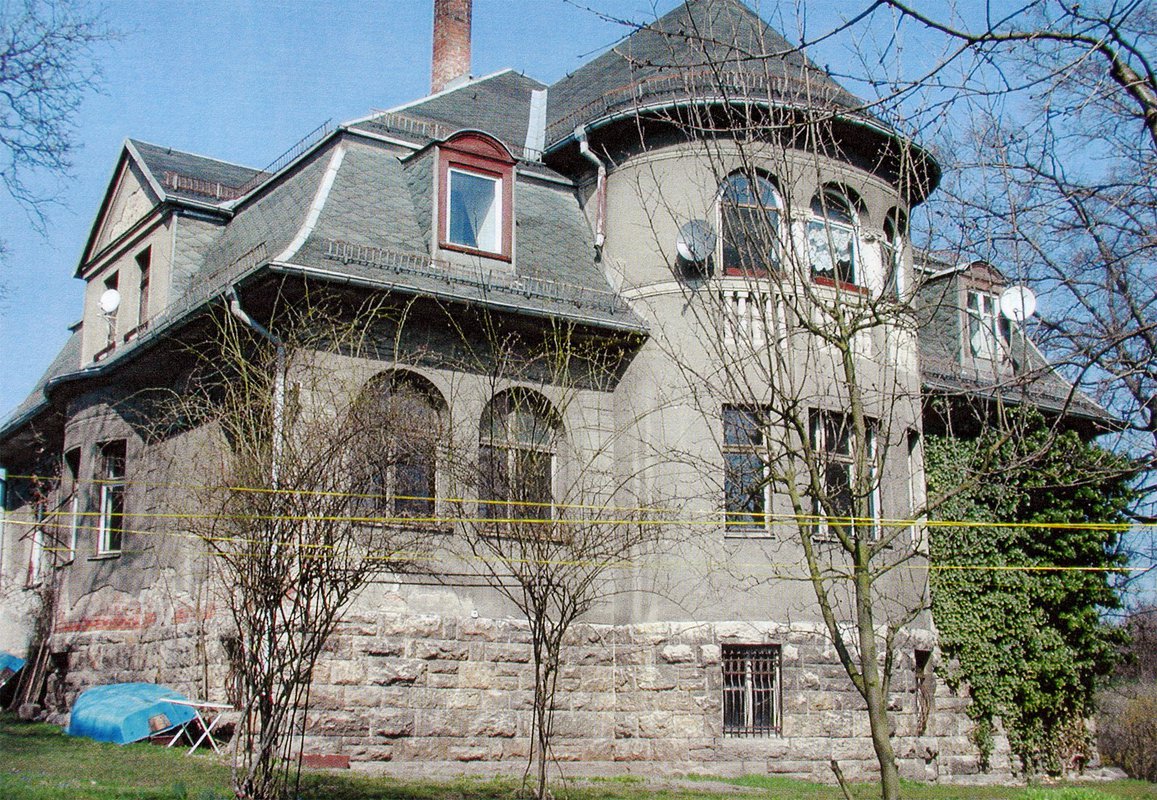
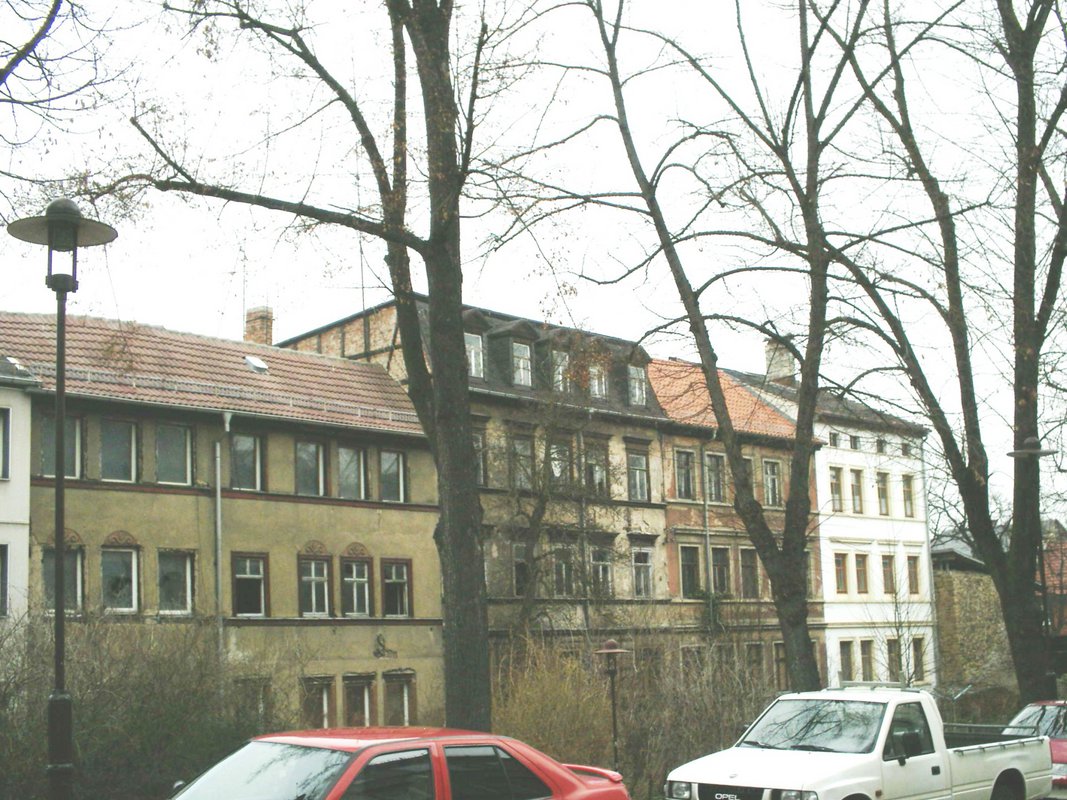
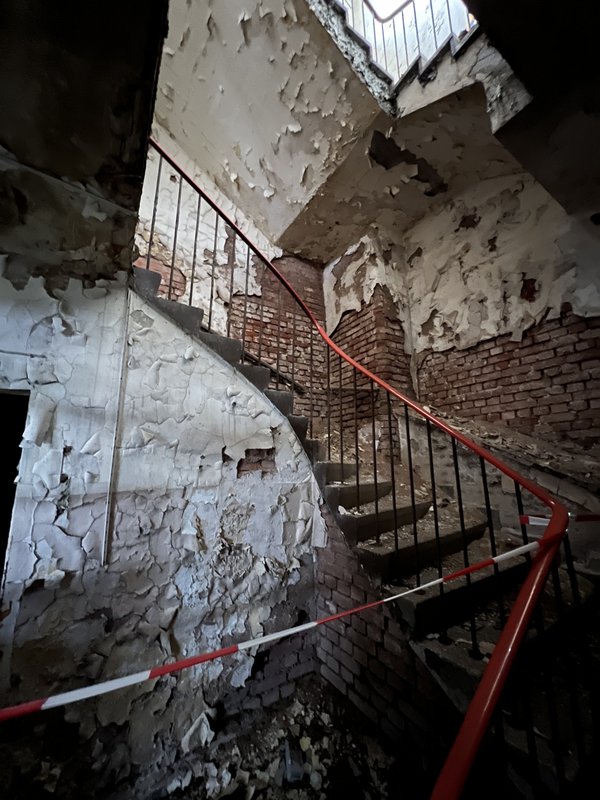
The sight of old buildings from a bygone era sets off an unstoppable flow of thoughts in us: a wild web spins of what once was and: what could be again, with the right idea, a suitable partner, and the necessary foresight. Since December 2004, we have been recording abandoned buildings and fallow areas in our brownfield register, for which no one feels (any longer) responsible. Since 2017, this register has been available online based on GIS.
A Pool for Fallow Land
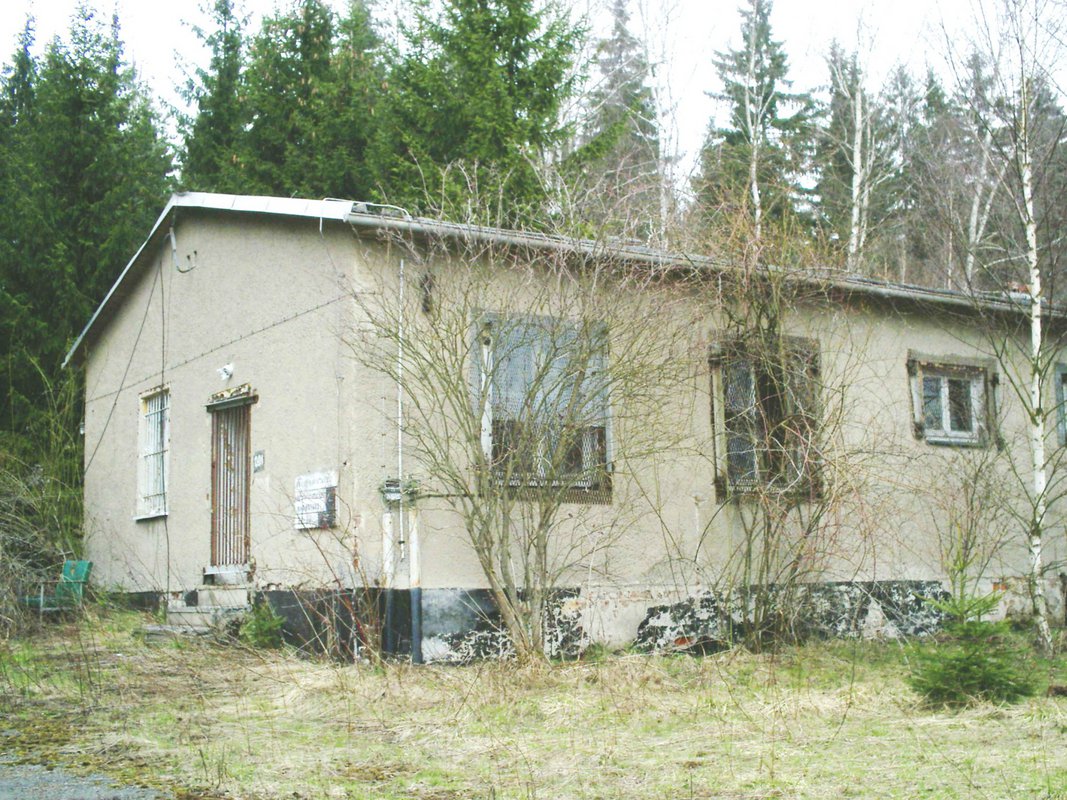
Because there are many old, unused, or derelict areas in Thuringia, the idea arose to record them in an interactive database on behalf of the state of Thuringia. This not only captures area potential but also (re)initiates processes that make their reuse tangible. The brownfield cadastre primarily records areas of at least 3,000 square meters that are fully or partially built on or sealed, and that contain existing building fabric with visually recognizable deficiencies. Furthermore, the database lists objects that have not been used for an extended period, are only used to a subordinate extent, or for which there is no concrete reuse idea yet. Among the currently approximately 1,200 entries are, among others, old industrial areas, former military or agricultural facilities, and even a former agricultural airfield.
Why all the work?
It is easy to simply leave fallow land and properties to themselves and sometimes build urgently needed industrial or residential sites elsewhere. However, this is associated with increased land consumption, primarily of agricultural land. And it is precisely this consumption that we want to curb with the brownfield register.
Investors from all over the world, developers, real estate companies, and we as the state development company develop residential, industrial, and commercial areas in the Free State according to demand. In addition, the transport infrastructure in Thuringia still has gaps – the Federal Transport Infrastructure Plan 2030 alone provides for over 30 projects in the Free State, such as the construction of bypass roads. For its implementation, intervention in established natural areas is unavoidable. Each of these interventions must be compensated for by law. In order to specifically direct such measures to unused or fallow areas, knowledge of the location and size of brownfield sites is fundamental. With the brownfield site register, we thus contribute to identifying unused areas and returning them to the land cycle – so they can then be reused or renatured.
Keep your eyes open: Report brownfield sites in your area to us and thus contribute to sustainable land use. We will be happy to include them in our database after a thorough review:



Comments
no comments available
Write a comment
Author