
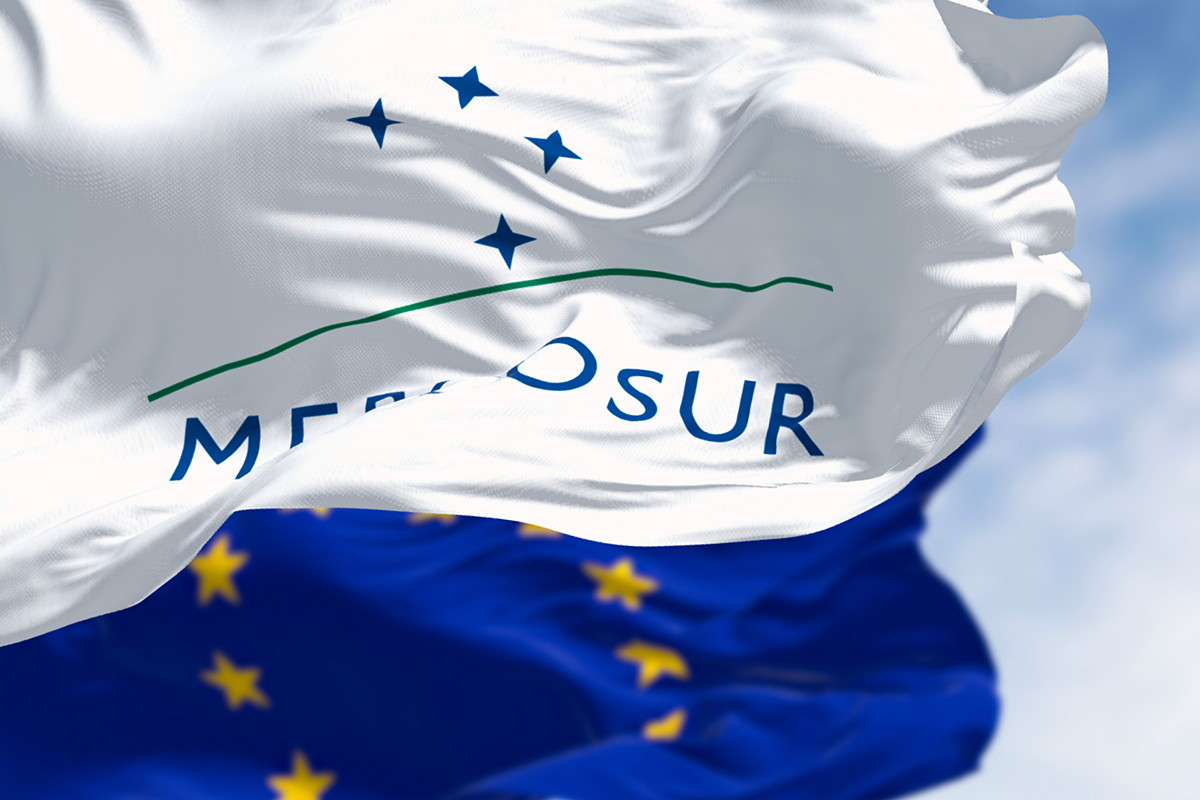
The time has come: As the EU Commission already announced in March, the new free trade agreement between the EU and the Mercosur states (Brazil, Argentina, Uruguay and Paraguay) will enter into force, at least provisionally, on May 1. This creates one of the world's largest free trade zones with a market of over 700 million consumers, giving EU companies an enormous global competitive advantage. They benefit from lower tariffs in a region where most other countries face high tariffs and other trade barriers. The agreement thus reduces the often prohibitive Mercosur tariffs on EU exports, including for important industrial goods such as cars (currently 35%), machinery (14-20%) and pharmaceuticals (up to 14%). Over 90 percent of bilaterally traded goods are to be exempt from tariffs in the long term. According to estimates by the EU Commission, the agreement will increase the EU's annual exports to Mercosur by up to 39% (EUR 49 billion), thereby securing more than 440,000 jobs across Europe. Trade with Mercosur already supports more than 600,000 jobs in the EU.
According to the Federal Ministry of Economics, the agreement is of great macroeconomic and strategic importance for Germany. It sends a sustainably positive signal against protectionist tendencies and in favor of rules-based trade policy. Around 12,500 German companies already export to Mercosur, of which almost 75% are small and medium-sized enterprises.
For Thuringian companies, Brazil is the most important Mercosur market. LEG supports Thuringian exporters in making the most effective use of the market opportunities that are currently emerging.
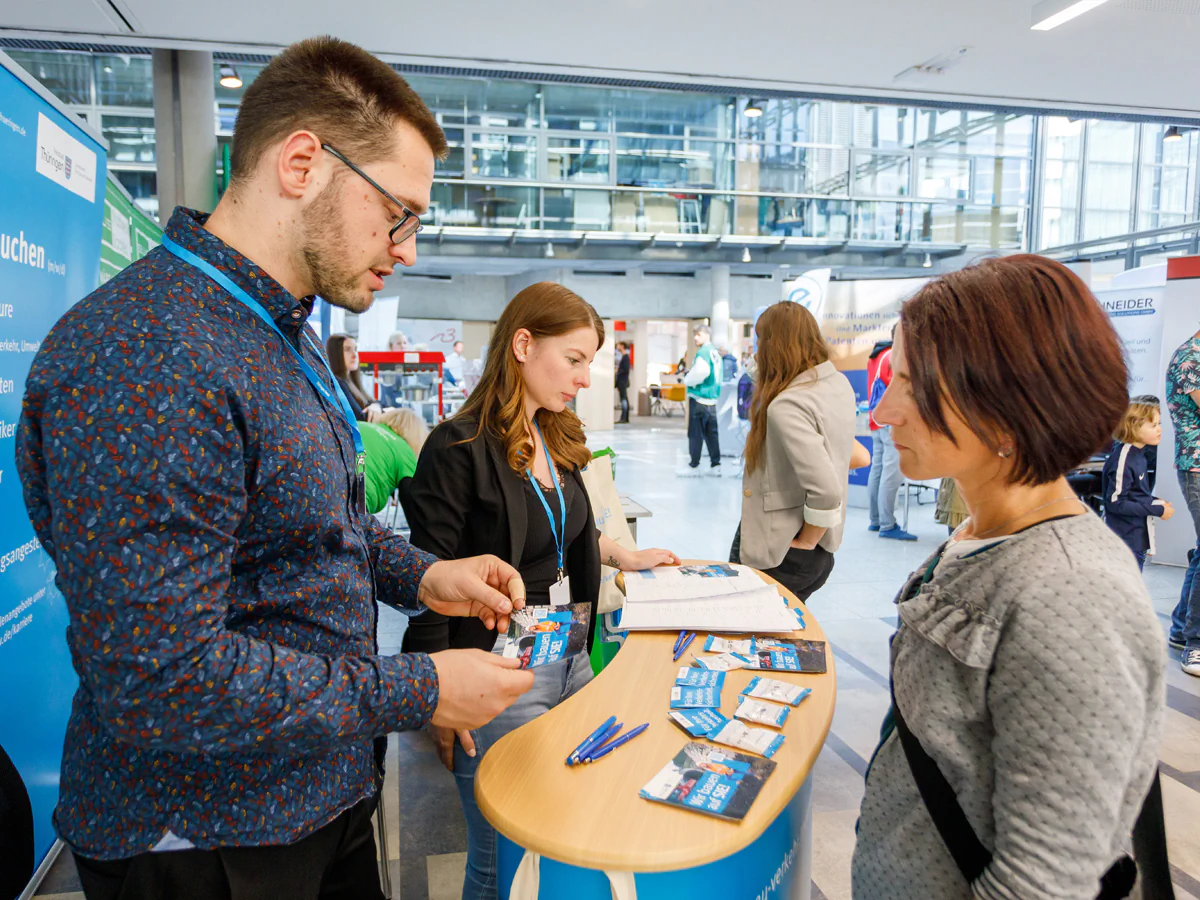
At the Hannover Messe, the Federation of German Industries (BDI) and the Brazilian industrial umbrella association organized the "42nd German-Brazilian Business Days“. Thuringia was represented here with several companies and its own stand. The high-level event was opened by German Chancellor Friedrich Merz and Brazilian President Lula da Silva and offered Thuringian companies the ideal platform to network and initiate new business partnerships. In his speech, German Chancellor Friedrich Merz described Brazil as a Key partner in an increasingly difficult world and Bridge builder among the BRICS states.
Also present was the Thuringian Commissioner for Foreign Affairs, Dietmar Sukop, who otherwise supports Thuringian companies from Porto Alegre in processing the entire Brazilian market. He is available to Thuringian companies when it comes to generating Contacte in Brazil or obtaining market information. You can find more information and the Contactinformation on our Website.
From October 31 to November 7, a Thuringian delegation led by Minister of Economic Affairs Colette Boos-John will travel to Argentina and Brazil to further strengthen relations with these markets. Specifically, the economic metropolises of Buenos Aires, Porto Alegre, and Rio de Janeiro will be visited. For further information, please refer to the Website.