
A milestone for Thuringian research: High-precision sensors from the Leibniz Institute of Photonic Technologies (Leibniz-IPHT) in Jena are part of the current IM-2 lunar mission, which launched at the end of February 2025 heading towards the Moon's south pole. The sensors are integrated into the Lunar Radiometer (LRAD), which measures extreme temperatures on the lunar surface – in the search for water ice, a potential resource for future space missions. The mission is being conducted by the US company Intuitive Machines on behalf of NASA and is part of the Commercial Lunar Payload Services (CLPS) program. A highlight: The µNova Hopper mini-lander will deliberately land in a permanently shadowed crater, where the Jena sensors will provide highly precise temperature data under extreme conditions. The sensors are based on the thermoelectric effect and utilize highly efficient compound semiconductors. They are robust against temperature fluctuations, mechanical stress, and radiation – and have already proven their worth on missions such as Rosetta, Curiosity, and InSight. With this mission, the Leibniz-IPHT underlines its role as an internationally sought-after technology partner – and as an innovation driver for Thuringia.
Sensors from Jena on their way to the moon
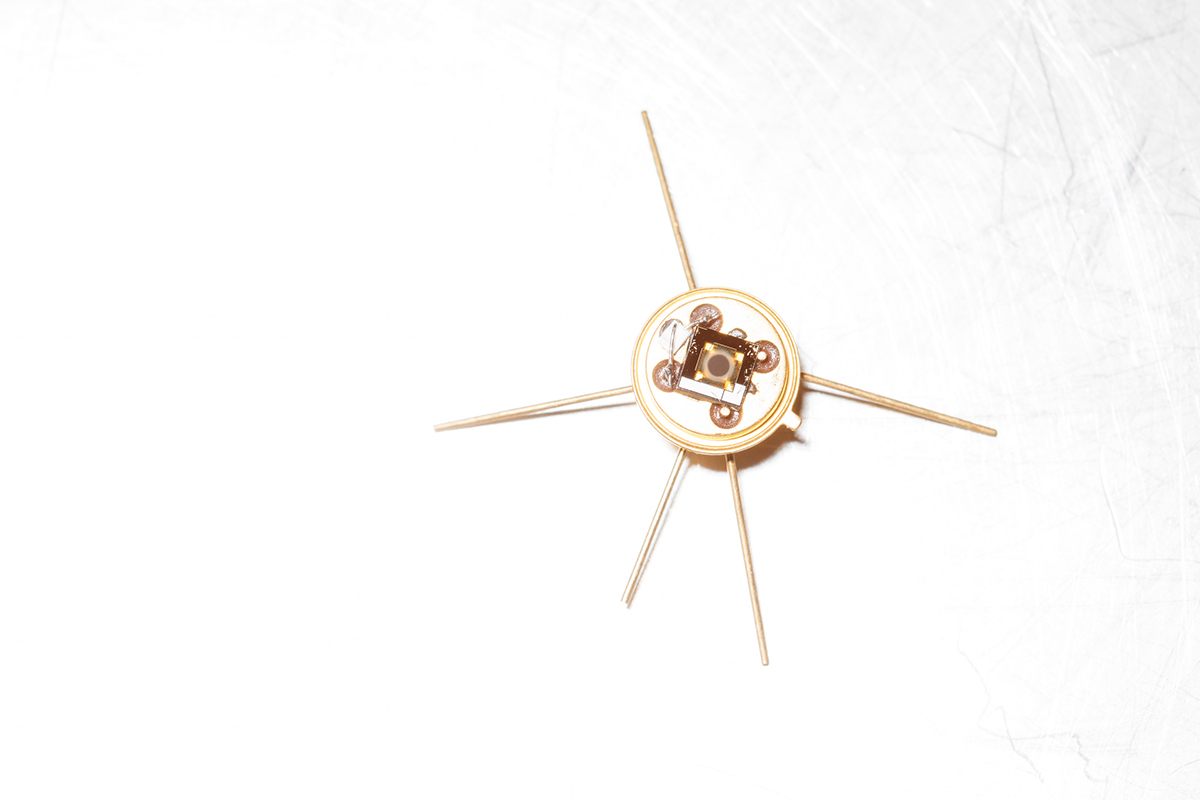
Sensors from Jena are used not only in space, but also on Earth. Image: Leibniz-IPHT
Share this article: